SpaceX IPO stymied by AI: why did "valuation guru" find the company overvalued?
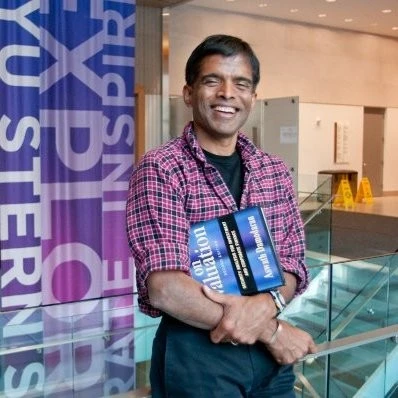
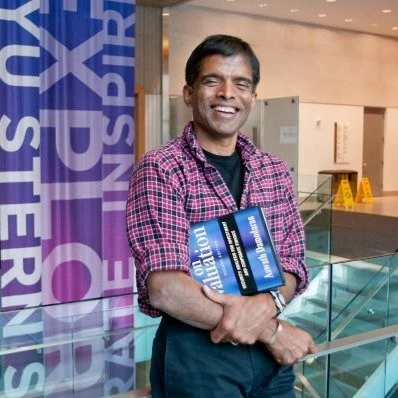
New York University professor Aswath Damodaran rated SpaceX below placement, calling the company's AI scenario too optimistic

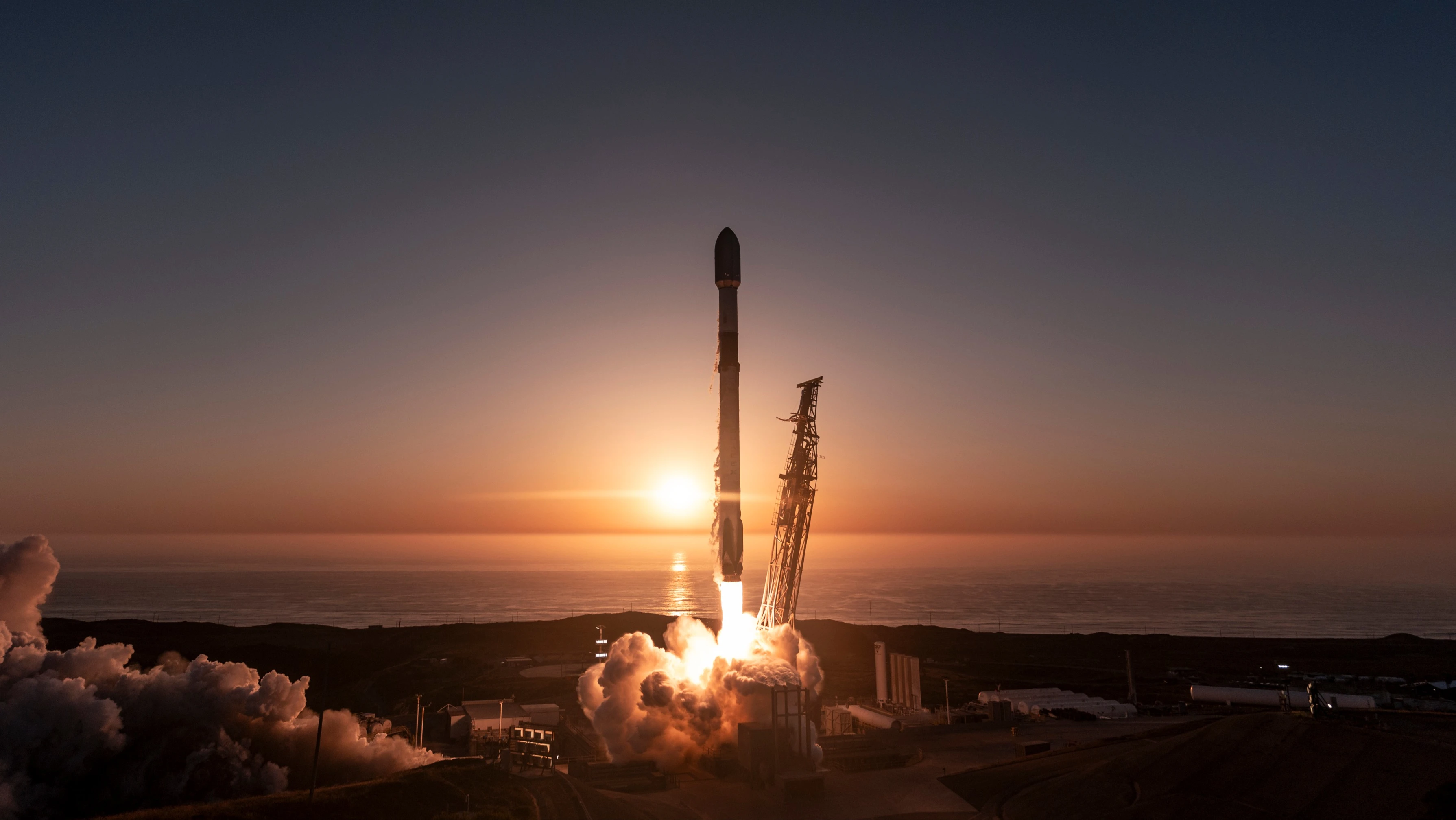
SpaceX valuation is built on over-confident expectations of artificial intelligence, says "valuation guru" / Photo: X/SpaceX
The SpaceX IPO requires investors to put too much faith in AI, says Aswath Damodaran, a professor at New York University's Stern School of Business known as the "valuation guru." He believes the company should be worth about $1.2 trillion to $1.3 trillion - below the level it is targeting. Damodaran told the WSJ podcast that SpaceX's valuation of the space launch and satellite communications market looked plausible to him, but he found the $26 trillion AI scenario too optimistic because it would require artificial intelligence to almost completely replace the workforce.
Details
SpaceX is entering the IPO as a company with three businesses at once: StarShip space launches, Starlink satellite communications and xAI. The prospectus estimates the total target market for these businesses at more than $28 trillion, with launches and communications accounting for about $2 trillion - a portion Damodaran believes is reasonable because SpaceX already has a clear pillar: rocket reuse, the lower cost of putting objects into orbit, and the scale of Starlink satellite internet, which generates $11 billion of the $18.5 billion in total revenue.
Damodaran's main doubt about SpaceX's valuation stems from AI startup xAI, which merged with SpaceX in February. SpaceX's prospectus values that direction at about $26 trillion - nearly the company's entire stated market. The IPO price requires investors to believe that the company's AI arm can grow to the scale SpaceX lays out in its prospectus. But Damodaran believes SpaceX doesn't yet have the advantage here that the company has already proven in launches and satellite communications.
"The emergence of $26 trillion from AI I don't believe in, because if that happens, we're all in trouble: it would require labor replacement on such a huge scale that we'd all be out of work, and AI would be the only employed worker in the world. So I think this $26 trillion is more of a wish than an expectation."
In a more moderate scenario, where AI remains a tool for employees, Damodaran estimates that the xAI market would be about ten times smaller than SpaceX's benchmark. In a partial replacement of employees, he estimates it at $4-5 trillion, and at replacement of about half of employees - at $12-15 trillion. For an investor, the IPO price in this case becomes a bet on the scale of change in the economy: the larger the market in SpaceX's estimate, the more AI should change employment and costs for companies.
Separately, Damodaran discusses the economics of xAI and how much the company will be able to earn from its users. AI services require fixed costs for computing, electricity, and water, so active customers quickly increase a company's costs. Covering those costs with higher prices is difficult: the more expensive access to an AI service is, the fewer companies and users will be able to use it, and thus the smaller the market SpaceX refers to in its prospectus. As a result, according to the "valuation guru", xAI remains SpaceX's furthest from profitability, and an investor in the IPO will pay for a business that has yet to prove both the scale of demand and future margins.
"$1.2 trillion is a huge number for a company that only has about $20 billion in revenue, and a loss from last year. So I'm basically making a colossal advance to the company in my calculations, trying to account for everything it can do. And it really is an engineering marvel. Even more so than in the case of Tesla. I look at SpaceX and I realize: it's an amazing success to do something that before they entered the industry all experts in one voice called impossible. This is a great business, a unique technological project, but even the most magnificent company in the world can be beyond the investor's means because of its prohibitive price".
Context
The SpaceX IPO final pricing is expected to take place on June 11. The company plans to place shares at $135 per paper. Based on this price, the volume of placement will be about $75 billion, and the valuation of SpaceX will exceed $1.75 trillion. The start of trading in the company's shares on Nasdaq is scheduled for Friday, June 12.
Last year, SpaceX revenue grew by 33% to $18.7 billion. Net loss amounted to $4.94 billion after a profit of $791 million a year earlier. Capital expenditures increased by 85% to $20.7 bln. The company attributed the growth in expenses to the Starship reusable rocket project, the expansion of the Starlink network and investments in artificial intelligence.
This article was AI-translated and verified by a human editor