SpaceX won't enter S&P 500 immediately after IPO: ISP refused to change rules
S&P provider Dow Jones Indices refused to accept exemptions to the rules ahead of mega-capitalized startups going public

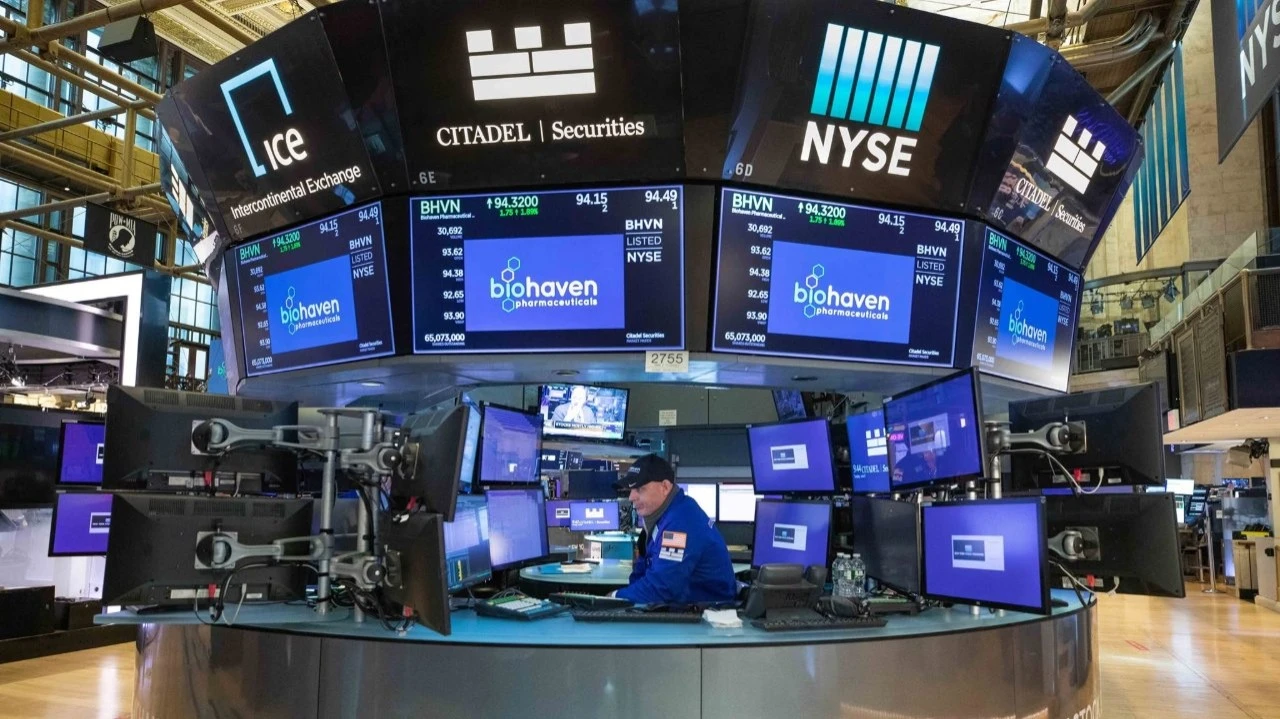
S&P's position becomes especially relevant against the backdrop of the activity of technology giants planning to enter the public market. Photo: Walter Cicchetti / Shutterstock
Stock index provider S&P Dow Jones Indices will retain its current rules for selecting companies to its main indexes, including one of the major U.S. benchmarks, the S&P 500, ahead of major IPOs, including before Elon Musk's SpaceX goes public. In a press release, the provider said it rejected proposals that would have allowed giants like SpaceX to get into major stock indexes more quickly immediately after listing.
Details
S&P Dow Jones Indices said it will not waive, even for the biggest players, the condition that new issuers' securities must have been traded on the exchange for at least 12 months to be included in the S&P 500. The index provider will also not make exceptions to its requirements regarding the number of shares in free float and certain financial metrics that companies must demonstrate to be in the S&P 500.
The Provider emphasized that "exemptions to the financial strength rules should not be granted solely on the basis of high market capitalization." Under current rules, to qualify for inclusion in the S&P 500, an issuer must demonstrate net income under U.S. generally accepted accounting standards (GAAP) both in the last reported quarter before inclusion in the index and cumulatively for the four most recent quarters before that, as well as have a free float ratio (IWF - a measure that takes into account only those shares that are actually available for trading on the market - less the holdings of strategic shareholders, insiders, the government, and so on) of at least 0.10.
Why it matters to SpaceX
Thus, SpaceX, which is preparing to raise $75 billion and is targeting a valuation of $1.75 trillion (which would put it in the top 10 expensive U.S. companies), will not be able to qualify for inclusion in the S&P 500 for at least a year after listing, Reuters emphasizes. The company recorded a net loss of $4.94 billion for 2025, despite revenue growth of 33% to $18.67 billion.
If the S&P 500 provider made concessions, passive funds that follow the index's performance and manage trillions of dollars in assets would be legally obligated to start buying SpaceX stock en masse. According to B. Riley Wealth Art Hogan, the ISP's decision protects the reputation of the S&P 500: "Making exceptions just because companies are huge and have been non-public for a long time while being unprofitable didn't make a lot of sense" (quoted by Reuters).
S&P Dow Jones Indices' parent company, S&P Global, has offered a compromise: the "quick entry" rules will be adjusted for its broader S&P Total Market Index and Dow Jones U.S. Total Stock Market Index indicators - they track virtually the entire U.S. stock market (about 4,000 companies) and, unlike the S&P 500, do not require issuers to demonstrate clear financial results (e.g., mandatory GAAP profitability). This opens the way for SpaceX to enter these indicators, but they receive much less attention from large investors, explains Reuters.
Position of other providers
By making such a decision with regard to the current rules of circulation of companies on the exchange, S&P Dow Jones Indices went against the market-wide trend, which has already been supported by its main competitors, emphasizes Bloomberg. The Nasdaq platform has adjusted regulations that will allow SpaceX to enter the Nasdaq 100 technology index in 15 trading days after listing - previously the limit was three months. FTSE provider Russell has taken a similar step, reducing the waiting period to a record five days. "I am genuinely surprised. But the S&P is the market leader and they can afford to go against the trend," notes Bloomberg Intelligence ETF analyst James Seyffarth.
Context
SpaceX placement, as a result of which Musk's company may be valued at $1.75 trillion, may become a record in the history of the global stock market. The company is preparing for listing as early as June 12.
SpaceX is not the only major issuer that is going to go public in 2026. At least two major players from the artificial intelligence sector are also preparing for a public offering. In particular, the developer of chatbot ChatGPT, OpenAI (valued by investors on the non-public market at $852 billion). In turn, the valuation of the startup Anthropic, which creates Claude's AI models, reached $965 bln in preparation for its IPO in late Ma.
Bank of America analysts have already issued a warning about this wave of technological offerings. According to the investment bank's estimates, the simultaneous entry of several technology companies of such scale to the stock exchange will provoke a sharp increase in the supply of securities. BofA experts emphasize that the large-scale inflow of new shares risks pulling away significant amounts of market liquidity, putting long-term pressure on the quotations of the high-tech sector and, in an unfavorable scenario, becoming a trigger for the end of the multi-year bullish trend in the market.
This article was AI-translated and verified by a human editor