$3500 per ounce: why do Citi analysts expect gold prices to collapse another 20%?

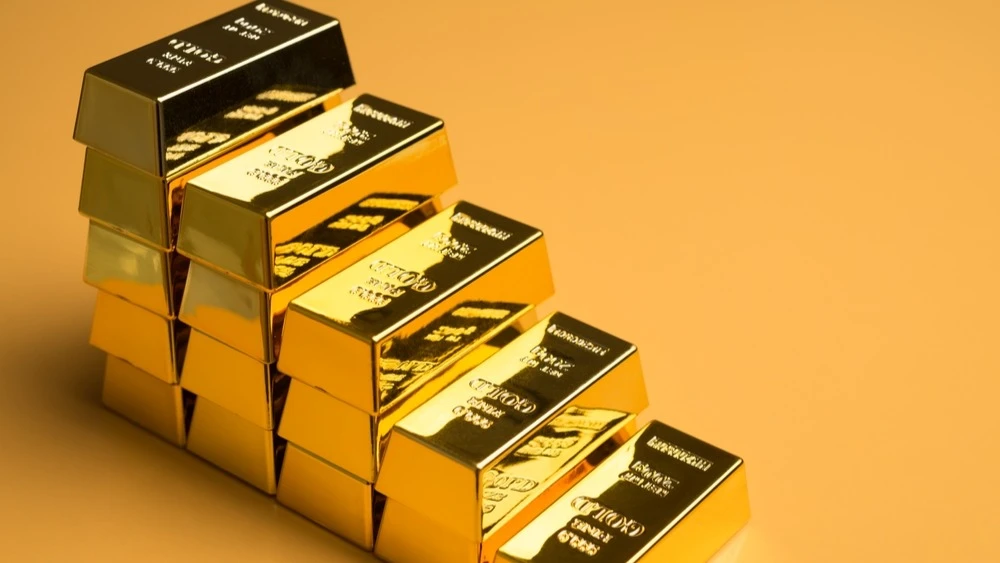
Citi expects gold prices to fall by another 20% due to the situation in the Middle East / Photo: Pla2na / Shutterstock
Citi analysts predict that gold could fall by another 20% - to $3500 per ounce, if the Strait of Hormuz remains closed until the end of summer, writes CNBC. As of Tuesday, June 9, the precious metal has already lost about 22% from its all-time high of $5594.82 per ounce set on January 29. According to analysts, this means that the asset, which has traditionally been considered a major safe haven during periods of market turbulence, looks "incredibly high-risk" in the short term.
Details
Citi noted that if the critical sea route, through which before the war in the Middle East passed a fifth of the world's oil supplies and a significant amount of LNG, in fact, will remain closed during the summer months, the rising energy prices and changes in demand from central banks will affect, including on precious metals quotations. In particular, against this background, global purchases of gold may decline, and prices for precious metal - to return to the levels of nine months ago, that is, in the area of $ 3500 per ounce, analysts believe. As a result, Citi lowered its three-month target level for gold prices from $4300 to $4000 per ounce. This estimate implies a 7.6% drop in gold prices relative to the last close.
"The skew of risks in the short term looks negative, and buying on downturns here makes sense only with strong confidence in the absence of a new round of escalation [of the conflict in the Middle East]", - noted analysts of Citi. In the longer term, however, they maintained a bullish view on gold. "But in the near term [investing in this precious metal] is an extremely high risk for anyone who does not have very wide stop-losses and long-term investment horizons," CNBC quotes experts.
Most of the factors affecting gold right now are related to the impasse over the Strait of Hormuz and high energy prices, according to Citi. These, according to their data, include: "high inflation-adjusted interest rates, a strong dollar and [a possible] decline in investor activity due to changing central bank rhetoric." "When the situation in the Strait of Hormuz eventually de-escalates and energy costs go down, the pressure on gold will ease and prices are likely to bottom out," the experts added.
On Tuesday, June 9, spot gold prices are losing a symbolic 0.07% - the precious metal is trading at $4327 per ounce.
Context
Gold has fallen 5.6% since the war in the Middle East began on February 28. The U.S. labor market data published last week, which turned out to be stronger than forecasts, strengthened expectations of an interest rate hike in the United States by the end of the year. This put additional pressure on quotes of the precious metal, as the prospect of rising interest rates traditionally has a negative impact on the value of assets that do not generate interest income, the channel explains.
This article was AI-translated and verified by a human editor