A commodity supercycle is looming in the market. How to make money with the Generous Seven?
Market veteran Jeff Curry believes the world is in the early stages of a commodities supercycle that could last another 10-12 years

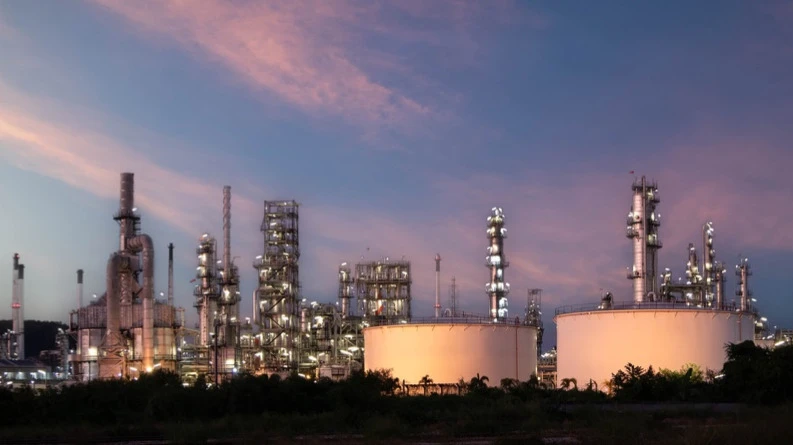
Wall Street veteran advised to buy energy stocks / Photo: Rangsarit Chaiyakun/ Shutterstock.com
Large-scale construction of infrastructure for artificial intelligence faces chronic underinvestment in energy and raw materials capacity, according to veteran market strategist Jeff Curry. In his view, this suggests the world is in the early stages of a commodity supercycle that could last another decade or more, Bloomberg writes.
One way to play energy demand is to buy shares of the so-called Munificent Seven - the "Generous Seven," Curry said, thus playing off the name of the technology Magnificent Seven. His group includes ExxonMobil, Chevron, ConocoPhillips, Shell, TotalEnergies, BP and Equinor.
Curry spent more than 20 years at Goldman Sachs Group, then was chief energy strategist at Carlyle Group, where he remains a senior advisor.
The energy sector, Curry said, represents "the biggest asymmetric trade in modern finance" because oil companies yield 15.5% free cash flow, while hyperscalers don't. Even with the supply shock from the blockage of the Strait of Hormuz, the supercycle could continue for another 10 to 12 years, he said on Bloomberg Television's Surveillance program on Ma. 19. Curry drew parallels with recent history: from the 1990s to the early 2000s, technology led the market, then energy until about 2014, after which technology took the lead again but now has huge demand for power and raw materials.
The current deficit between supply and demand in the oil market is leading to a drawdown in inventories during the weakest seasonal demand period of the year, Bloomberg writes. Despite rising oil prices, the system is not yet showing signs of stress, Curry noted. When inventories are exhausted, prices will have to go higher to reduce demand to the level of available supply. That would repeat the 2020-2021 dynamic, he said, when inflation was first thought to be temporary before accelerating to its highest since 1981.
Brent oil has risen in price by more than 80% since the beginning of the year, but Curry believes there is more pain ahead. He points out that current oil prices are well above long-term futures prices, which means the market is still underestimating how expensive it could become to produce and supply oil in the future. Critical shortages for certain products will become apparent in the coming weeks as inventories are depleted and prices begin to move "non-linearly," Curry said. Jet fuel stocks are already at critical levels globally, Europe faces serious diesel and fuel problems by the end of the month, and in the U.S. gasoline restrictions will become apparent by July, he said. Motor oil inventories in the US are particularly critical, while sulfuric acid shortages have already pushed copper to all-time highs as the chemical is essential for copper production.
"Every politician, macroeconomic forecaster, central banker, technology promoter is now telling you there is no problem," Curry said. - Every commodity company CEO, anyone who works with their hands is telling you there is a problem.
This article was AI-translated and verified by a human editor