A new era of "military" AI: How the Pentagon and Anthropic conflict will change the stock market

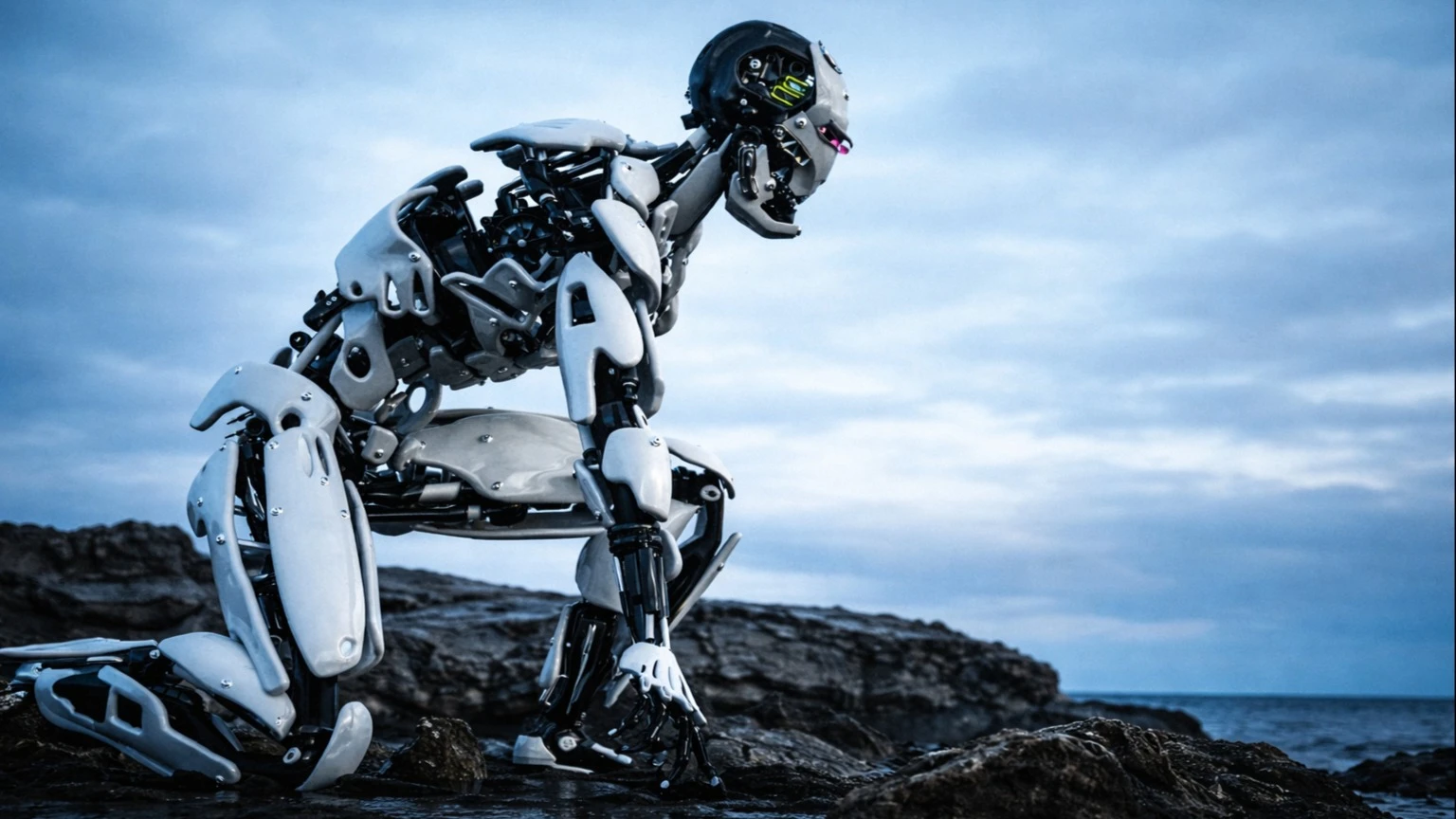
If Anthropic does not voluntarily give the Pentagon full access to its model, Defense Secretary Pete Hegseth will invoke the Defense Production Act, which could force Dario Amodei to grant the military unrestricted use of its facilities on national security grounds - BBC source. / Photo: Cash Macanaya / Unsplash.com
U.S. Defense Secretary Pete Hegseth has given Anthropic CEO Dario Amodei until Friday evening to give the military unfettered access to his model, Axios sources said. "The only reason we are still negotiating with these people is because we need them, and we need them right now. The problem for these guys is that they are that good," one of the sources told the publication. Investor Yevgeny Marchenko speculates in his Kubyshka Telegram channel that this is a new phase in the relationship between the government and the AI industry.
Pentagon vs. Anthropic: How this will affect the stocks of AI companies and the entire IT sector
The Pentagon demanded from Anthropic full access to AI Claude without restrictions. In case of refusal - termination of the contract and possible application of the law on military production.
This is not a corporate dispute. This is a signal of a new phase of the relationship between the state and the AI industry.
Let's break down the implications for the market and what it means for investors.
Military demand = new revenue driver for AI
What's going on:
The state is increasing its control over advanced AI models. This means one thing: AI technologies are becoming strategic-level infrastructure.
For AI companies, it's:
✅ Growth of government contracts (long-term, stable)
✅ Increased sustainability of cash flow (budget is independent of the market)
✅ Scaling up through defense spending
Historical Context:
U.S. military budgets have been a catalyst for growth for: the Internet (ARPANET), GPS (military navigation) and microchips (defense orders).
For AI, this could be a similar point of acceleration.
Risks for private AI companies
The downside:
When a state requires "full access without restriction," it :
❌ Increases regulatory pressure
❌ Reduces the autonomy of companies
❌ Increases legal and reputational risks
What investors are pledging:
- Risk of forced disclosure of technologies
- Export restrictions (sanctions, licensing)
- Loss of control over the product
For companies like Anthropic, OpenAI and other LLM developers, there's an uncertainty factor that can weigh on multiples.
Effect for AI-sector stocks: short-term perspective (volatility):
Quotations growth on expectations of state order
Correction due to regulatory risks
Increased government involvement supports multiples of security and defense infrastructure related companies.
Who's winning:
✅ Chip manufacturers - Nvidia, AMD, Intel
✅ Cloud capacity providers - AWS, Azure, Google Cloud
✅ Cybersecurity companies - Palantir, CrowdStrike
✅ Integrators of defense IT systems - Lockheed Martin, Raytheon
Impact on the entire IT market: split into two camps
If the government officially recognizes AI as a critical national security technology, the IT market will be divided:
Camp 1: Companies with access to defense contracts
→ Premium to evaluation (stable contracts, state support)
Camp 2: Companies outside the strategic loop
→ Without additional driver (market dependent only)
The result is a concentration of capital in infrastructure players.
The market is already rewarding those in the AI supply chain: GPU manufacturers, data centers, cloud providers
What I see from the bottom line is that the market does not go down because the government intervenes in strategic technology. It redistributes capital in favor of those who become part of this infrastructure.
Historical example:
In the 1990s, the Internet became a strategic asset. Companies that integrated into government structures - Cisco, Microsoft, Oracle - grew by leaps and bounds.
Those that remained "just commercial" are gone or remain niche.
It's going to be the same with AI. Screech the forecast
This article was AI-translated and verified by a human editor