One of the most popular cryptocurrencies in the world is entering the US market

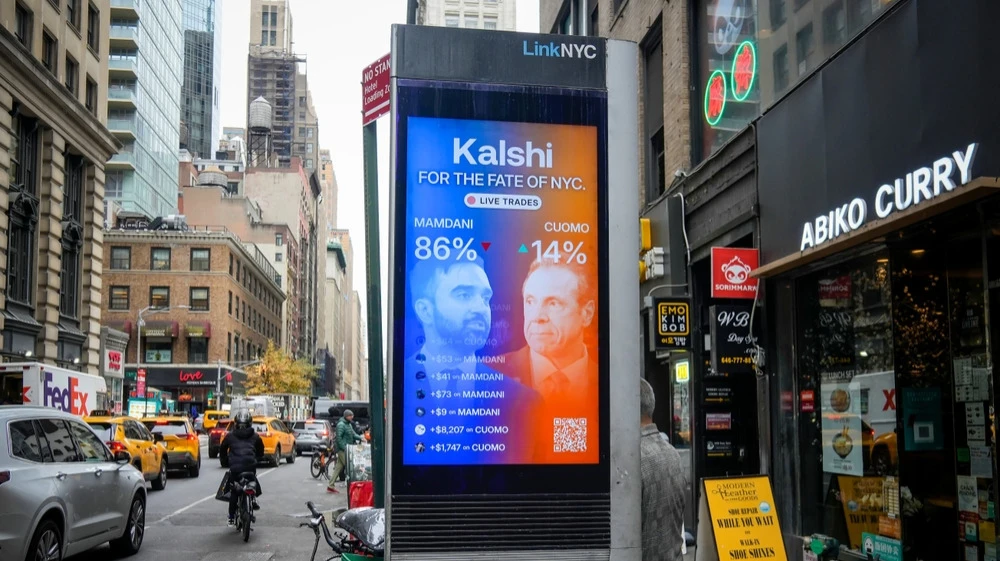
Kalshi and Coinbase will be able to give investors in the US access to open-ended cryptocurrency futures / Photo: rblfmr / Shutterstock.com
Forecast market operator Kalshi and cryptocurrency exchange Coinbase have received permission from the U.S. Commodity Futures Trading Commission (CFTC) to trade open-ended futures, MarketWatch writes. This is a popular financial derivative that allows you to bet on the price dynamics of a wide variety of assets - from little-known memcoins to shares of companies that have not yet gone public, the publication explains.
The regulator announced on Friday, May 29, that it has approved the launch of the first regulated open-ended futures contract tied to bitcoin in the U.S. on the Kalshi platform. The company separately said it would seek similar approval for other cryptocurrencies. "This makes us the next generation of derivatives exchange," a Kalshi spokesperson told MarketWatch.
The CFTC also authorized Coinbase to give U.S. customers access to cryptocurrency options and perpetual futures on Deribit, a Dubai-based derivatives exchange owned by the company. That platform provides billions of dollars worth of trading volume per day, MarketWatch notes. As a result, traders in the U.S. will be able to trade on the global market through the Coinbase app. A company spokesperson did not specify when exactly this opportunity will open to everyone, but institutional investors, he said, can start connecting now.
MarketWatch recalls that on February 28, when the war with Iran began, traders rushed to buy open-ended oil futures - it was a Saturday, and traditional financial markets were closed. And such contracts trade around the clock, seven days a week, and involve regular settlements between market participants. For U.S. investors, these products were still largely inaccessible, though some circumvented the restrictions with VPNs. This practice has led to several CFTC lawsuits against foreign platforms.
This article was AI-translated and verified by a human editor