A Wake-Up Call That Could Transform the AI Market: What to Look for in Hyperscalers’ Reports
Wall Street veteran George Noble believes that the artificial intelligence investment bubble is beginning to burst, and explains which metrics to watch to spot a reversal in time

Noble believes that this downturn in tech stocks could be more severe than the dot-com crash / Photo: Tada Images / Shutterstock.com
George Noble, a former portfolio manager on Peter Lynch’s team, believes the semiconductor sector is extremely overheated and suggests keeping a close eye on the upcoming earnings reports from hyperscalers. He cites a potential reduction in capital expenditures on artificial intelligence as the key indicator: such a move, in his view, would impact the entire supply chain and could make the current downturn worse than the dot-com crash.
"In my opinion, it's only a matter of time before one of the giants announces a cut in capital expenditures. As soon as that happens, the entire semiconductor supply chain will collapse."
Investors are currently continuing to bet on growth in the semiconductor sector. According to Noble, the three largest sector-specific funds have received about $25 billion since June 22. Many investors chose not to sell their holdings but instead used the downturn to buy more, he explains.
Investors may be attracted by the fact that, given current earnings, the stocks appear undervalued, says Noble. The gross profit margin of some companies has risen to about 75%, compared with a long-term average of about 25%. If hyperscalers start cutting costs, the market will have to revise its expectations regarding both demand for chips and the future profits of their manufacturers.
Current profitability is driven by the fact that demand is still growing faster than supply. However, high profits are prompting manufacturers to expand their capacity. As new plants come online, the shortage will narrow, and prices and margins will decline.
“Announcements about the launch of new capacity have already been made, but investors are objecting: ‘Look at the demand.’ Yes, but what will happen if hyperscalers halt their capital investments? Perhaps due to a lack of return on investment, which, in my view, is inevitable.”
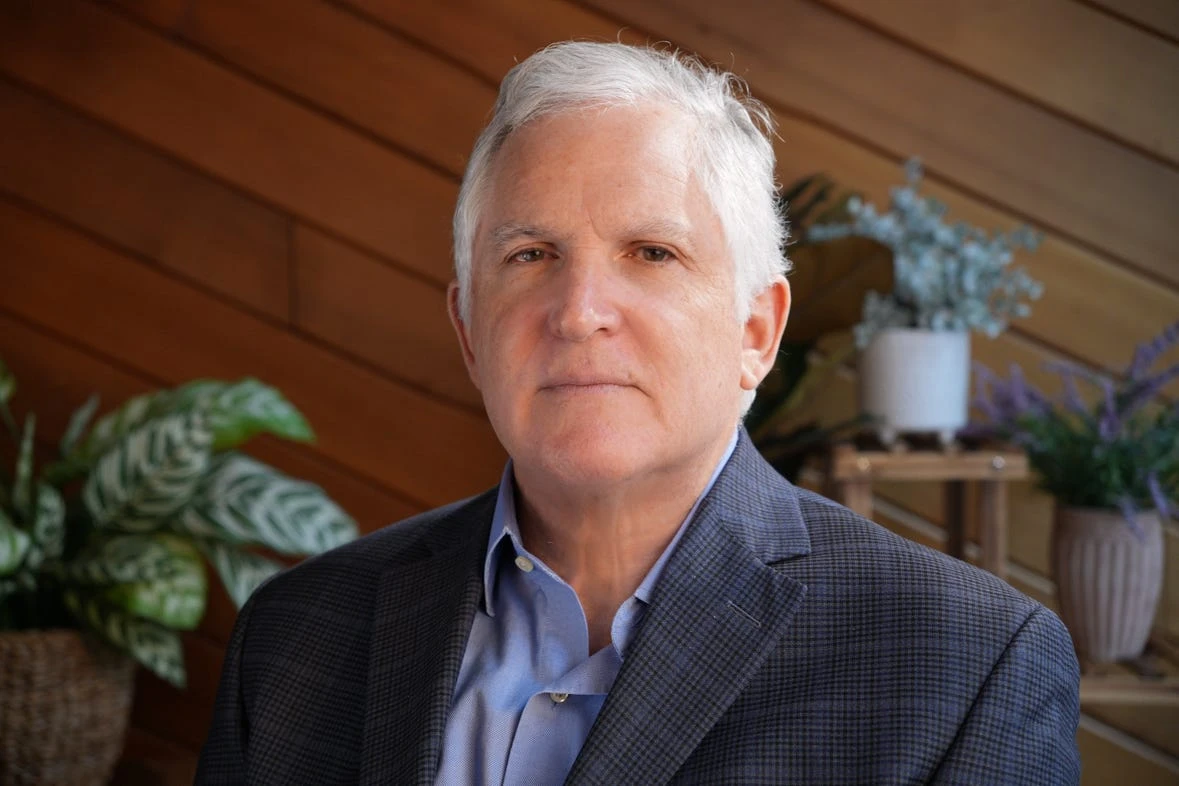
According to Noble, Oracle could be one of the first to suffer: he believes the company could go bankrupt, pointing to its inefficient investments, massive debt, and dependence on OpenAI. He does not rule out the possibility that OpenAI could also go bankrupt. In his view, the collapse of the companies that largely underpin the current investment boom could be one of the most massive in stock market history.
“One way or another, in my view, we’re witnessing the bursting of one of the biggest bubbles in history. The semiconductor sector and everything related to AI trading are extremely overheated. Bubbles always start the same way: an idea emerges that sets investors’ minds ablaze. The idea itself is sound, but over time it’s elevated to an absolute. As Buffett used to say: ‘What the wise man does at the beginning, the fool does at the end.’ We’ve seen this movie before.”
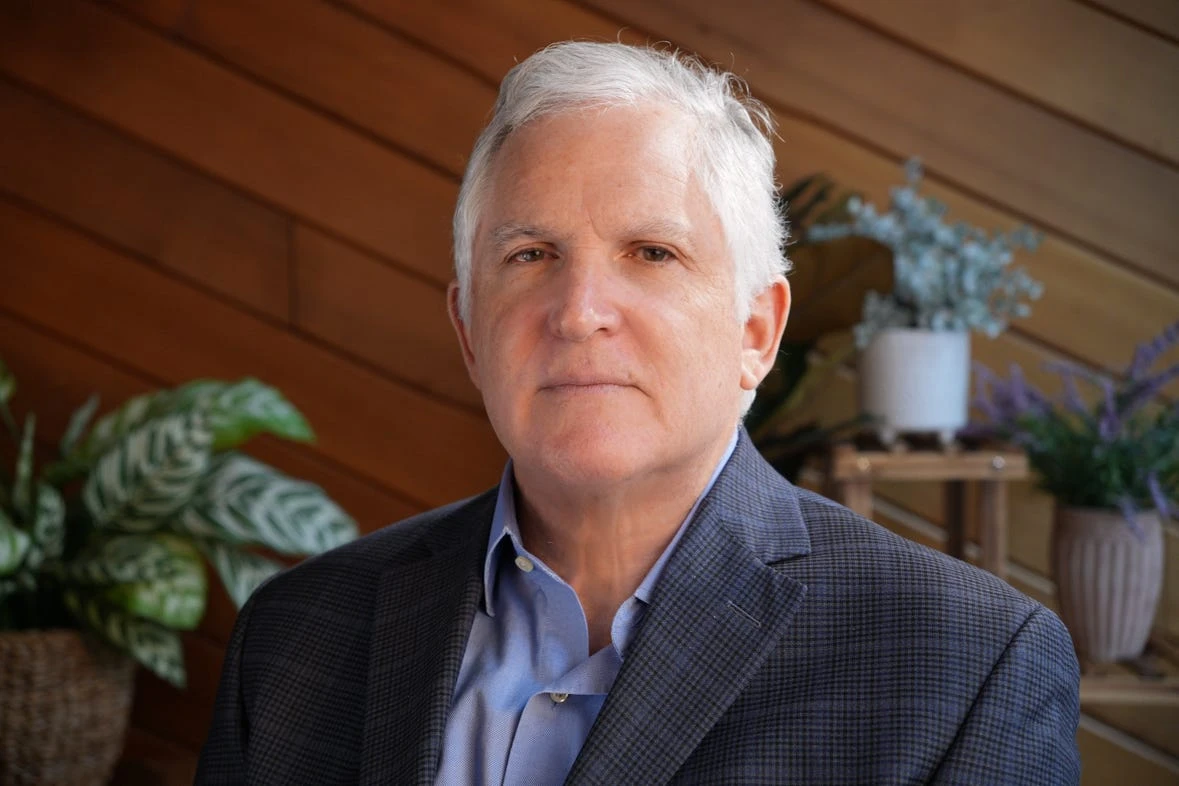
Noble compares the current situation to the late 1990s: back then, one of the signs that a turnaround was approaching was investors’ conviction that there were no alternatives to the technology sector. Noble sees a similar belief in the unconditional continuation of the semiconductor boom today—as evidenced by the stock prices of certain companies: SanDisk’s shares have skyrocketed, and Kioxia, which recently went public, briefly surpassed Toyota in market capitalization. Noble believes that the reversal has already begun and forecasts a further sharp decline.
"The market has simply gone crazy—and that's exactly what's happening right now. And only now is it starting to come to its senses."
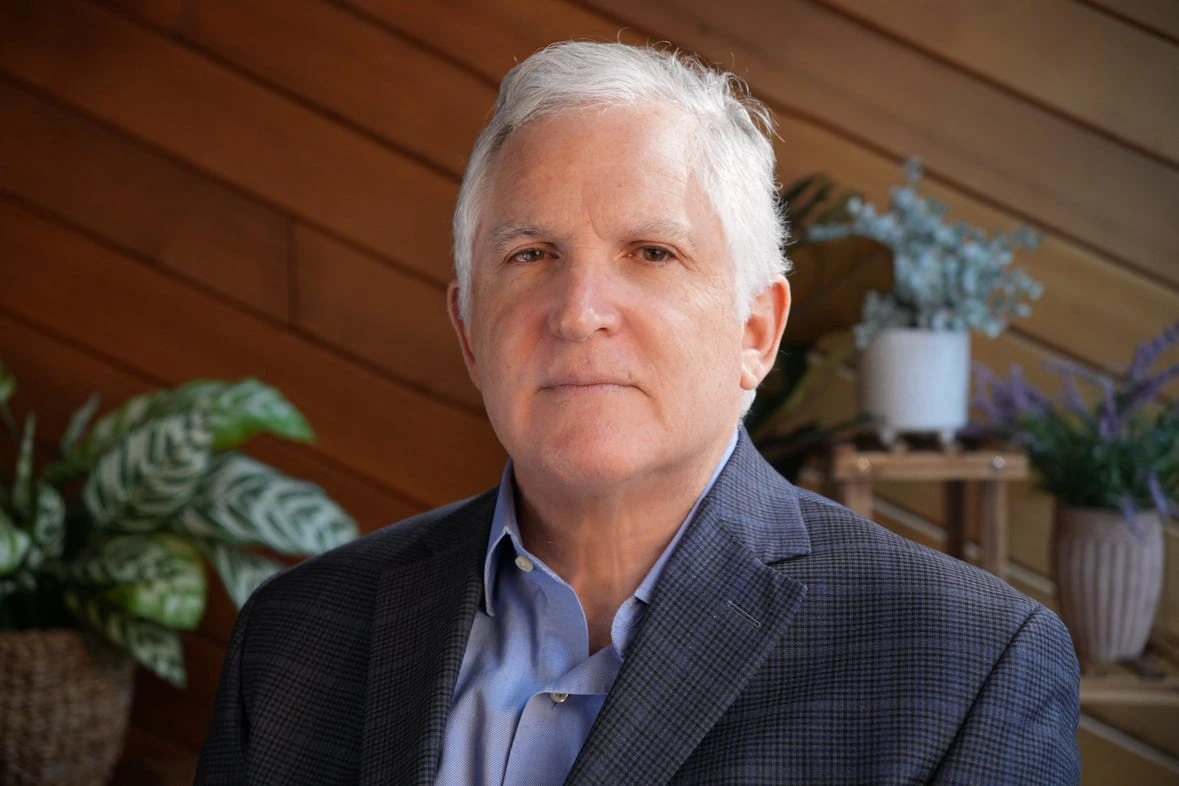
Noble believes that the tech downturn could turn out to be more severe than the dot-com crash. According to him, companies have invested far more money in the boom this time around. If these investments are sharply reduced, the decline in tech stocks could escalate into a broader economic downturn.
Context
In the U.S., the wave of second-quarter earnings reports from major tech companies has begun. Alphabet beat revenue expectations thanks to growth in its cloud business, but the market was disappointed by the upward revision of its capital expenditure forecast to $195–205 billion: its shares fell by more than 3%. Intel reported its strongest revenue growth since 2011 and issued a strong outlook, but after an initial 12% jump, its stock’s gains slowed to about 2%. Next among the tech giants to report earnings are Microsoft and Meta on July 29, followed by Apple and Amazon on July 30.

This article was AI-translated and verified by a human editor