A Wake-Up Call: Why a Value Investing Guru Is Concerned About the Wave of Mega-IPOs
A well-known value investor warns that the initial public offerings of tech giants could create an imbalance between supply and demand, leading to a decline in the prices of the new securities

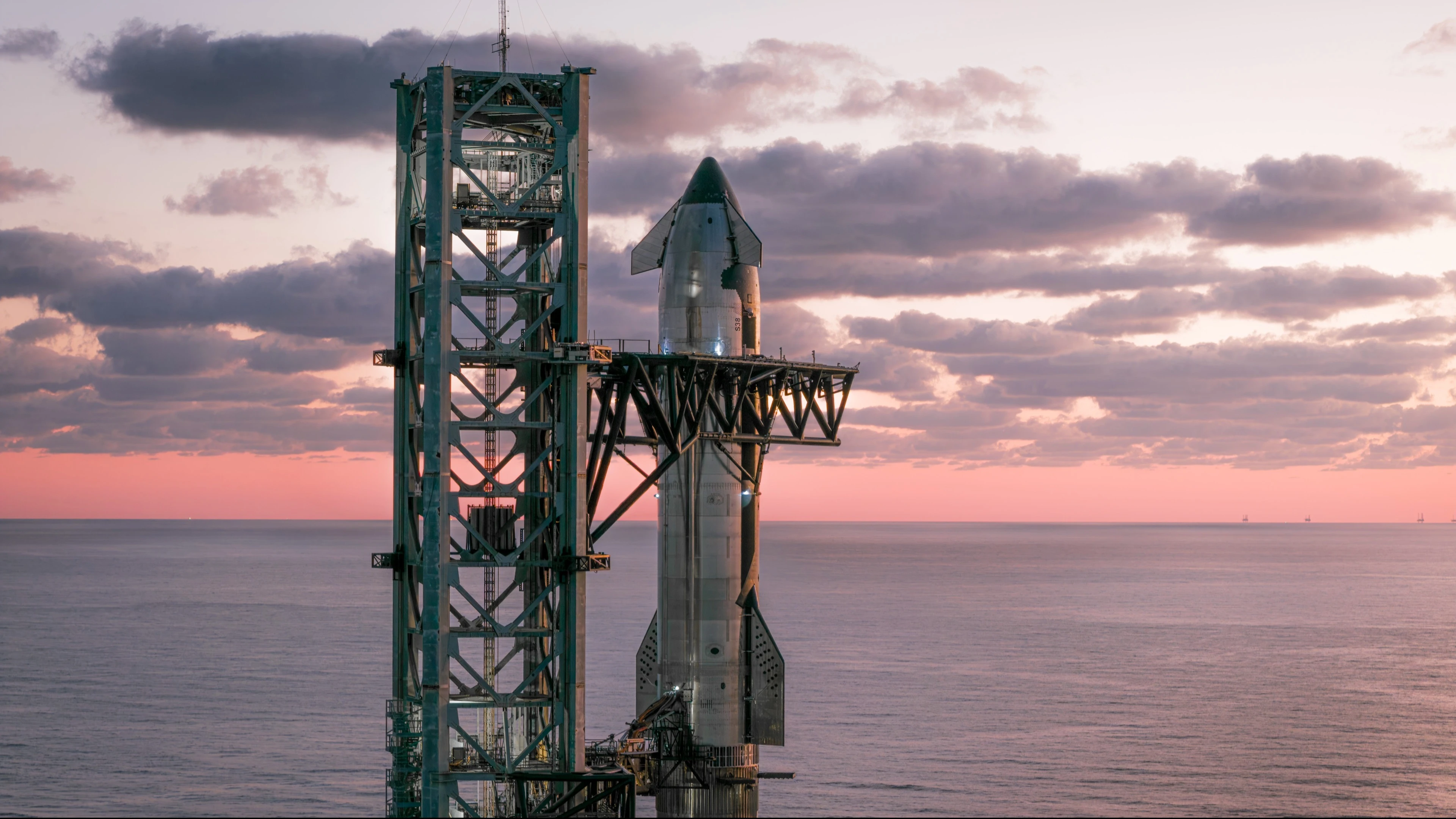
"The SpaceX IPO is 'the bell that rings at the very peak of the market,'" says Klarman / Photo: X / SpaceX
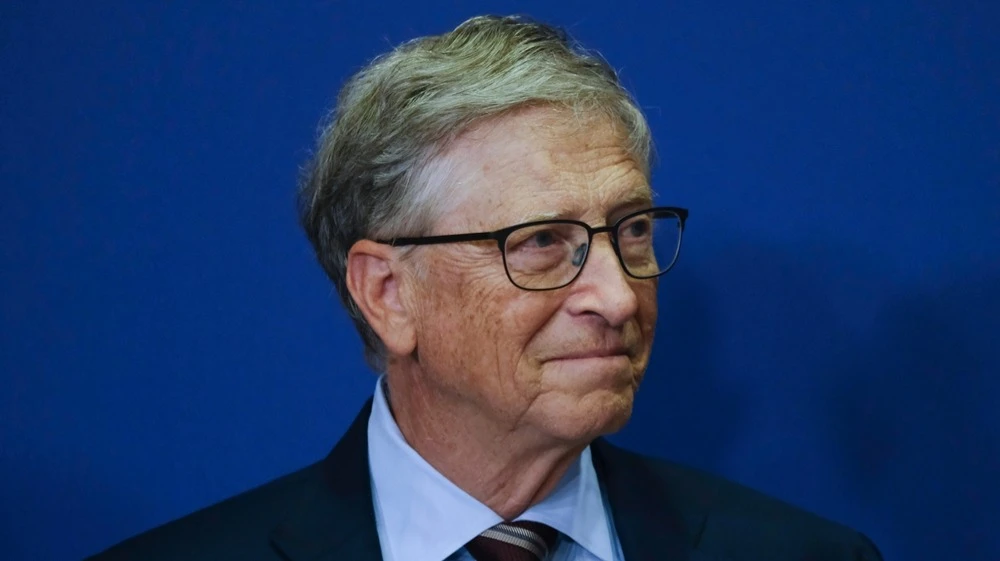
The IPOs of SpaceX, OpenAI, Anthropic, and other major companies could put the market to the test, according to Seth Klarman, head of Baupost Group. In his view, investors are too focused on growth stories and may be underestimating the risks associated with new mega-IPOs during the AI boom.
Seth Klarman is one of the most well-known advocates of value investing: when selecting assets, he looks first and foremost at price, intrinsic value, and margin of safety. In a Bloomberg podcast, he analyzed the overheated artificial intelligence market from this perspective and discussed the opportunities emerging beyond the most obvious AI plays. Oninvest highlights Seth Klarman’s key points.
The Risks of Large IPOs
It seems to me that investors may be overlooking just how much money large IPOs are taking out of the market. And [SpaceX] won’t be the last such offering. OpenAI and Anthropic are next in line. Plus, there are plenty of other companies stuck in institutional investors’ portfolios, and those investors would gladly sell their stakes at the first opportunity. The number of shares in free float may be small today, but these companies already have many shareholders in the private market. Some university endowments have 10–15% of their capital invested in just one company—SpaceX. They’ll want to sell, and employees will want to cash out.
And that’s a large volume of shares up for sale, and the market will have to absorb it at a time when, by all accounts, Google and Facebook need more money, OpenAI and Anthropic need more money, utility companies need money for power generation, and chip manufacturers need it to build new factories in the U.S. Demand for capital is very high, and, in my view, we are in a vulnerable situation: ultimately, it is the supply and demand for money that determine the cost of capital. This is true for the bond market and, in essence, true for the stock market as well. Therefore, we may face an imbalance between supply and demand: prices could fall simply because there are too many securities on the market, and private companies will need to convert their shares into cash.
About SpaceX
This is exactly the kind of bell that rings right at the market’s peak. Overall, the company is unprofitable, and its valuation is simply astronomical. I think we’ve all seen Goldman Sachs’ calculations: to justify the current price in the long term, certain segments of their business would need to grow by about 100 times—and sustain those growth rates over a long period of time! Such ultra-ambitious forecasts usually tend not to come true. It’s not that it’s absolutely impossible, but the task is incredibly difficult.
On the AI Craze
Today, the market appears to be overheated, but at the same time, it seems we are on the cusp of an unprecedented technological era. It could bring about tremendous prosperity, but it also poses risks to society and will bring about major changes.
It’s hard to say for sure what will happen with the future development of AI, with the potential creation of AGI, and what that will mean. We don’t know whether this will lead to mass unemployment, incredible prosperity, or an even wider gap between those who are doing well and those who are struggling—a K-shaped economy.
We’re definitely on edge. The economy may be in the midst of a boom right now—perhaps an inflationary boom. Who knows what will happen with the Strait of Hormuz and how it will all end. And the demand for AI and AI-related investments has become so all-consuming that the market seems to be saying: “We need AI winners; we’ll get rid of anything that looks like an AI loser, and while we’re at it, we might as well throw out the good assets along with the bad—we don’t care.” The market also ignores companies that are neutral toward AI. That’s why we see opportunities even in some large-cap, high-quality stocks that investors are selling off in their quest for high returns from speculation around AI.
What Should an Investor Do?
You can ignore the crowd. You can ignore the sweet talk about growth at any cost—no matter how tempting new technologies and high-profile IPOs may seem. You can ignore all of that if you’re confident that “I own something that will be worth more in a year or two than it is today.” And, in my view, that’s the foundation that allows you to stick to a value investing strategy.
This article was AI-translated and verified by a human editor