An investor from "Shorting" sold his Alibaba shares. What is he buying in the sell-off?

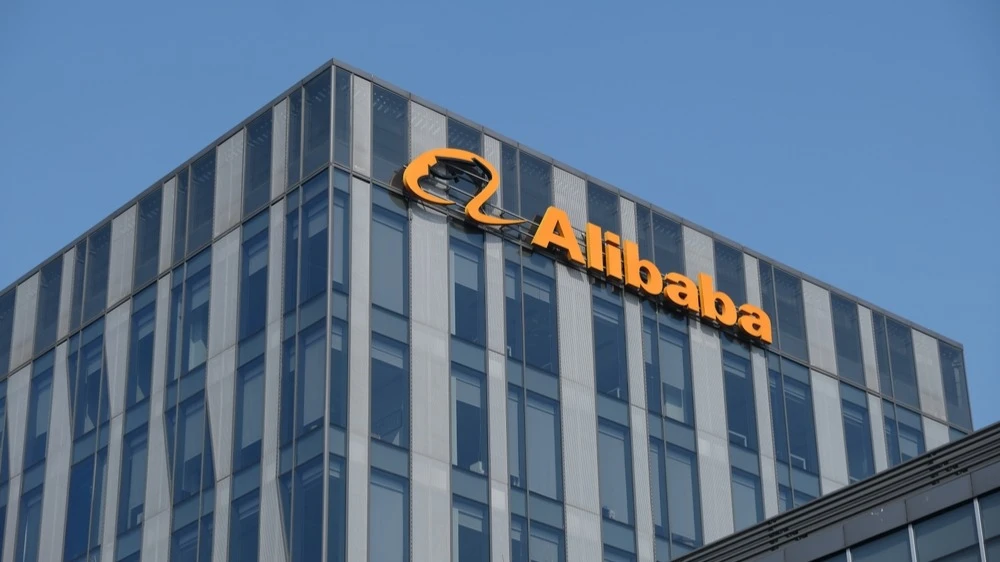
Michael Burry sold his Alibaba shares to realize a tax loss / Photo: Robert Way / Shutterstock
Michael Burry, who served as the inspiration for the protagonist in the movie *The Big Short*, sold his Alibaba shares to realize a tax loss and bought additional shares in JD, another major Chinese online retailer.
On June 25, an investor wrote on the Cassandra Unchained blog that the stock prices of major Chinese companies had once again fallen to near their lows due to pressure on the Hong Kong market. Amid this sell-off, Burry is buying up other Chinese stocks that have fallen in price.
Details
Burry attributes the sell-off in Hong Kong to a capital outflow to other Asian markets. He believes that money is flowing out of Hong Kong stocks and into South Korea and Japan, where investors are capitalizing on the semiconductor boom. Asian equity funds are adding to the pressure: they are reducing their exposure to China and shifting toward Japan or South Korea. In this situation, the largest Chinese companies have once again approached their lows, Burry wrote.
“The stock prices of leading Chinese companies have fallen, and it looks like this trend may continue. However, this pressure has now become part of a global semiconductor frenzy, so it is largely technical in nature, with no fundamental basis,” he believes.
The investor reported that he sold his Alibaba shares to realize a tax loss so he could buy more JD. He purchased additional JD shares at $24.79. He also noted that he plans to reopen a position in Alibaba at a later date. A couple of weeks ago, in his blog, Burry called Alibaba China’s most advanced company, particularly because of its strong AI strategy.
He is also looking for opportunities to increase his positions in the Chinese companies Meituan and Tencent. In his view, Alibaba, JD, Meituan, and Tencent will all be equally dependent on overall demand for Chinese internet stocks in the near future.
Context
Last week was the worst for the Hong Kong stock market since April 2025. Over the course of the week, the Hang Seng Index fell 5.2%. The sell-off affected China’s largest companies: Tencent, Alibaba, Baidu, Xiaomi, and chipmaker SMIC.
The sell-off spread to tech stocks across Asia. In South Korea, the Kospi index fell more than 8% during Friday’s trading session, forcing the exchange to suspend trading for 20 minutes. Shares of Samsung and SK Hynix closed the day down more than 5% and 8%, respectively. In Japan, SoftBank shares fell 13%, Advantest shares fell 10%, and Tokyo Electron shares fell more than 3%.
This article was AI-translated and verified by a human editor