An online portal for requests to lift sanctions has gone live in the U.S.

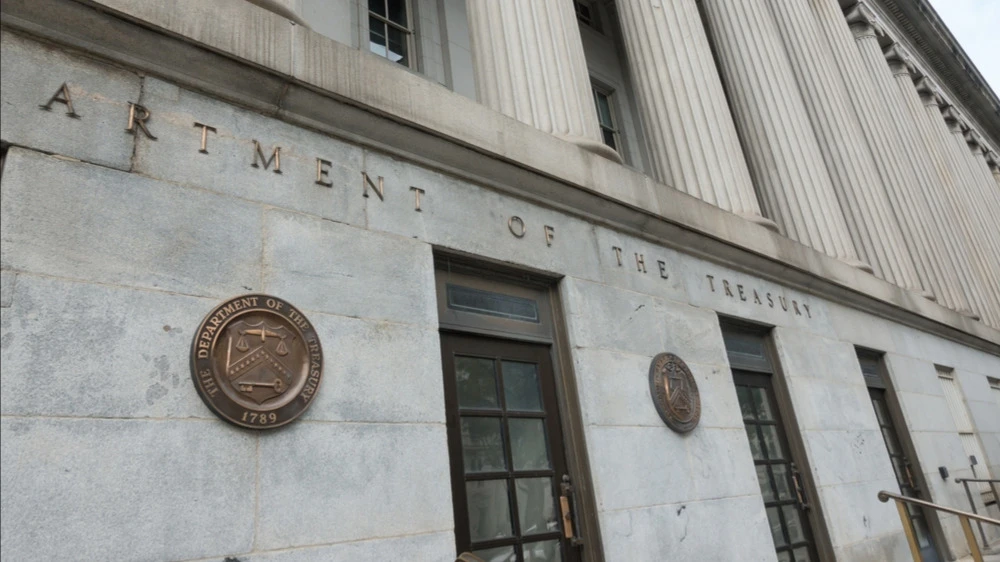
The U.S. Treasury Department cited two grounds for challenging the sanctions / Photo: Bob Korn / Shutterstock.com
The U.S. Department of the Treasury’s Office of Foreign Assets Control (OFAC) has launched a “Reconsideration Portal” on its website for reviewing sanctions decisions. It will allow individuals included on U.S. sanctions lists to remotely submit requests for removal from those lists. Through the portal, applicants can also request the text of the decision imposing sanctions against them in order to challenge it.
Individuals on sanctions lists have long had the right to request a review of the decision—to do so, they often hired lawyers specializing in sanctions law, Bloomberg explains. According to OFAC, the new portal will “streamline the application process” and ensure “greater transparency and efficiency.”
Over the past couple of decades, the U.S. has dramatically expanded its use of sanctions as a foreign policy tool; there are now thousands of restrictions in place in the U.S. that apply to individuals, companies, or entire countries, according to Bloomberg. The administration of U.S. President Donald Trump has promised to lift some sanctions against Iran as part of a final peace agreement and last week issued an initial waiver allowing the sale of Iranian oil. In recent months, the U.S. has also eased some restrictions on Russia (temporarily allowing oil sales during the Gulf crisis), Venezuela, and Syria, while simultaneously imposing new measures against Cuba, Bloomberg notes.
Who Might Find This Portal Useful
The "Instructions and Frequently Asked Questions" section of the OFAC portal states that users can request a Courtesy Document through the portal—information that served as the basis for imposing sanctions. However, some of the data may be redacted if it is classified, pertains to law enforcement information, or is protected by other exemptions.
OFAC explicitly identifies two grounds for challenging sanctions: either the circumstances that led to the imposition of sanctions no longer exist, or there were insufficient grounds for imposing the sanctions in the first place. For example, an individual has left their position, a company has been dissolved, operations have ceased, or there was an error in identification.
At the same time, OFAC warns that the transfer of assets to other sanctioned entities or sham transactions may be considered a “new violation of sanctions.” If a sanctioned entity plans to sell shares, exit a sanctioned company, or undertake any other restructuring, OFAC advises coordinating such actions with the agency in advance.
This article was AI-translated and verified by a human editor