Analysts have expressed doubts about demand for the new iPhones. KeyBanc expects Apple's stock to fall 27%.

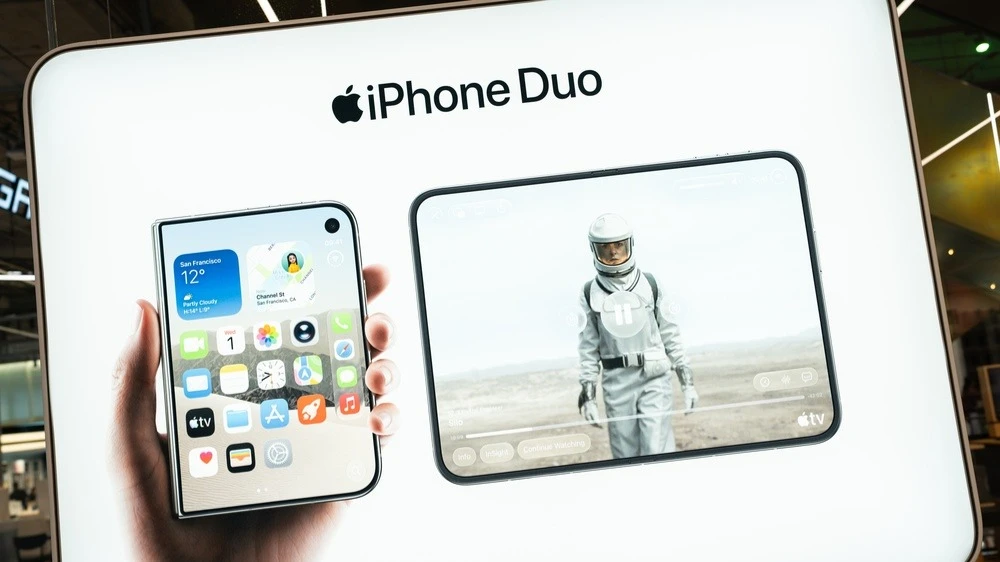
Analysts debated the prospects for Apple's new smartphone / Photo: Shutterstock.com / Wongsakorn 2468
The sales outlook for the new iPhone lineup has sparked disagreement among Wall Street analysts. KeyBanc and Jefferies are warning of weak demand, while Bank of America and Melius remain optimistic. Apple’s stock has already risen by a quarter this year, is trading near record highs, and many investors doubt that the rally will continue,
according to Barron’s.
Details
The launch of the iPhone 18 is unlikely to be as successful as Apple hopes: consumers may decide not to upgrade their smartphones because they will find it difficult to accept the price increase, especially if their current device is already meeting their needs. KeyBanc analyst Brandon Nispel reached this conclusion based on the results of a survey of iPhone users, according to Barron’s. The analyst believes that demand could be affected by a reduction in discounts offered by mobile carriers. He recommends selling Apple shares with a target price of $250, which implies an expected 27% decline from the October 19 closing price.
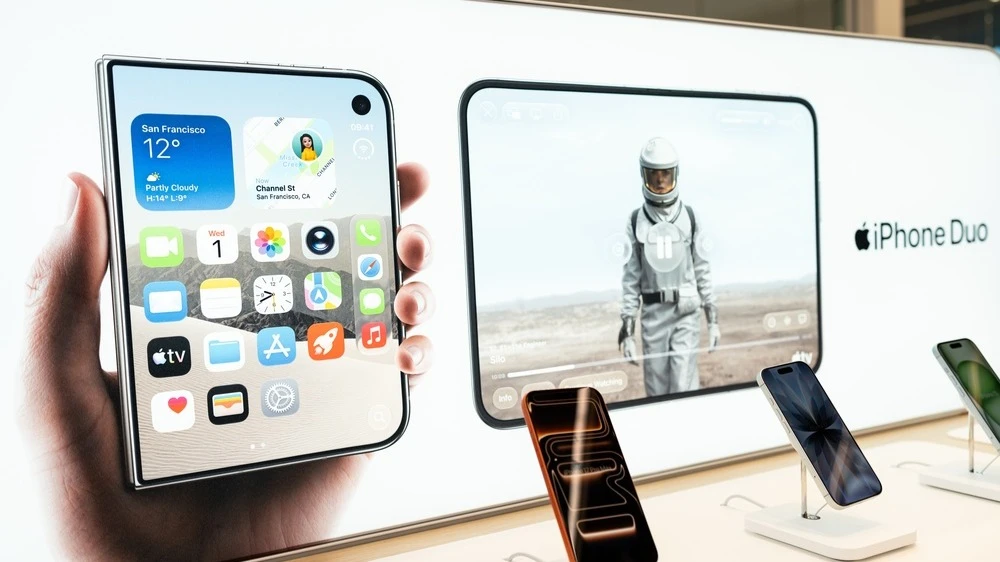
Jefferies analyst Edison Lee expressed similar concerns. According to his assessment, demand for the iPhone 18 is slowing, while the company’s first foldable smartphone, the iPhone Duo, is meeting expectations but not exceeding them, Yahoo Finance reports. Lee cited reports from Nikkei and Reuters regarding a 10–15% reduction in orders for parts for the iPhone 18 Pro and Pro Max. Jefferies’ own data also points to a decline in Apple’s orders for certain components, including chips for the new smartphones.
The analyst considers price trends in the secondary market to be another sign of weakening demand: as of September 29, the resale price of the iPhone 18 Pro had fallen below the official retail price. A year earlier, by contrast, prices for the iPhone 17 Pro were 1–6% higher than retail prices. In addition, Li notes that in China, the estimated delivery times for the iPhone 18 Pro and Pro Max dropped to zero in mid-October. A year ago, customers had to wait 6 and 25 days, respectively, for the 17 Pro and Pro Max.
The launch of the iPhone Duo also failed to convince Li. Although Apple reported “extremely high” demand, he attributes this not only to consumer interest but also to limited production capacity. According to Li’s estimates, maximum production capacity is 2 million devices per month. In addition, the Jefferies analyst believes that some buyers may be purchasing these smartphones for resale.
What arguments do the optimists have?
Bloomberg Intelligence analysts Anurag Rana and Josh Christensen wrote on Friday that Duo sales could exceed their previous forecast of 14 million devices and $28 billion in revenue for Apple’s fiscal year 2027. According to the new estimate, if the company convinces current owners of Pro and Pro Max smartphones to switch to the base version of the foldable device, the average selling price of the iPhone could rise by 82% and 67%, respectively.
Bank of America reaffirmed its “buy” rating on Apple shares on Monday. According to findings from surveys conducted by BofA analysts, delivery times for new smartphones remain long, indicating strong demand for the devices. As of October 19, the average delivery time for the iPhone Duo worldwide was 82 days, according to a note cited by CNBC.
Melius analyst Ben Reitzes also recommends buying Apple stock with a price target of $370—which implies growth potential of about 8%. According to Reitzes, as reported by Investing, the company has become a prime example of how the market rewards businesses with relatively low capital expenditures that aren’t tied to a specific artificial intelligence model.
What about the stocks?
Apple's market capitalization exceeded $5 trillion for the first time in mid-October. The rise in its stock price was driven by optimistic expectations regarding demand for new smartphones and investor confidence in the company's AI strategy, according to Yahoo Finance.
By staying out of the race to spend billions on artificial intelligence, Apple has avoided the widespread sell-off of tech stocks triggered by concerns about the return on such investments. According to Barron’s, this could continue to be an advantage for the company—amid growing investor scrutiny of the tech giants’ capital expenditures.
Many investors doubt that Apple’s stock rally—which has risen 26% this year—will continue, Barron’s warns. Apple shares are trading at a multiple that corresponds to 36 times projected earnings for fiscal year 2027—significantly higher than the historical average. The market fears that the company’s earnings will not grow fast enough to justify such a high valuation, the publication notes.
This article was AI-translated and verified by a human editor