Betting on TACO: can Trump's "concessions" be capitalized on?
The TACO trade concept has proven effective during trade wars, but may not work when transferred to geopolitics

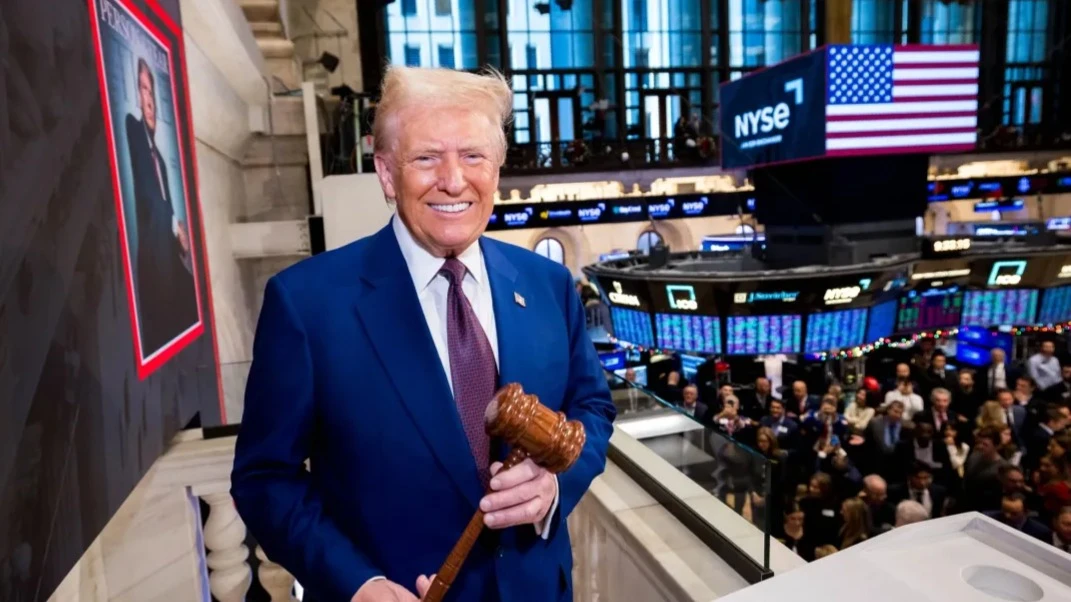
Since the beginning of Donald Trump's second term as president, 9 of the 10 best days for the S&P 500 have been due to de-escalation related to either duties or Iran / Photo: Facebook/NYSE
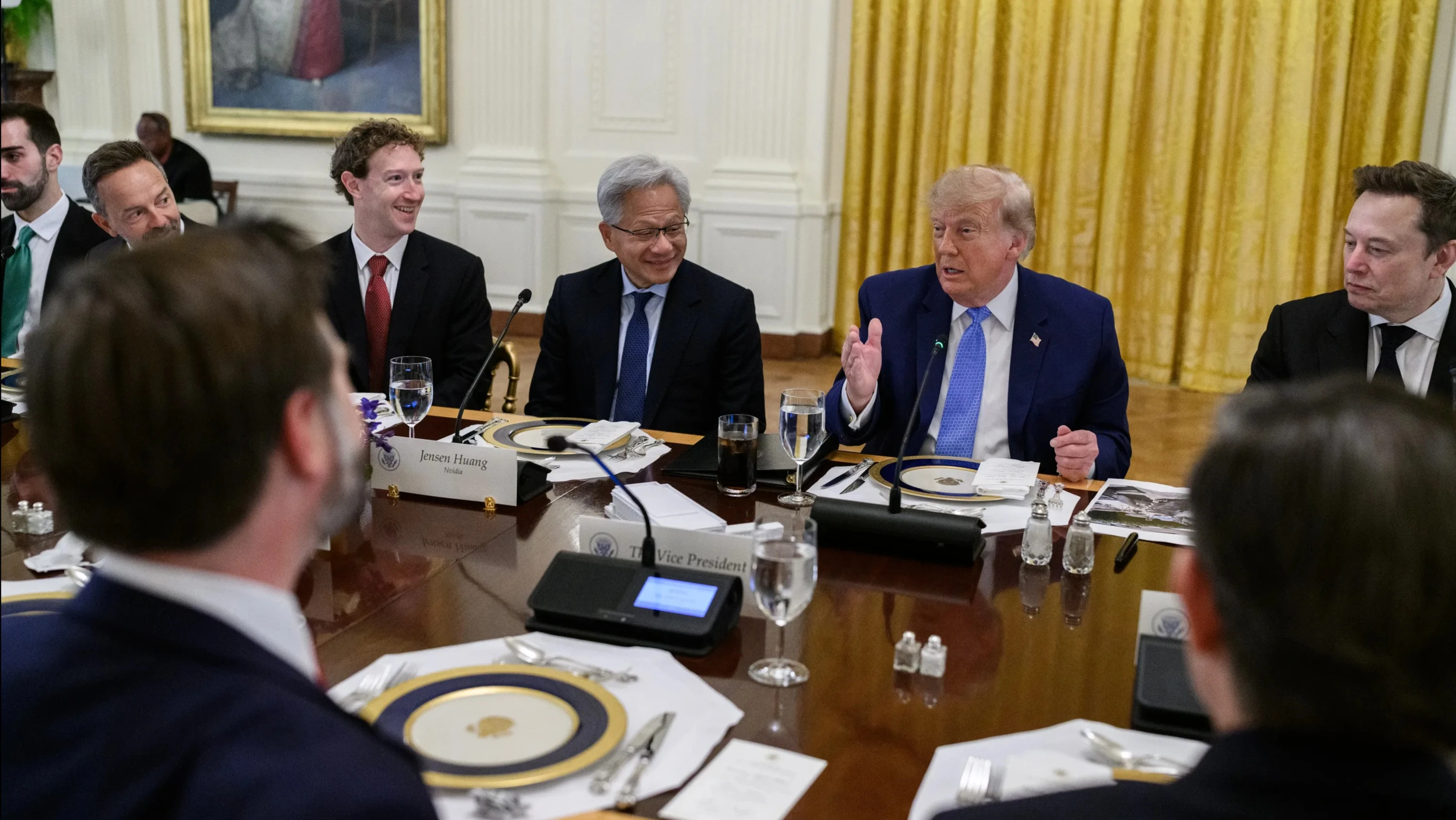
The Trump Always Chickens Out (TACO) investment strategy has become one of the main drivers of the US stock market. The concept is based on investors' confidence that US President Donald Trump is inclined to soften his rhetoric in trade and geopolitical disputes in order to prevent the collapse of quotations, which he considers a barometer of the success of his presidency. But in practice, this tactic does not always work: it is poorly applicable to international conflicts and requires an ideal moment to enter the market.
Details
Investors on Wall Street have developed a habit of buying back market drawdowns during periods of escalating conflicts involving the 47th U.S. president. Nine of the ten sessions with the S&P 500's maximum gains during Trump's second term were triggered by his compromises on duties or Iran, MarketWatch calculated. The expectation of Trump's put - the U.S. president's willingness to make concessions to support stock indices, which acts as a kind of market insurance similar to a protective put option - keeps U.S. stocks from going into a correction zone even in the face of macroeconomic shocks.
Beneficiaries of concessions
In the days of Trump's compromises, the assets that were subjected to the toughest sell-offs earlier usually show maximum returns. Such was the case on April 8 after the sudden announcement of the U.S. president on the peace deal with Iran. Shares of small-capitalization companies (Russell 2000 index), as well as securities of industrial and consumer sectors showed the outstripping growth. For technology companies, point exemptions from tariff regimes - such as the exemption of the semiconductor industry from duties in April 2025 - may act as a separate strong driver.
Since Trump's inauguration in 2025, the S&P 500 index is up 13%. But if traders had somehow managed to lock in profits from just the top 10 trading sessions of the S&P 500 during his presidency, their cumulative return by noon on April 8 would have been about 35%, the publication cites Dow Jones statistics.
TACO's backside
The TACO strategy is effective in unilateral decisions on duties, where Trump can speak from a position of strength, but its transfer to multilateral geopolitical conflicts is skeptical: Wall Street doubts that the US president will be able to convince Israel and Iran to de-escalate. This is borne out by the difference in market behavior: under the "original TACO" on April 9, 2025, the S&P 500 soared 9.5% following Trump's decision to suspend some duties, while a year later the rise on news of the agreement with Iran was only 2.5% - due to concerns that the "fragile truce may not hold."
In addition, it is almost impossible to maximize profits from TACO's ex post facto strategy. For example, to really capitalize on Trump's sudden announcement of a Middle East cease-fire, investors needed to be invested in the market before the opening bell on April 8 - it was in the first hours of trading that quotes rose, B. Riley Wealth chief market strategist Art Hogan pointed out in a conversation with MarketWatch. Riley Wealth's Art Hogan. "If you miss the 10 best days in any given year, regardless of who is in power, you miss a lot of the upside potential," the expert stated.
This article was AI-translated and verified by a human editor