Top stories for the morning: US hits Iran, Taiwan beats India, Samsung argues over bonuses

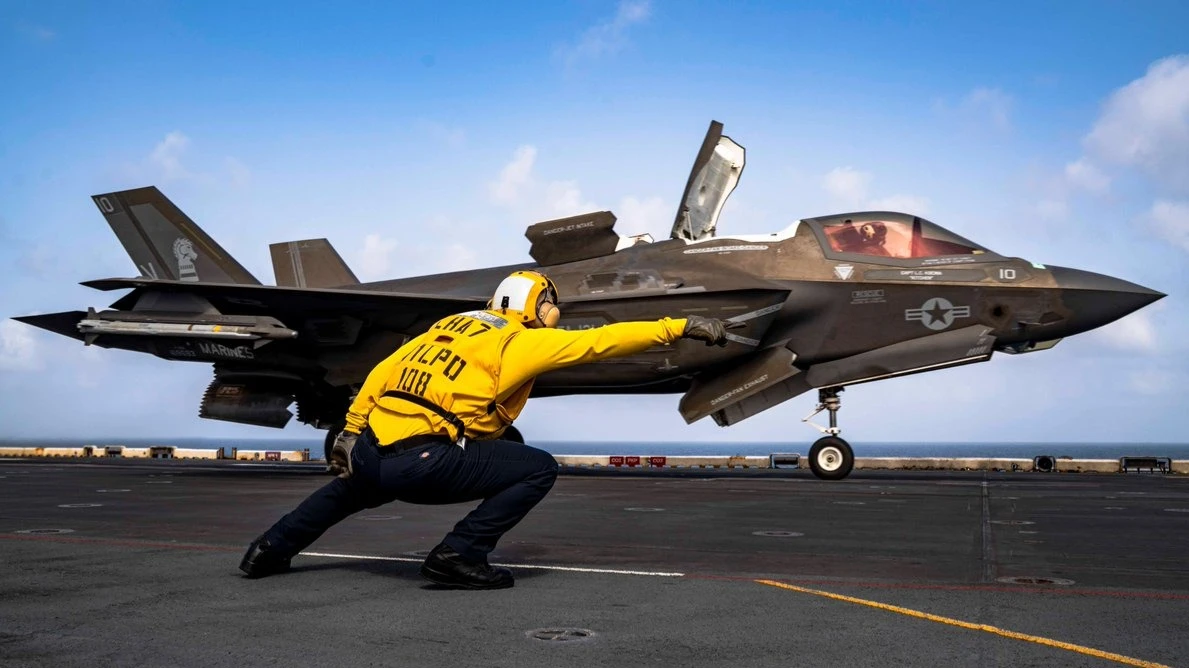
U.S. strikes on Iran / Photo: X/U.S. Central Command
The US launched strikes on facilities in Iran, despite claims of a near-peace deal. This increased volatility in the oil market: Brent rose above $98 per barrel, while WTI slipped below $92. These and other topics are covered in our review of key events on the morning of Ma. 26.
US hits Iran again amid peace talks
Donald Trump has threatened to bring the conflict with Iran "back to the battlefield" despite White House claims that the deal between the countries is 95% ready, CNBC reports. Against this backdrop, the US launched "defensive" strikes on facilities in southern Iran, while Washington again demanded the opening of the Strait of Hormuz and the transfer of enriched uranium stockpiles to the American side.
The oil market reacted mixed: Brent rose to $98.9 per barrel, while WTI fell almost 5% to about $92. Analysts note that Americans are tired of the war and expect gasoline prices to fall.
Taiwan overtakes India in stock market value
Taiwan has overtaken India in stock market capitalization thanks to the rally in TSMC shares, which have risen 49% since the beginning of the year amid a boom in artificial intelligence, Bloomberg reports. The total value of the Taiwanese market has reached $4.95 trillion against India's $4.92 trillion, and TSMC itself already occupies about 42% of the local index.
The Indian market, on the contrary, is losing ground due to high energy prices, slowing growth of corporate profits and outflow of foreign investors. Since the beginning of the year, global funds have withdrawn almost $24 bln from Indian stocks, and the country's index has fallen by 8%, while investors have switched to AI in Taiwan and South Korea, the agency points out.
Samsung unions challenged AI bonuses for chip business through the courts
A union of employees at Samsung Electronics' consumer division has asked a court to block a vote on a new wage deal, saying the agreement unfairly distributes bonuses to workers in the chip business, which has earned record profits on the AI boom, Reuters writes. The deal helped avert an 18-day strike by 48,000 employees, and some workers in the memory division could receive bonuses of up to $416,000 for the year.
The conflict has exacerbated disputes within the company about the distribution of income from artificial intelligence: employees of the smartphone and household business are dissatisfied with significantly lower payments. Samsung shares rose almost 9% after the deal, although still lagging behind rival SK Hynix, whose securities added 19%.
ASX shares plummet to a 13-year record due to rising costs to modernize the exchange
Shares in Australian exchange operator ASX collapsed more than 13% - the biggest drop since 2012 - after the company raised its capital expenditure forecast for infrastructure modernization, Bloomberg reports. The company raised expected spending for the next fiscal year to A$200 million ($143.2 million) and warned of accelerating cost increases.
ASX is struggling to regain investor and regulator confidence after years of technical glitches and delays in trading system upgrades. The exchange's shares have plunged 27% over the past year, making it the worst performer among the world's largest exchange operators, and a key upgrade is now not expected to be completed until 2029.
What's in the markets
- Japan's broad Topix index was little changed, with the Nikkei 225 down within 0.2%.
- Hong Kong's Hang Seng Index rose 0.3 percent, while mainland China's CSI 300 Index added 0.2 percent.
- In South Korea, the Kospi index was up 2.8% and the Kosdaq was up 1.4%.
- Australia's S&P/ASX 200 was down 0.4 percent.
- Futures on the S&P 500 rose by 0.6%. Futures on Nasdaq Composite added 0.8%. Exchange contracts on the Dow Jones Industrial Average were up 0.6%.
This article was AI-translated and verified by a human editor