BofA predicted oil at $100 even if the U.S.-Iran war ends soon

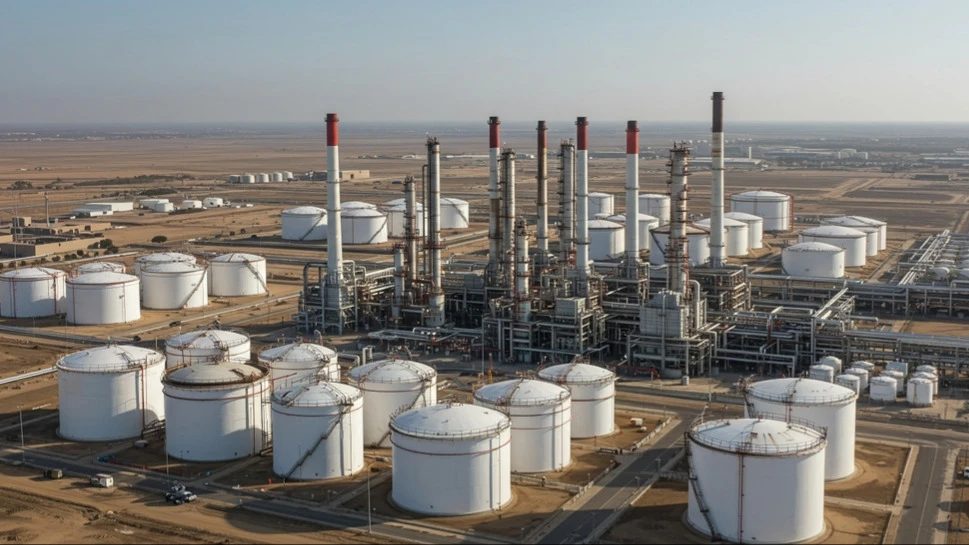
According to BofA's forecast, oil will not get cheaper until the end of the year / Photo: Mereka Studio / Shutterstock.com
The cost of oil will remain at $100 per barrel throughout 2026 even if the U.S.-Iran war ends in a few weeks, Bank of America analysts warned. In addition, they expect economic growth to slow and inflation to accelerate because of the energy crisis. The result will be "mild stagflation," the bank believes.
Details
Bank of America's forecast suggests that the war will gradually end by the end of April, but oil will remain at around $100 a barrel for the rest of the year, Yahoo Finance writes. BofA calculations show that the conflict in the Middle East will reduce U.S. economic growth in 2026 by 50 basis points to 2.3%. Overall inflation is expected to reach 3.6% versus the previously projected 2.8%. Globally, economists also lowered their GDP growth forecast to 3.1% and raised inflation expectations to 3.3%.
"The war dividend at the moment is mild stagflation," Bank of America economist Claudio Irigoyen and his team wrote in a note to clients. Stagflation refers to a combination of higher inflation and slower economic growth, Yahoo Finance explained.
A blow to the global economy
While the global economy has become less dependent on oil, it has simultaneously become much more sensitive to natural gas and fertilizer supplies, BofA economists say. This poses a serious risk to Europe and emerging economies, Yahpp Finance reports. Both oil, liquefied natural gas and fertilizers from the Persian Gulf are shipped through the Strait of Hormuz, through which Iran has severely restricted shipping since the start of the war.
"A war with Iran is not an oil shock, but an energy shock," Irigoyen argues. This corresponds to a stagflationary shock that would affect inflation earlier and more markedly than GDP growth, based on the BofA's baseline scenario in which oil would be around $100 a barrel by the end of 2026, the analyst added.
If the war drags on
If the conflict escalates and drags on, the consequences of "significantly higher energy prices combined with a significant correction in asset prices could lead the global economy into a recessionary scenario," Irigoyen noted.
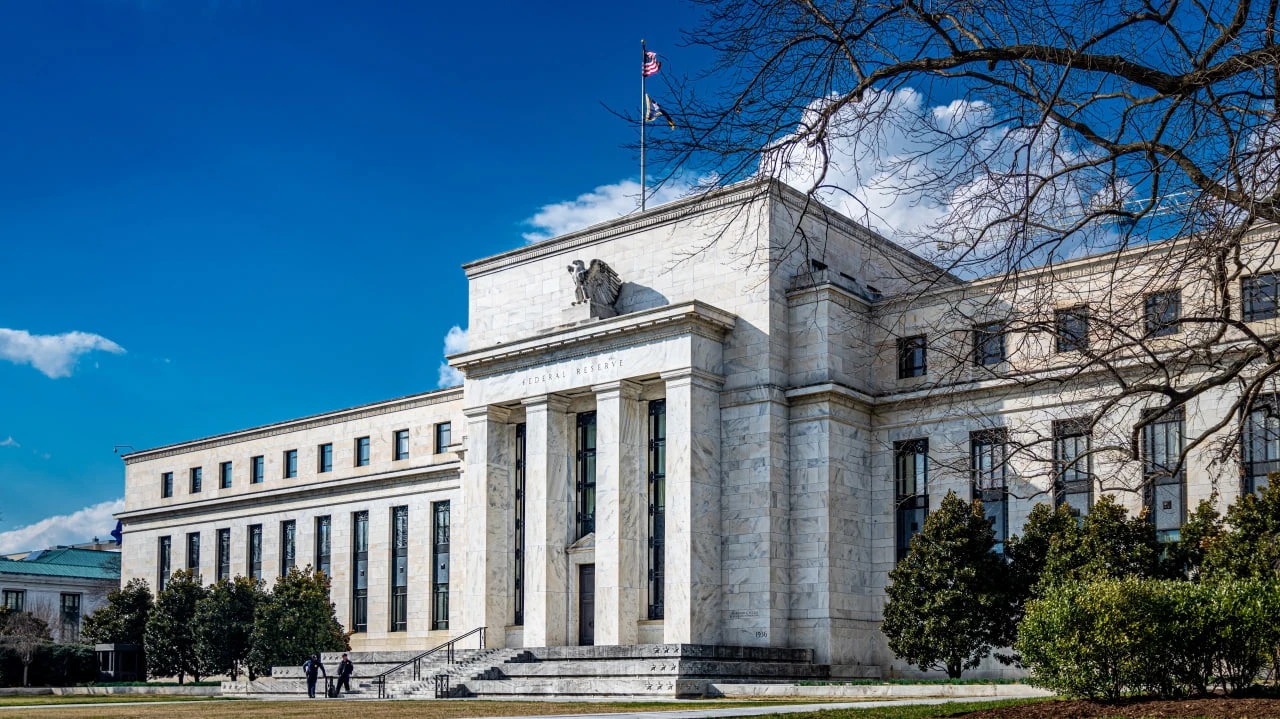
For now, BofA economists still expect the U.S. Federal Reserve to cut rates by a total of 50 basis points this year, but the timing has shifted from summer to fall, while acknowledging the "high risk" that monetary easing may never happen.
Context
Wall Street is increasingly deferring expectations for rate cuts, with Goldman Sachs also forecasting two cuts in the fourth quarter. "The labor market is weakening, wage growth is already below the 2% inflation target, and inflation expectations remain robust," Goldman Sachs analysts wrote Wednesday in a note cited by Yahoo Finance. - Against this backdrop, an oil shock sufficient to raise fears of sustained inflation is also likely to do significant damage to the economy and potentially lead to a recession."
Fed Chairman Jerome Powell said this week that inflation expectations "remain resilient" and that the regulator "tends to ignore such supply shocks." His comments eased heightened fears of a possible surprise rate hike this year.
This article was AI-translated and verified by a human editor