Brent crude surpassed $104 following reports of U.S. plans to resume strikes against Iran

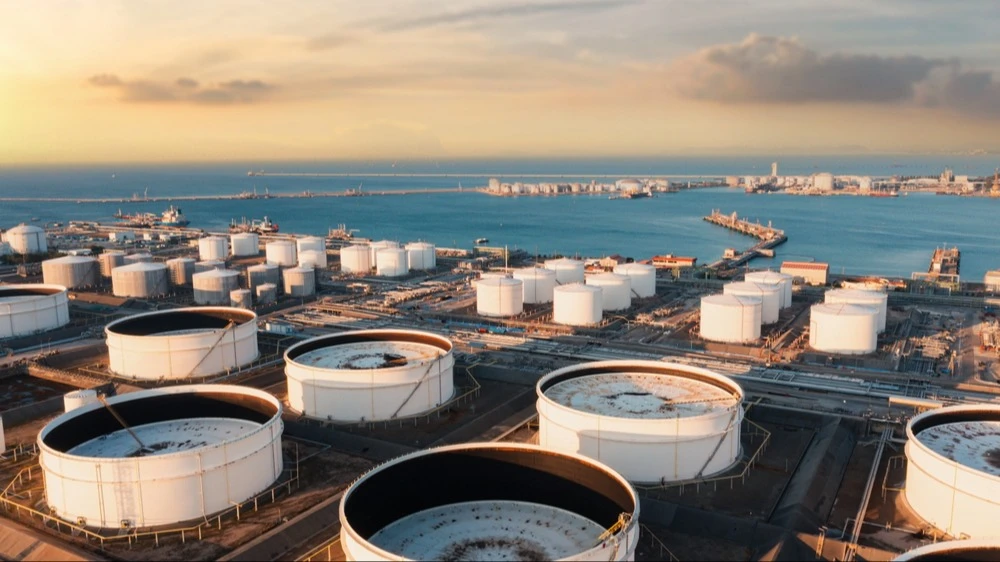
Oil prices jumped above $104 / Photo: AU USAnakul / Shutterstock
The price of Brent crude rose nearly 4% during trading on October 8 and exceeded $104 per barrel. This was driven by renewed concerns over the situation in the Middle East: The U.S. is considering the possibility of resuming large-scale military operations against Iran in the coming weeks, according to sources cited by NBC News.
Details
Futures for Brent, the international benchmark crude oil, for December delivery rose 3.9% and peaked at $104.44 per barrel. Futures for the U.S. West Texas Intermediate (WTI) crude oil mark for November delivery rose 4%, reaching $92 per barrel.
U.S. President Donald Trump and his national security team have been discussing the possibility of resuming large-scale military operations in Iran in the coming weeks, NBC News reported, citing sources. This scenario also includes the option of launching strikes ahead of the November midterm elections, CNBC notes.
The White House has asked the Pentagon to prepare options for military strikes that could be carried out before the U.S. midterm elections, according to The Atlantic. The scope and objectives of a potential operation are still under discussion, and no final decision has yet been made on whether to carry it out, the publication reports.
In addition, a tanker was attacked off the northern coast of Qatar on the night of October 8. This was the first attack away from the Strait of Hormuz in about a month, according to Bloomberg. The vessel sustained several damages, and there are casualties, according to the UK Maritime Trade Operations (UKMTO), which serves as a liaison between commercial shipping and the military. The UKMTO did not, however, name the tanker or identify who was behind the attack.
What Analysts Are Saying
“Looking ahead, oil prices will most likely remain tied to the security of export routes and infrastructure in the Persian Gulf,” said Inki Cho, a financial advisor at Exness, an online platform for trading in financial markets.
According to him, any escalation affecting shipping through the Strait of Hormuz or Saudi Arabia’s energy infrastructure would threaten physical supplies and could push prices even higher.
Rising oil prices are intensifying inflationary pressures following the Federal Reserve’s interest rate hike in September. Money markets estimate the probability of another rate hike in October at about 20% and have fully priced it in by December, according to Bloomberg.
“There will likely be another rate hike this year, as the current policy is not tight enough. Given that inflation is above the target level and economic price activity is strong, price stability remains the Fed’s primary mandate,” said David Russell of TradeStation.
Context
The day before, on October 7, Iran-backed Houthis attacked airports in Saudi Arabia. According to Saudi aviation authorities, as reported by the BBC, three people were killed and another 36 were injured. The strikes came amid a new escalation of fighting between the Houthis and Yemeni government forces backed by Riyadh.
This article was AI-translated and verified by a human editor