Brent prices fell 5%: hopes for a diplomatic resolution to the U.S.-Iran conflict are growing
Commodity prices continue to decline following their sharpest weekly drop since 2020

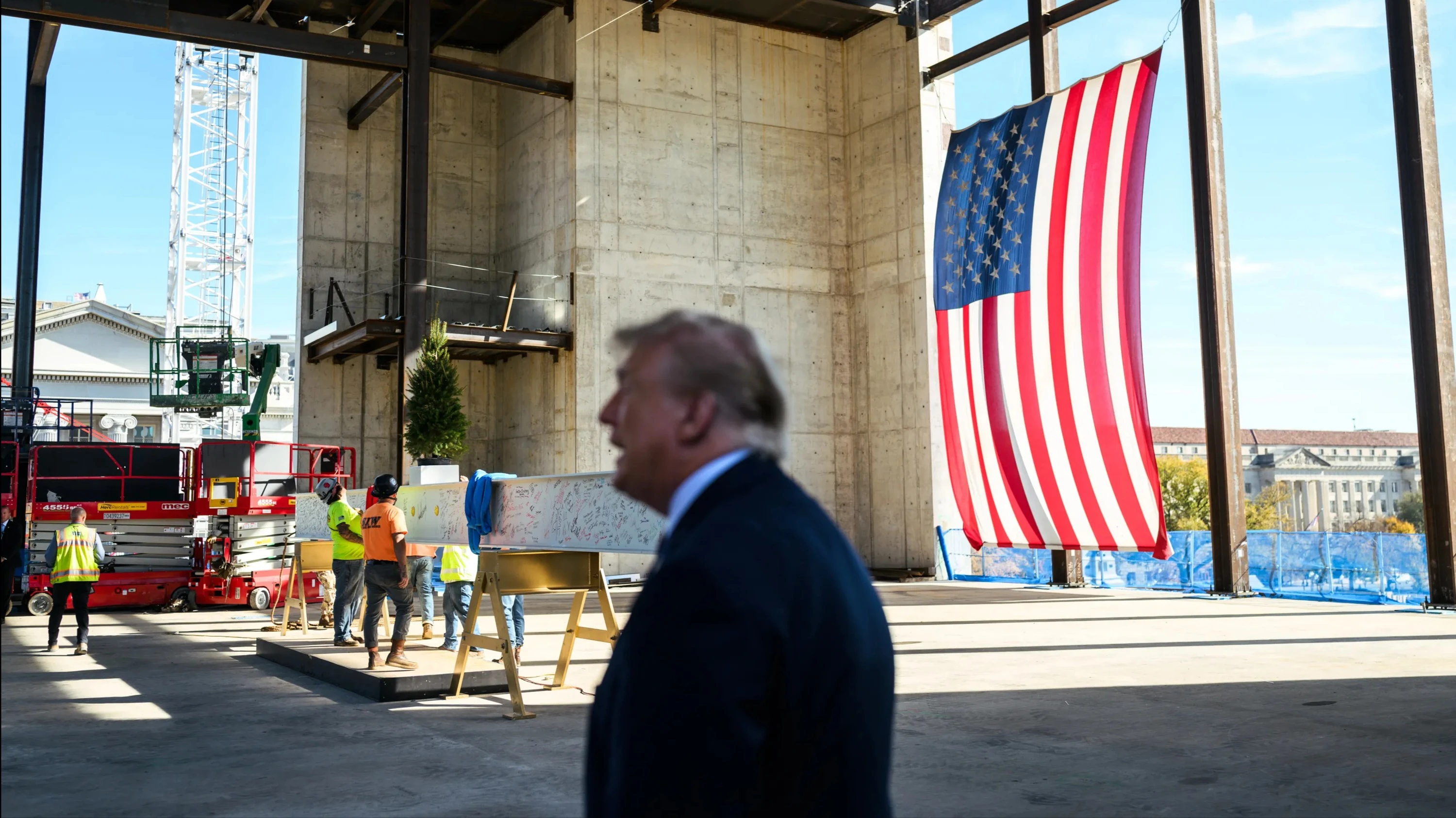
Donald Trump said it was unlikely that strikes against Iran would resume, but that it would depend on the agreements reached / Photo: The White House
The price of Brent crude fell nearly 5% during trading on November 9, dropping to $93.5 per barrel. The price of U.S. WTI crude fell 4.4% to $90.83 per barrel. Oil prices continue to decline after posting their worst performance since April 2020 last week, Bloomberg notes. However, as recently as October, the price had reached a six-month high.
Oil prices are falling on hopes for a diplomatic resolution to the war in the Middle East, even as fighting continues in the region, Bloomberg notes. These hopes have been bolstered by the Democrats’ success in the U.S. midterm elections, which will give them a majority in both houses of Congress. This will give Washington more incentive to seek a resolution to the conflict, the agency believes.
U.S. President Donald Trump said over the weekend that a resumption of attacks on Iran is “extremely unlikely,” though he clarified that this would depend on Tehran’s willingness to sign a “very strong agreement.” It remains unclear, however, whether this conciliatory rhetoric will translate into real progress, Bloomberg notes.
In addition, oil prices began to fall following a report by Israel Hayom that Iran may have dropped its demand to control the Strait of Hormuz and charge fees for the transit of ships. Bloomberg was unable to confirm this information.
“The oil market appears to be in the calm before the storm, and the outlook for prices in the coming weeks looks increasingly uncertain,” said Helge Andre Martinsen, senior energy analyst at DNB Carnegie. A diplomatic breakthrough “could cause oil prices to plummet,” while a resumption of hostilities could, on the contrary, drive them significantly higher, he added.
On Monday, Trump is scheduled to meet with Qatar’s Prime Minister, Sheikh Mohammed bin Abdulrahman Al Thani, at the White House. Qatar is one of the key mediators between the U.S. and Iran, seeking to prevent an escalation of the conflict through diplomatic channels, and traders will be closely monitoring news from Washington, according to Bloomberg.
This week, market participants will also be awaiting the monthly reports from the three largest agencies: the U.S. Department of Energy on Tuesday, OPEC on Wednesday, and the International Energy Agency on Friday, the agency added.
This article was AI-translated and verified by a human editor