Brent rose above $91 for the first time in a month. Should we expect oil prices to reach $150?
Any new supply disruptions could prove critical, JPMorgan warned

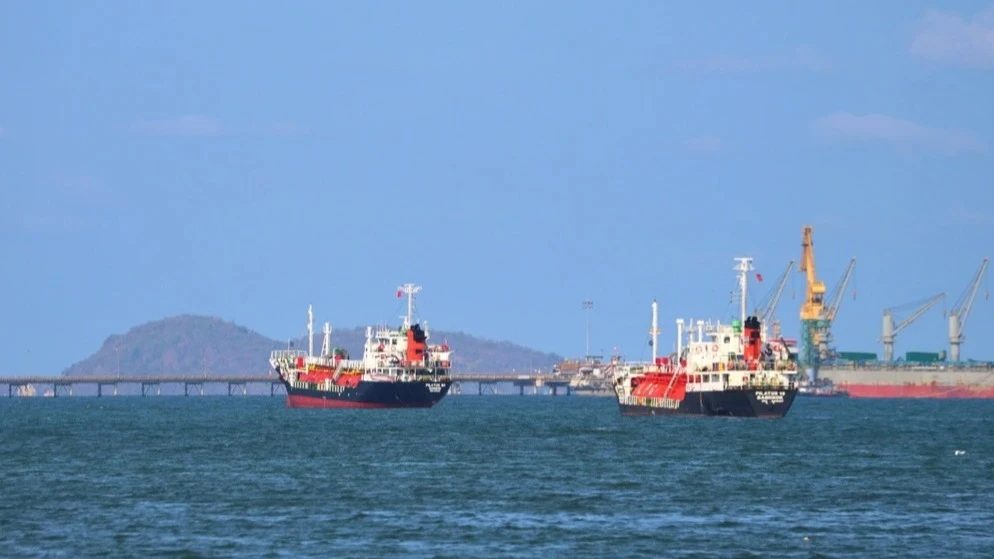
Only a few tankers dared to pass through the Strait of Hormuz this weekend / Photo: somkanae sawatdinak/Shutterstock.com
On the morning of July 20, Brent crude rose nearly 4% and climbed above $91 per barrel for the first time in more than a month. After that, some of the gains were given back, but prices remained above $90—their highest level since mid-June. A barrel of U.S. WTI is trading around $84.
Prices rose following a new escalation in the conflict between the U.S. and Iran, which heightened the threat of supply disruptions through the Strait of Hormuz. Over the weekend, ships attempting to pass through the strait and a key oil facility in Kuwait came under fire, according to Bloomberg. Kuwait reported that it had intercepted Iranian drones.
The U.S. has begun its ninth consecutive day of strikes against Iran. According to the U.S. Central Command, as reported by Bloomberg, the goal is to weaken Tehran’s military capabilities used to attack commercial vessels and civilian sailors. Iran has stated that the ceasefire with the U.S. is effectively no longer in effect.
The conflict, however, goes beyond military objectives. Over the past week, strikes have targeted bridges, public infrastructure, and port facilities. Such an escalation leaves little hope for a quick return to the previous, already fragile ceasefire, Bloomberg notes.
Traffic through the Strait of Hormuz has dropped sharply: on Sunday, only a few ships passed through, one of which caught fire, according to Reuters. According to JPMorgan’s estimates, global oil reserves—excluding China—have fallen to a record low, leaving the market with almost no buffer.
What Analysts Are Saying
“The longer the strait remains closed and the more intense the war becomes, the higher the risk that oil prices will have to rise to around $150 per barrel for demand to fall to a level commensurate with the shortfall in supply,” said Shane Oliver, head of investment strategy at AMP. “This is not our base case scenario, but the risk is high again,” he added (as quoted by Reuters).
Rising fuel prices have reignited inflation fears in the market, according to Reuters. The market now puts the probability of a Fed rate hike in December at 82%, up from 73% a week earlier. The probability of a rate hike as early as September has reached 60%, Reuters reports, citing data from CME FedWatch.
“We still expect the Fed to adopt a more gradual approach to raising rates in 2027, but the balance of risks is shifting toward an earlier rate hike than previously anticipated,” Reuters quoted JPMorgan Chief Economist Bruce Kasman as saying. He also pointed to the regulator’s recent shift toward a more hawkish tone.
The risk that the U.S. Federal Reserve will begin raising interest rates faster than expected has once again pushed the yield on 30-year U.S. Treasury bonds above the psychologically significant 5% mark. Yields at this level typically draw capital away from stocks and into bonds, putting upward pressure on corporate valuations. Gold is considered a hedge against inflation, but rising interest rates also work against it: the higher they are, the greater the opportunity cost of holding an asset that does not generate interest income, notes Reuters.
This article was AI-translated and verified by a human editor