Goldman sees the best conditions for currency carry trades in 26 years
This strategy's returns currently outperform those of gold and Bitcoin

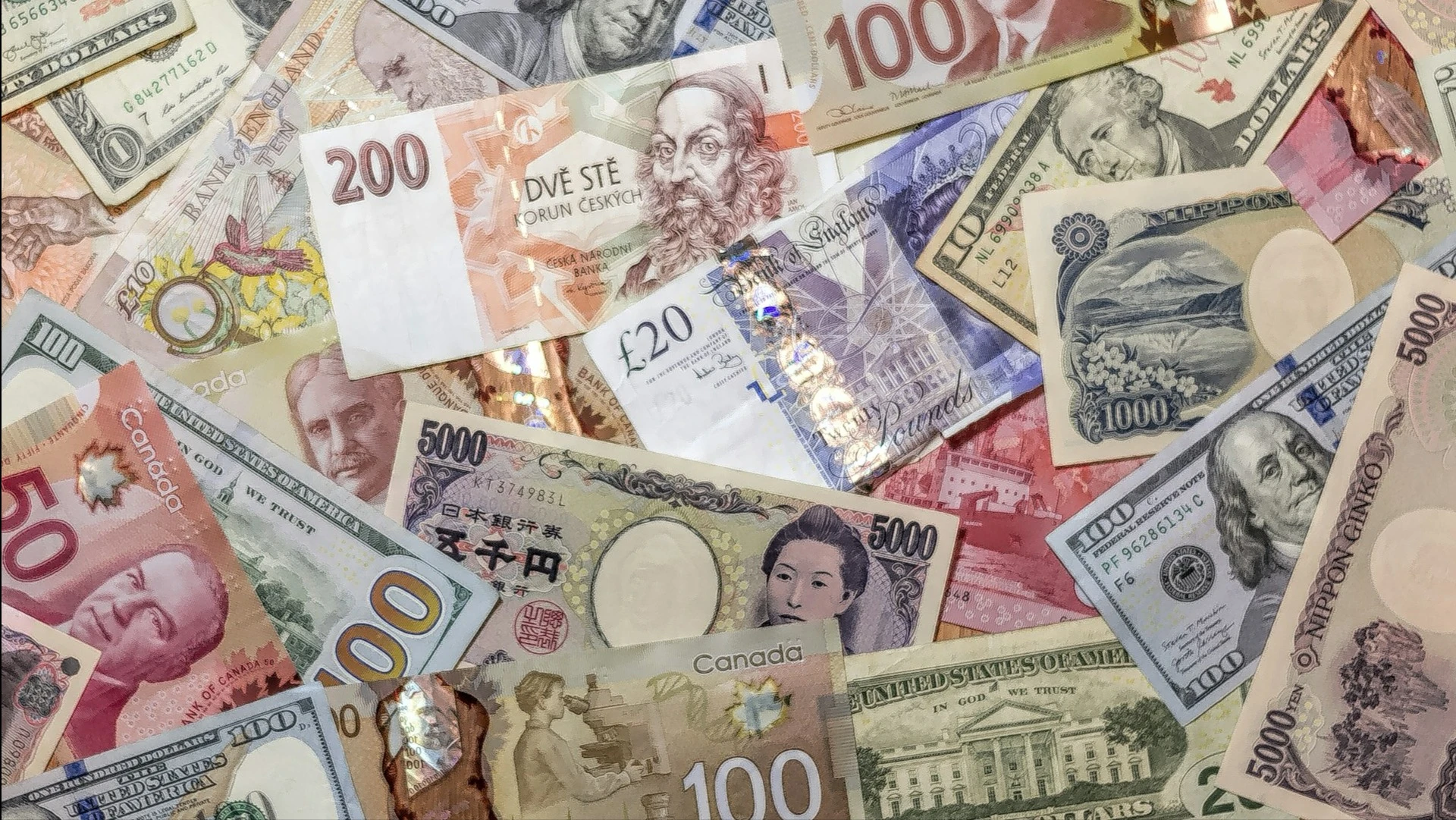
Goldman recommends trading the yen, the Swiss franc, and the euro in the coming months / Photo: Unsplash/John McArthur
Goldman Sachs believes that market conditions are now the most favorable since 2000 for carry trades—a strategy in which investors borrow capital at lower rates to invest in higher-yielding instruments. This is one of the most widely used strategies in the foreign exchange market, which has a daily trading volume of $9.5 trillion, Bloomberg noted.
What Goldman Recommends
Goldman strategist Stuart Jenkins noted that the Japanese yen, Swiss franc, or euro are the best currencies to use for financing transactions in the coming months. He believes that, in the long term, the yen remains the best currency for raising cheap funds. The Japanese currency is currently at a 40-year low against the dollar, and Goldman expects it to weaken further if the macroeconomic backdrop does not change, although it acknowledges the constant threat of intervention by Tokyo.
Among other promising trades, the bank highlights buying the U.S. dollar against the Swedish krona, the euro against the Swiss franc, and the Australian dollar against the New Zealand dollar.
Several factors have contributed to the appeal of the carry trade. Interest rates in major developed economies have settled at high and divergent levels, leading to unusually wide yield spreads, Jenkins argues. At the same time, volatility in the foreign exchange market has fallen to multi-year lows: the relevant JPMorgan Chase index is near its lowest levels since 2020, Bloomberg reports.
As a result, the return on carry trades involving G10 currencies reached about 8% this year—higher than that of global bonds, gold, and Bitcoin, but lower than that of stocks, Bloomberg noted.
There are risks
Bloomberg noted that the carry trade strategy involves significant risks. Profits accumulate gradually, whereas money can be lost in a matter of minutes due to exchange rate fluctuations: a sharp spike in volatility will trigger an avalanche of position closures, which will only intensify the turmoil in financial markets, the agency explained.
In addition, the current lull in the foreign exchange market does not reflect the high level of global economic uncertainty, Barclays analysts warned this week. Their model suggests that volatility is more likely to rise than to continue declining, according to Bloomberg.
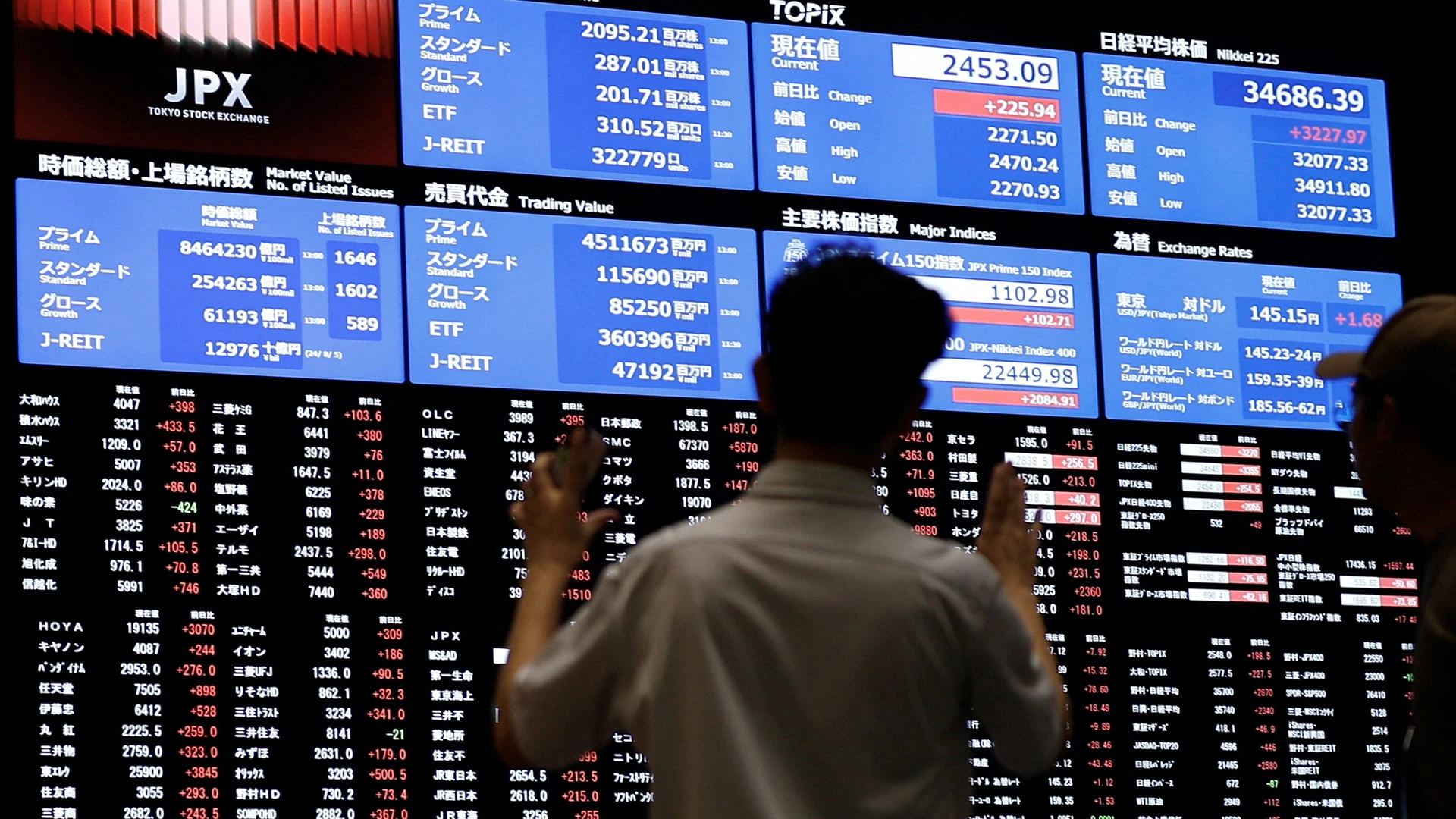
In August 2024, global markets crashed, largely because investors were closing out their carry trade positions—particularly those in which loans for investments in other countries were taken out in Japanese yen.
This article was AI-translated and verified by a human editor