Brent surged to $98. U.S. officials said the nuclear deal with Iran might not go through

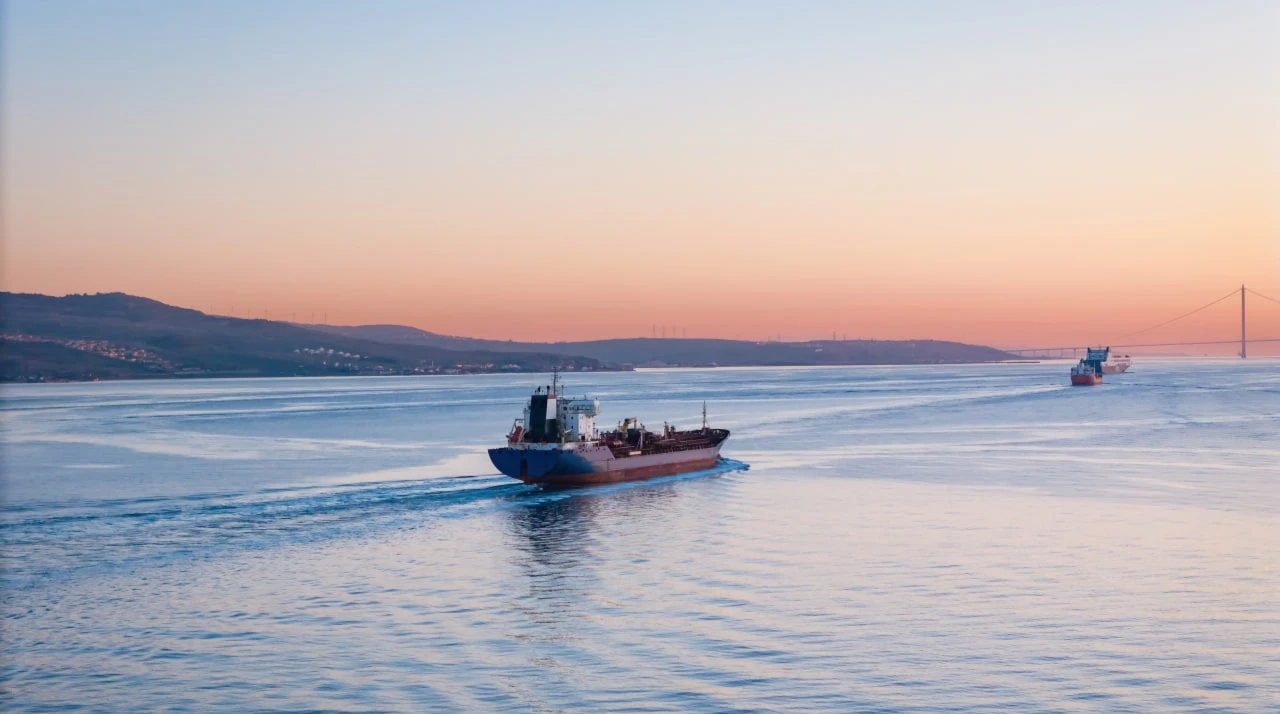
Photo: Leonid Sorokin / Shutterstock.com
Oil prices continued to rise on Monday after the U.S. fired on three Iranian oil tankers over the weekend in response to Tehran’s attack on U.S. military ships—including an aircraft carrier—in the Middle East. The escalation of the conflict has heightened fears of a prolonged disruption in energy supplies from the Gulf states, Reuters reports. U.S. Energy Secretary Chris Wright also warned that a nuclear deal with Iran may not materialize—and that the United States would be forced to continue striking Iranian infrastructure to prevent the development of Tehran’s nuclear program.
Against this backdrop, Brent crude futures rose by more than 1% on September 7 to an intraday high of $97.93 per barrel, while the price of U.S. West Texas Intermediate (WTI) crude jumped to $93. Later, oil prices slowed their rise slightly—at the time of publication, Brent is trading at $97.39, and WTI is at $92.41.
Geopolitical Context
Last week, Brent crude rose 7.8% and WTI rose nearly 10% after the U.S. and Iran resumed attacks on each other’s positions in the Middle East. This led to a further reduction in oil flows through the Strait of Hormuz, through which one-fifth of the world’s oil supplies previously passed.
On Saturday, the conflict continued to escalate: U.S. forces, according to Central Command (CENTCOM), carried out strikes against three Iranian oil tankers, including one off the coast of Khark Island—a key Iranian oil export hub. According to the U.S. military, the attack was launched in response to an attempt by Iran’s Islamic Revolutionary Guard Corps (IRGC) to fire on U.S. warships in the Strait of Hormuz—including one aircraft carrier (all of which avoided damage, CENTCOM emphasized). In response to the U.S. military’s actions, Iran threatened to intensify attacks on American ships in the Middle East.
Saturday’s attacks marked a “significant escalation of the maritime conflict,” according to the maritime intelligence firm Marisks. “Commercial tankers are now being deliberately used as instruments of mutual economic pressure, which significantly blurs the former distinction between military confrontation and commercial shipping,” the company added.
Against the backdrop of a stalemate in negotiations between the U.S. and Iran, U.S. Energy Secretary Chris Wright said that a nuclear deal with Iran may never materialize, according to CNBC. “There may not be a nuclear agreement,” he noted, emphasizing that “perhaps the focus will simply be on eliminating their [Iran’s] capabilities” to continue developing a nuclear program.
What does this mean for the markets?
Over the past 10 days, an average of 10 cargo ships per day have passed through the Strait of Hormuz, the lowest figure since May, according to data from the analytics firm Kpler published on Monday.
"If tanker traffic begins to slow down significantly, the market may price in a much larger supply shock. And there are already signs that this is happening,” noted Priyanka Sachdeva, head of market analysis at Phillip Nova (quoted by Reuters).
This article was AI-translated and verified by a human editor