Buying on a Pullback: Why Tom Lee Isn't Worried About the Jitters Surrounding AI Stock Companies


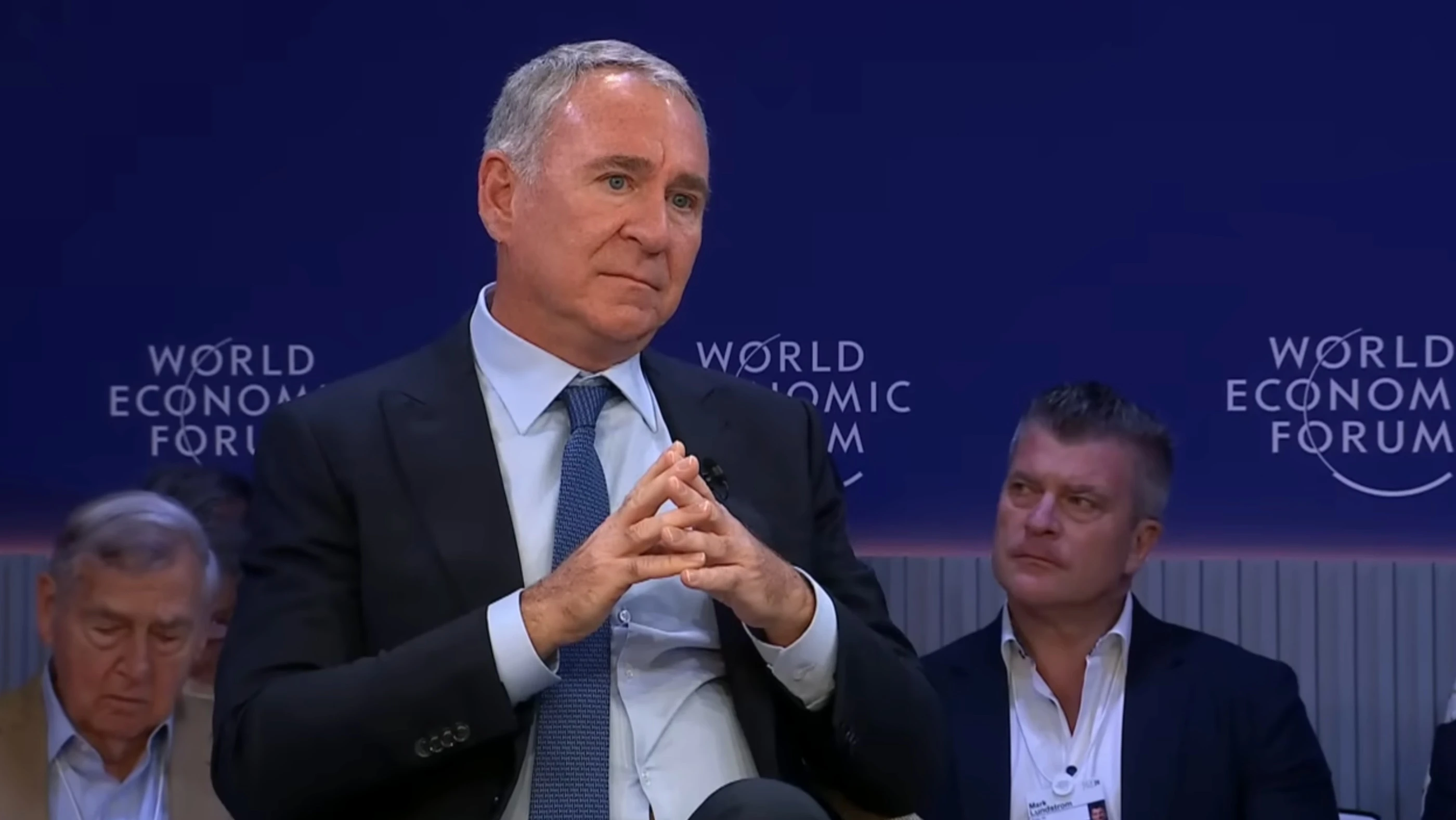
Strategist Tom Lee is looking forward to Nvidia’s CEO’s presentation at GTC Berlin on October 21: this could be a good opportunity to “adjust the course and reset expectations” / Photo: X / fundstrat
Panic has set in on global markets over AI, as the Korean stock market fell below its July lows and “investors began talking about the AI sector’s debt problem.” This was stated by Tom Lee, head of research at Fundstrat, in a video message to clients, as reported by MarketWatch.
Some investors view the South Korean market as a barometer of sentiment surrounding AI. The decline in the index and the stock prices of the country’s largest technology companies, including SK Hynix, has also put pressure on U.S. chipmakers and other AI-related companies. South Korea’s benchmark Kospi index fell 3.7% on October 20, continuing a decline that has lasted for several trading sessions.
Li noted that investors have recently been dealing with what are effectively “two different markets.” From the beginning of October through the close of trading on October 19, the equally weighted S&P 500 index rose 2.56%, while the standard S&P 500—in which companies’ weights depend on their market capitalization—rose by only 0.51%, according to data from Dow Jones Market Data. The latter is dominated by a small group of the largest technology and AI companies. The equally weighted S&P 500 last hit a record high on August 13, while the standard S&P 500 reached its latest record on October 6.
Li remains optimistic about AI company stocks. He compared the current pullback to Cisco’s performance in the early 1990s. In 1993–1994, when the Internet began to take off, shares of this technology company were trading at around $0.80, taking into account subsequent stock splits. Cisco, which supplied routers, became one of the first direct beneficiaries of the Internet’s spread, Lee noted. By early 1997, the stock had risen to about $9 (adjusted for splits), but market tensions were already mounting by that time. Then-Federal Reserve Chairman Alan Greenspan had already warned of “irrational exuberance” in the stock market. Later that year, Cisco’s stock fell to about $5 due to fears of tighter monetary policy, analysts’ cautious forecasts regarding the company’s revenue growth, and intensifying competition in the market for Internet Protocol (IP) networking equipment.
“A year later, Cisco was already trading at $18 after those lows,” Lee said. In 1998, the stock fell again as markets grappled with the fallout from Russia’s default and the collapse of the Long-Term Capital Management hedge fund. As a result, by 2000, Cisco’s price had reached $80 per share—100 times its initial price of $0.80, the strategist noted. “It seems to me that we’re at roughly the same point today. No matter how severe the volatility may be, I believe that everything that’s happening is just a correction, which is why I’m buying shares of AI companies on the dip.”
Li also plans to follow the Nvidia GTC Berlin conference, where the company’s CEO, Jensen Huang, will speak on Wednesday. According to the strategist, the event could be a good opportunity to “adjust the course and reset expectations.” “This is a conference that takes place twice a year, and I think a lot of positive news could come out of it. That’s why I’m still buying on this pullback, especially AI-related stocks,” Li said.
He also highlighted the “impressive” growth in corporate earnings during the current third-quarter earnings season—which currently stands at 23.8%. A large number of earnings reports are expected over the next two weeks, primarily from technology companies: Meta and Tesla will release their results on Wednesday.
According to Li, current market levels appear attractive for buying, in part because hedge funds’ net positioning has fallen to levels not seen since the stock market crash triggered by Trump’s “tit-for-tat” tariffs in the spring of 2025. Last week, some funds automatically reduced their exposure: they cut long positions and increased short positions, that is, they bet on a decline in stock prices. According to Lee, fund managers were likely seeking to “preserve the gains of a successful year.” However, this now leaves funds with “ample room to re-enter the market over time,” Lee added.
This article was AI-translated and verified by a human editor