Democrats' victory is seen as a blow to AI stocks. Why Goldman Sachs disagrees.
Easing election uncertainty and strong corporate results could prompt traders to cover short positions in tech stocks

Sentiment toward AI stocks has been decidedly negative in recent weeks / Photo: Poetra.RH / Shutterstock
Investors have turned decidedly bearish on AI stocks in recent weeks, and the results of the U.S. midterm elections may leave some thinking the sector’s worst fears have come true, MarketWatch reports. Meanwhile, Rich Privorotsky, head of European equities trading at Goldman Sachs, sees it differently. He thinks the Democratic victory could spur companies to accelerate capex.
Details
After the selloff in AI stocks, “the micro remains strong, electoral uncertainty has diminished and positioning looks considerably cleaner,” Privorotsky thinks. He expects short sellers will now have to cover their positions and lock in gains.
Much of the focus among investors before the vote was on whether a Democratic victory would slow data center construction, MarketWatch notes. Investors paid particular attention to the governor’s race in Texas, where about a quarter of all data centers were planned. Republican Governor Greg Abbott lost his reelection bid to Democrat Gina Hinojosa, an outcome that points to potentially tighter regulation for the AI sector.
Privorotsky thinks hyperscalers could move faster and bring investments forward to 2027 to take advantage of current permitting rules before they tighten.
Limits on new infrastructure would also make computing capacity that is already up and running and connected to the power grid more valuable, Privorotsky says. That would benefit companies such as Amazon, Microsoft, and Alphabet, which already have capacity in place.
Delays at some data center projects could hurt chipmakers and power suppliers, Privorotsky acknowledges, though their stocks have already fallen sharply. The PHLX Semiconductor Sector Index, for example, has lost a fifth of its value over the last month.
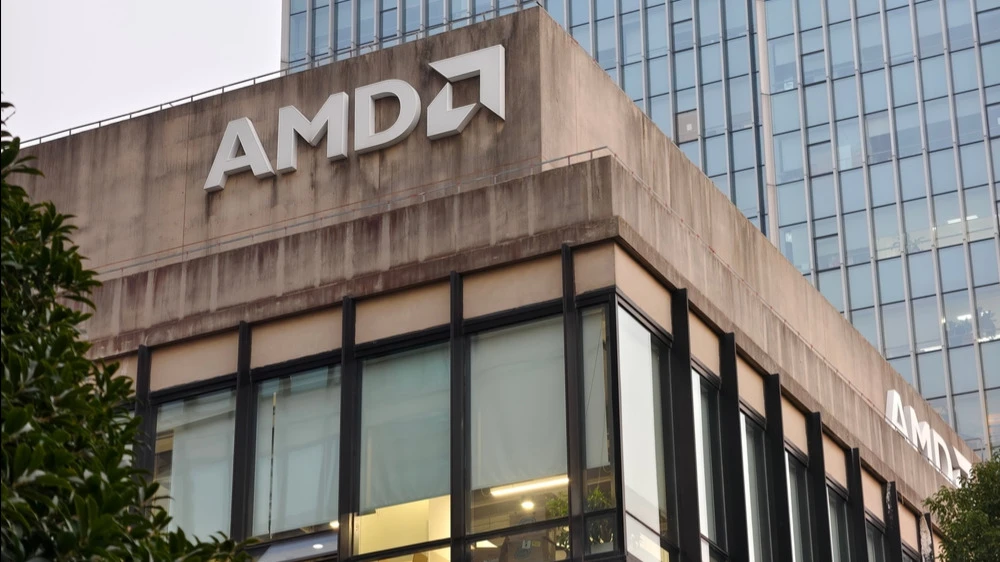
Privorotsky points to AMD’s earnings as evidence that companies are still spending heavily on AI. The chipmaker posted strong third-quarter results, and its fourth-quarter guidance implies revenue growth of 27% quarter over quarter. Limits on equipment supply are more likely to keep prices high for longer than to curb demand, he says.
Even if companies ordered more infrastructure than they needed as a hedge against delays, Privorotsky thinks that risk is already priced into their stocks. The picture is more complicated for cloud providers such as Nebius and CoreWeave, where much depends on whether computing capacity is under contract or already in place.
Privorotsky also expects market volatility to ease soon. The VIX, Wall Street’s so-called fear gauge, is unlikely to stay elevated now that the elections are over and uncertainty has receded. Stocks have historically risen when the gauge falls. Privorotsky expects AI-related stocks to drive those gains, given that they account for almost half of the major indexes.
Context
Investors were discussing the risks a Democratic victory could pose to the tech sector before the elections. Ben McMillan, chief investment officer at IDX Advisors, warned that opposition to data center construction was becoming a core issue for Democrats and posed a real threat to AI stocks. Evercore ISI analysts said federal AI regulation was unlikely to tighten quickly as long as Trump remained president, even if Democrats gained control of Congress. They singled out the governor’s race in Texas, where Abbott had previously imposed a temporary moratorium on approvals for new data centers. BlackRock CEO Larry Fink has warned that a halt to U.S. data center construction could trigger a recession because a significant part of the economy already depends on that spending.