Dreams, fiction and echoes of the dotcoms: what investment gurus are saying about the SpaceX IPO
Wall Street stars - from shortstop Michael Burry to Tesla fan Cathie Wood - on whether Elon Musk's space ambitions are worth investing in during the placement phase of the

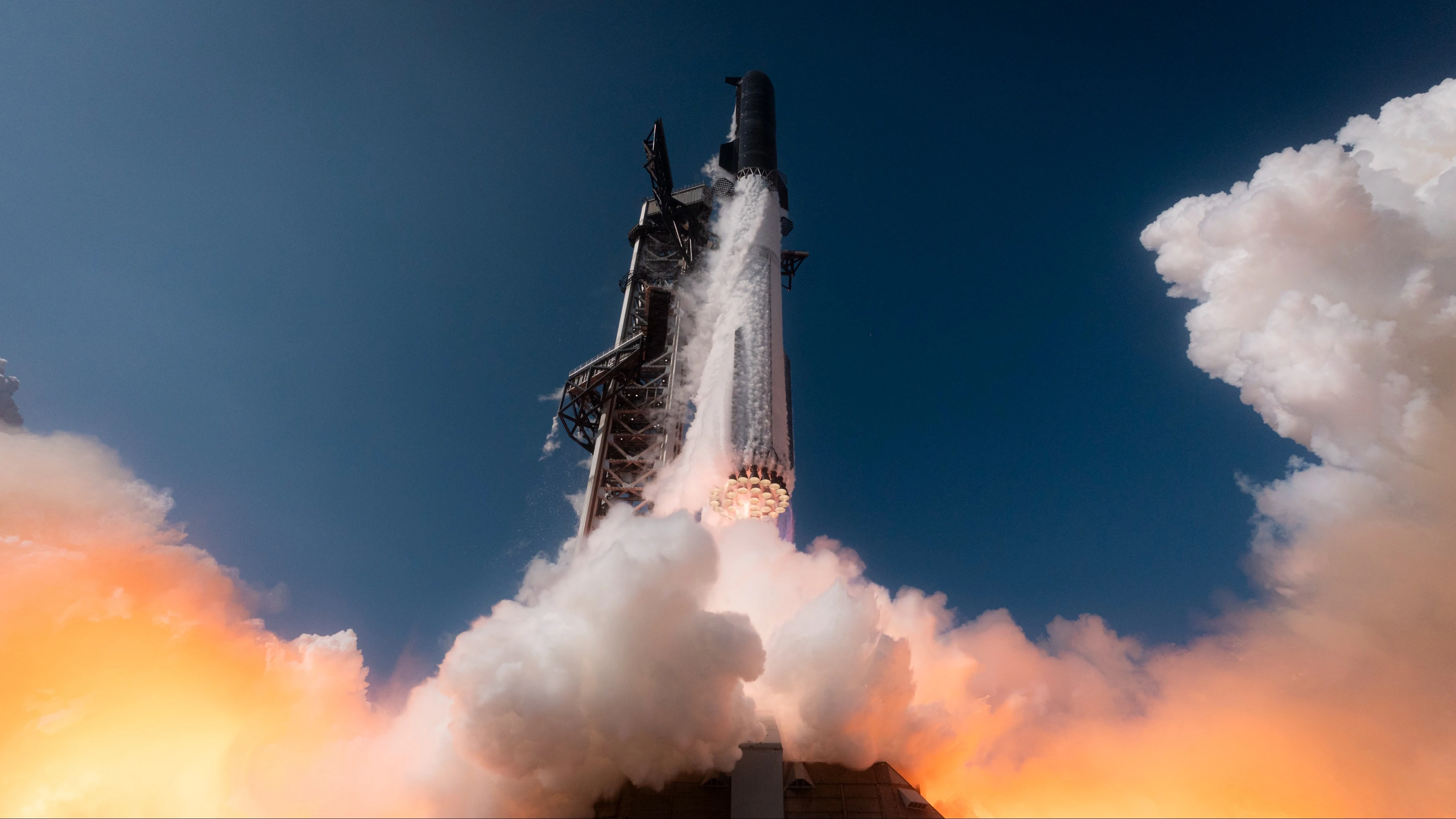
Some seasoned investors prefer to stand on the sidelines of potentially the largest offering in history / Photo: X / SpaceX
SpaceX's IPO claims to be the largest offering in history. Some market gurus believe it will create a rare opportunity to invest in Starlink satellites, low-cost space launches and AI infrastructure. For others, the offering is an example of hype, where investors are being asked to pay for overly bold scenarios. Oninvest has collected the opinions of prominent investors who have different views on this deal.
Michael Burry: the valuation is riding on hype.
Cult shortstop Michael Burry, known as the prototypical character in the 2008 crisis movie "The Downgrade," is skeptical of the SpaceX IPO. He sees the company's IPO as part of a new wave of megaplacements that reminds him of the peak of the Internet boom.
He estimates that, adjusted for inflation, the IPOs of SpaceX, OpenAI and Anthropic could raise as much or more than the more than 300 IPOs of Internet and technology, media and telecommunications companies in 2000. The hype surrounding the 2000 IPOs was quickly followed by a reversal as investor interest in the technology sector began to wane.
Steve Eisman: "I'm not thrilled."
Steve Eisman, also featured in "The Downgrade Game," thinks SpaceX's valuation is inflated. He points out that SpaceX itself, in its IPO prospectus, estimated its potential market at a record $28.5 trillion.
"The $28.5 trillion market is almost as big as the entire U.S. GDP. SpaceX's IPO prospectus reads like a science fiction novel"

According to Eisman, 85% of SpaceX's stated potential market is in AI. That's what the company's jump in capital expenditures is related to, the investor notes. In fiscal 2023, when SpaceX had only Starlink projects and space launches, costs were 42% of revenue; in the most recent first quarter, they were already 215%. The company's growth is tied to a direction that requires more and more investment, with Musk's AI, Eisman says, not yet looking cutting-edge.
"I have absolutely no interest in shorting this stock - I'm just staying on the sidelines. It's not a story I'm willing to believe."

Louis Navellier: it's better to wait it out
Louis Navellier, founder of Navellier & Associates, says the hype around the SpaceX IPO reminds him of the situation around Facebook's 2012 offering.
"It was the biggest Wall Street event in decades. Shares were floated at $38. But by August, they were trading around $17.5, having lost 50% of their value. That's what the fear of lost profits led to."
According to Navellier, a similar hype is forming around SpaceX now. He advises investors to wait until the situation stabilizes and only then decide to invest in SpaceX.
Bill Ackman: venture capital betting.
Bill Eckman, founder of Pershing Square Capital Management, treats SpaceX like a venture capital investment: first evaluating the team, the size of the opportunity, and the market context, and only then looking at the entry price.
"If you take people - at SpaceX they are one of a kind. In terms of potential, there is no equal. The context is unbelievable. In general, humanly speaking, I feel sorry for Blue Origin [Jeff Bezos], but it doesn't hurt SpaceX in any way. The fact that their main competitor is so far behind plays to their advantage"
According to him, in such a deal, an investor should look at SpaceX on a five-year horizon: what the company will become, how the Starlink satellite network will develop and how much the value of low-cost space launches will grow. At the same time, Ekman says that he has not yet calculated the current value of SpaceX, but has already invested in social network X and AI startup xAI.
Cathie Wood: betting on Starship.
ARK Invest founder Cathie Wood expects strong demand for SpaceX shares after the IPO. She attributes the company's potential primarily to the Starship reusable super-heavy rocket project. If Starship launches become regular, the cost of delivering cargo to orbit could drop by a factor of 10. This radically changes the scale of the market for the satellite project Starlink: if a few years ago ARK estimated it at about $34 billion, now SpaceX points to the potential of $1.6 trillion.
According to Wood, interest in SpaceX stock in the private market already exceeds the estimated IPO size of $75-85 billion. She believes that if investors begin to value SpaceX through the potential for Starlink network expansion, orbital data centers and missions to the moon and Mars, it could support demand for the company's stock.
Jim Chanos: IPO of Hopes and Dreams
Interest in SpaceX stock is fueled primarily by investor enthusiasm for Musk and artificial intelligence rather than financial performance, according to noted short-seller Jim Chanos.
"SpaceX is going to IPO for $75 billion at a total valuation of about $2 trillion, and we're talking about a company with $19 billion in revenue and negative free cash flow. It's a pure hope-and-dream IPO."
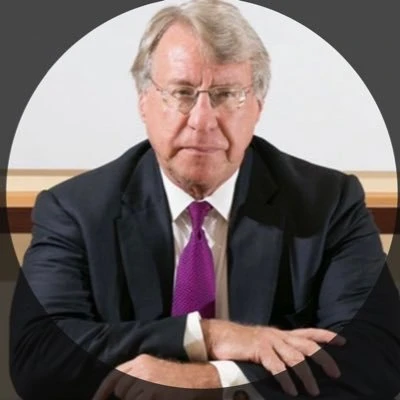
SpaceX enters the market at a much higher valuation than electric car maker Tesla: while Tesla's price tag is roughly 14 projected annual revenues, SpaceX enters the market with a multiplier at 90.
Chanos believes its existing businesses, including satellite internet service Starlink, fit the "couple hundred billion dollar" valuation. At the same time, he did not claim that he would immediately open a short position in SpaceX shares.
This article was AI-translated and verified by a human editor