Four causes for concern: what could mar SpaceX's largest placement ever
SpaceX's IPO could resemble the debut of the publicly traded Facebook, Business Insider admits

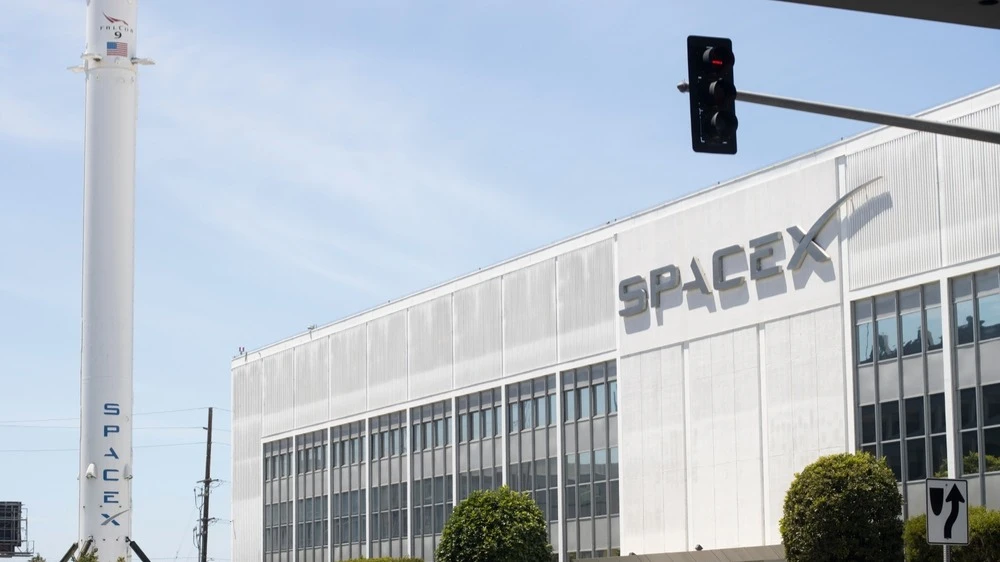
SpaceX IPO may resemble Facebook's debut / Photo: Tada Images / Shutterstock
Aerospace company SpaceX is preparing to begin trading on the stock exchange on Friday, June 12, after a historic IPO, following which its valuation could reach $1.75 trillion. Against the background of unprecedented excitement in the market are increasing fears of investors, writes Business Insider and draws parallels with another high-profile technological debut - the release of Facebook on the stock exchange in May 2012. That listing resulted in a prolonged fall in quotations.
Mark Zuckerberg's company floated at $38 per share, and in the following months the capitalization collapsed by 50%. Investors were scared off by the exorbitant valuation tied to an unproven business strategy, the publication recalls.
It highlighted four factors that could trigger a drop in SpaceX stock after the stock debut.
Betting on retail investors to the detriment of institutional investors
Like Facebook, which in 2012 allocated an atypically high share of 15% to private traders, SpaceX is reserving 30%, expecting strong demand from this category of market participants, notes Business Insider. Skeptics argue that the bet on private investors is designed to compensate for weaker interest from large funds, the publication writes.
Meanwhile, the sentiment among retail traders is similar, it notes. In recent weeks, online forums have been flooded with commentary about fears of being left with the stock after a price drop or of so-called exit liquidity for early investors. These discussions intensified when SpaceX and retail brokers began expanding access to IPOs to ordinary investors, the publication says.
Unproven business strategy
Market participants have doubts about how exactly SpaceX will be able to implement its plans, which include building orbital data centers, mining on asteroids and creating lunar electromagnetic catapults. This is rather reminiscent of science fiction novels, Business Insider ironizes.
The company expects to occupy more than a fifth of the global computing market. Morningstar analysts estimate the probability of such a scenario at only 7%. In their opinion, by 2040, SpaceX is likely to gain only 4% of the global share. "This project requires the implementation of a number of unproven engineering solutions to succeed, but SpaceX is better prepared than others to realize it," recognized Morningstar.
Overestimate
Before going public, Facebook's valuation had been rising steadily until it became clear to investors that its fundamentals did not justify it, the publication says. According to the results of the listing, the capitalization of Mark Zuckerberg's company reached $104 billion, and net profit in the previous year amounted to $1 billion. At this ratio, Facebook was more expensive than other technology players, which at that time earned much more - for example, Google or Apple, writes Business Insider.
SpaceX will go public with a valuation close to $2 trillion, and will immediately become one of the largest companies in the world, despite the fact that last year recorded a loss of $5 billion, the publication points out. Only the most optimistic forecast of further dynamics will allow SpaceX to approach the IPO price, according to Morningstar.
Restricted free float and insider sales
The volume of SpaceX shares in free float (free float) analysts call "paltry". It is about 5% compared to almost 100% of other mega-capitalized technology companies, Business Insider reports. This is fraught with increased volatility immediately after the start of trading. Strong price swings often discourage long-term investors and, conversely, attract speculators. At the same time, in the coming months, as the restrictions on the sale of securities by insiders (lock-up period) expire, the market will receive an additional volume of securities, which may increase the pressure on quotations, the edition explains. And here again it sees a parallel with Facebook.
"Facebook initially offered only a small portion of its shares, locking up the rest for up to a year. It was only when this additional offering hit the market that the value of the securities found its fair level," said Benedict Wick, a professor of finance at Washington and Lee University. He added that the SpaceX situation is similar but on a much larger scale. "Initially, less than 5 percent of the stock is being offered. Additional securities will only be issued to the public gradually over the next few months. The real test will only come after the lock-up periods expire," he said.
This article was AI-translated and verified by a human editor