European stocks fall more than 1% after Trump's statements on Iran
Stoxx 600 loses ground despite recovery earlier in the week

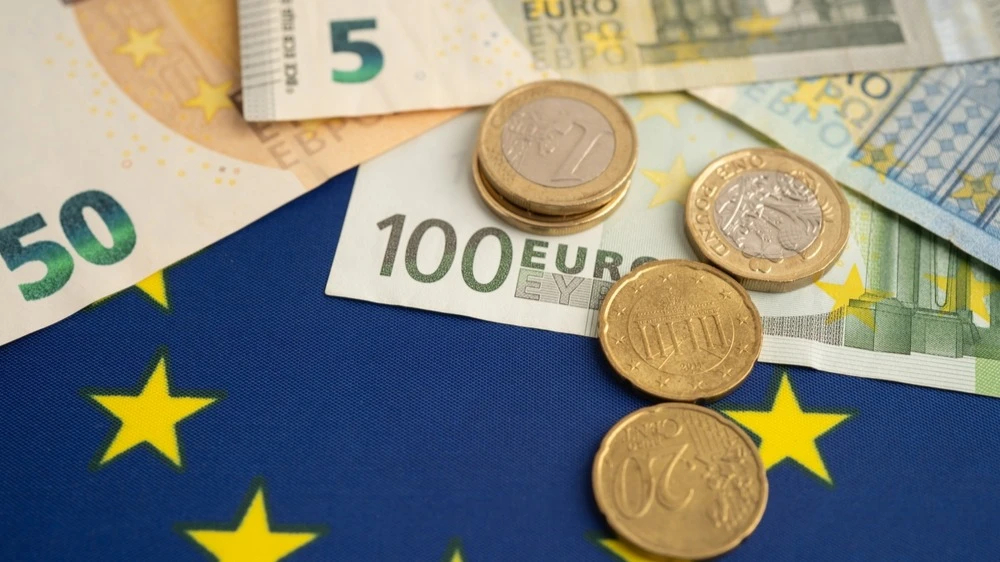
European stocks opened lower on April 2: fears of an escalation of war between the U.S. and Iran once again gripped global markets / Photo: Freshystock/Shutterstock
European stocks opened sharply lower on Thursday, April 2, as fears of a further escalation of the war between the United States and Iran once again gripped global markets, Reuters writes. In an address to the nation on the evening of April 1, US President Donald Trump said he expects the conflict to continue for another two to three weeks, during which US forces will strike Iran "extremely hard."
Against this background, shortly after the opening of trading on Thursday, the pan-European index Stoxx 600 declined by 1.2%. Nevertheless, at the end of the week, the index still retains chances for growth, emphasizes Reuters. On April 1, the Stoxx 600 jumped more than 2% after Trump announced the previous day that he would soon end hostilities with Iran, but his new announcements turned the market in the opposite direction - down.
The fall in the Stoxx 600 on April 2 was led by the technology sector, sagging nearly 3%, Reuters noted; while mining stocks fell 2.7% following a drop in precious metals prices (gold lost 2.5% amid Trump's statements and is at $4640 an ounce).
Other European stock indices on April 2 are also in the "red" zone. French CAC 40 index in the first minutes of trading fell by 1.01% (later it slowed down to 0.91%), Italian FTSE MIB fell by 1.08%, and British FTSE 100 - by 0.19%. Germany's DAX showed a 1.47% drop, while Spain's IBEX 35 fell by 1.1%.
"I don't think there was much new in [Trump's] speech itself, except for the fact that they [the U.S.] are going to keep bombing for the next two to three weeks," said Electus Financial director Mike Houlihan. "That pushes back the timeline for resolving the situation. It begs the question: since the deadlines have been extended, won't that increase the pressure on the fuel supply chain?" - he wondered(quoted by Reuters).
European investors are also reacting to reports on April 2 that the Trump administration is preparing new duties on pharmaceutical companies that have not gone along with deals to secure low drug prices in the U.S., CNBC writes.
This article was AI-translated and verified by a human editor