FDA decisions and clinical data due by end-June for handful of biotech small caps


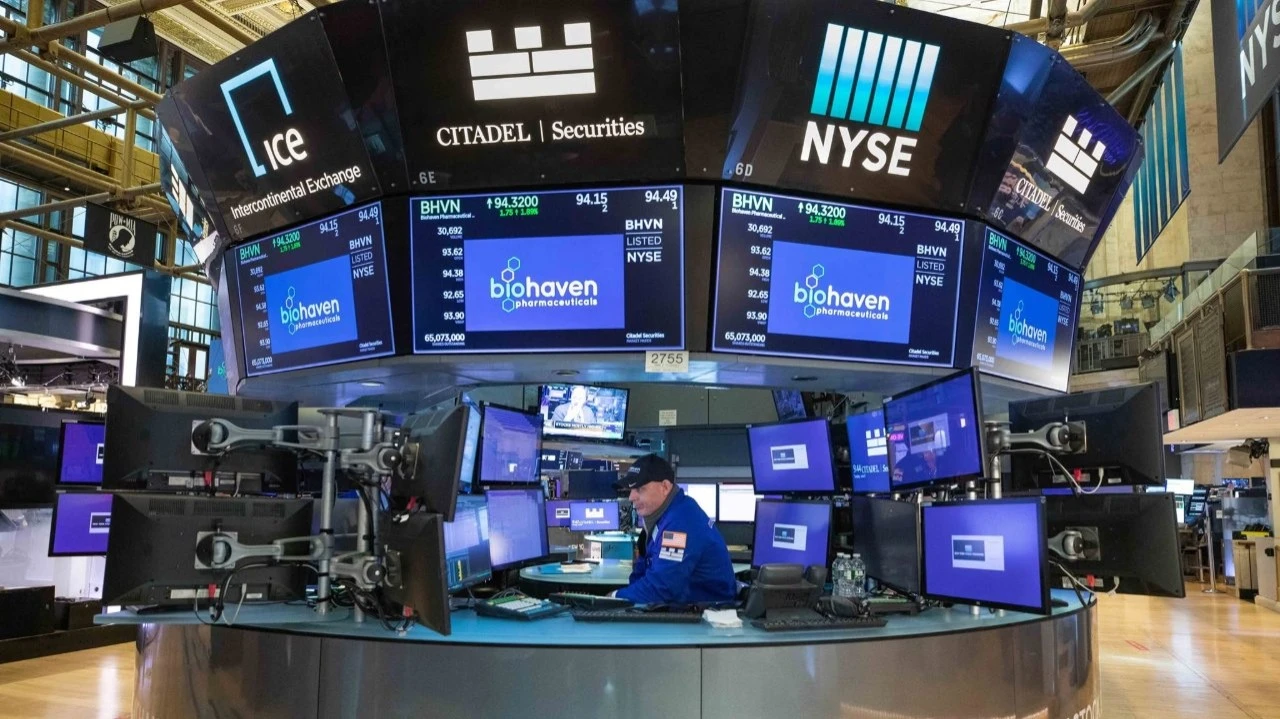
Biotech small caps are prone to sharp moves on clinical-trial results and other news flow events / Photo: Shutterstock.com
Since the start of last year, the SPDR S&P Biotech ETF (XBI) – one of the main benchmarks for the biotech space – has gained 35.9%. The fund tracks the S&P Biotechnology Select Industry Index and, thanks to its more balanced weighting, provides a good reflection of the performance of small- and mid-cap stocks.
For the biotech sector, share-price performance is often driven less by broader market factors than by company-specific events. In the coming weeks, investors will be watching out for regulatory decisions and clinical-trial results – events that frequently serve as the main catalyst for biotech stocks to rise or fall.
Bloomberg Intelligence's June catalyst calendar (seen by Oninvest) is packed with FDA decisions and clinical-trial readouts. Among upcoming events in the smid-cap segment, investors may want to pay attention to those of the following names.
Spero Therapeutics (June 18)
Achieve Life Sciences (June 20)
Viridian Therapeutics (June 30)
MBX Biosciences (Friday/Saturday)
Intellia Therapeutics (Saturday)
What these five stocks have in common is that their investment case rests not on current profitability, but on the outcome of a specific catalyst. This approach may appeal to investors willing to tolerate high volatility and the characteristic dynamics of the sector, where prices often move sharply on news flow and clinical results.
Achieve Life Sciences (ACHV)
Achieve Life Sciences is developing cytisinicline, a treatment for smoking cessation and, potentially, e-cigarette cessation. In the first quarter, the company generated no revenue, but reduced operating expenses to $10.5 million from $12.9 million a year earlier and narrowed its net loss to $10.2 million from $12.8 million.
In April, the company announced a private placement worth up to $354 million (versus $29.3 million previously on its balance sheet), securing funding for the ORCA-V2 trial, commercial-launch preparations, and the transition of manufacturing to the U.S.
If approved, cytisinicline could become the first new FDA-approved smoking cessation therapy in more than two decades. Notably, the company expects to receive a Complete Response Letter from the FDA related to issues involving its former manufacturing contractor rather than the drug itself, after which it plans to resubmit its New Drug Application in the fourth quarter.
In May, Jones Trading assigned Achieve Life Sciences a "buy" rating with a target price of $20 per share, around 250% above its current share price. The stock currently has eight Wall Street analyst ratings, all of them "buy," according to MarketWatch data. The average target price is $13.10 per share, implying upside of more than 100%.
Viridian Therapeutics (VRDN)
Viridian Therapeutics develops treatments for thyroid eye disease, a condition in which inflammation of tissues surrounding the eyes can significantly impair quality of life. In the first quarter, the company generated a modest $140,000 in revenue, reported a net loss of $104.9 million versus $86.9 million a year earlier, and held $762.2 million in cash, cash equivalents, and short-term investments.
The main catalyst for the stock is the FDA's decision on veligrotug, expected on June 30. If approved, it could become the company's first commercial product. At the same time, Viridian is advancing elegrobart, a subcutaneous self-injection therapy. In May, the company reported REVEAL-2 trial data showing proptosis responder rates of 50-54% versus 15% in the placebo group.
On May 5, RBC Capital Markets raised its target price on the stock to $34 per share and maintained an "outperform" rating. The stock has 16 "buy" ratings and one "hold" rating from Wall Street analysts. The average target price is $33.90 per share, around double Wednesday's closing price.
MBX Biosciences (MBX)
MBX Biosciences is an early-stage biotech company focused on endocrine and metabolic diseases. The two programs attracting the greatest investor interest are canvuparatide for chronic hypoparathyroidism and MBX 4291 for obesity.
In the first quarter, the company held $440 million in cash, cash equivalents, and investments, which the management believes should fund operations into 2029. R&D expenses declined to $18.5 million from $22.41 million a year earlier, while the net loss was largely unchanged at $23.6 million.
The next catalyst is canvuparatide, a once-weekly parathyroid hormone analog. At the ENDO 2026 conference on Friday, the company plans to present phase II trial results and one-year follow-up data, while phase III initiation is expected in the third quarter.
In May, the company released initial data for MBX 4291, an obesity treatment targeting GLP-1 and GIP pathways. However, more important 12-week data are expected in the fourth quarter.
Citizens JMP raised its target price for the stock to $86 per share, while Barclays increased its TP to $70 per share, implying upside of about 178% and 125%, respectively, versus the current share price. The stock has 11 "buy" ratings and one "sell" rating from analysts. The average target price is $69 per share.
Spero Therapeutics (SPRO)
The key catalyst for Spero Therapeutics is the FDA's decision on tebipenem HBr on June 18, as the company's valuation is largely tied to the probability of the drug reaching the market. Tebipenem HBr is an oral carbapenem antibiotic that could potentially replace some intravenous treatment regimens for complicated urinary tract infections. In December, the company's partner, GSK, resubmitted a New Drug Application for the treatment of complicated urinary tract infections, including pyelonephritis.
The application is based on results from the PIVOT-PO trial, which compared tebipenem HBr with the intravenous antibiotic imipenem-cilastatin. The study was halted early in May 2025 following an interim analysis that demonstrated the drug's efficacy.
According to MarketWatch data, the company currently has only one analyst rating – a "hold" – with a target price of $4 per share, implying upside of almost 58% from the Wednesday close.
Intellia Therapeutics (NTLA)
Intellia Therapeutics develops treatments based on CRISPR gene-editing technology. Its most advanced program is lonvo-z (lonvoguran ziclumeran), a one-time gene-editing therapy designed to prevent hereditary angioedema attacks.
In the first quarter, Intellia reported positive results from the HAELO trial: the therapy reduced attack frequency by 87% versus placebo, while 62% of patients remained attack-free and required no additional therapy. Intellia has already initiated a rolling Biologics License Application submission and expects to complete it in the second half of this year. A potential U.S. launch is anticipated in the first half of 2027.
The next catalyst will be data that Intellia plans to present on Saturday at the EAACI Congress allergy conference. While this is not a regulatory decision, it remains an important event for the investment case, as the market will receive more detailed information on the efficacy and safety of one of the most advanced CRISPR-based therapies in development.
Analyst views vary significantly. Jones Trading rates the stock a "buy" with a target price of $29 per share, while JPMorgan has maintained an "underweight" rating and a target price of $8 per share. Overall, the stock has 11 "buy," eight "hold," and two "sell" ratings, according to MarketWatch data. The average target price is $26.60 per share, implying upside of more than 100%.
This text is for informational purposes only and does not constitute personalized investment advice.