Wave of stalled IPOs rolls on as major Australian listing collapses
The failed offering by Firmus, an Australian data center operator, is an ominous sign for other firms preparing to go public

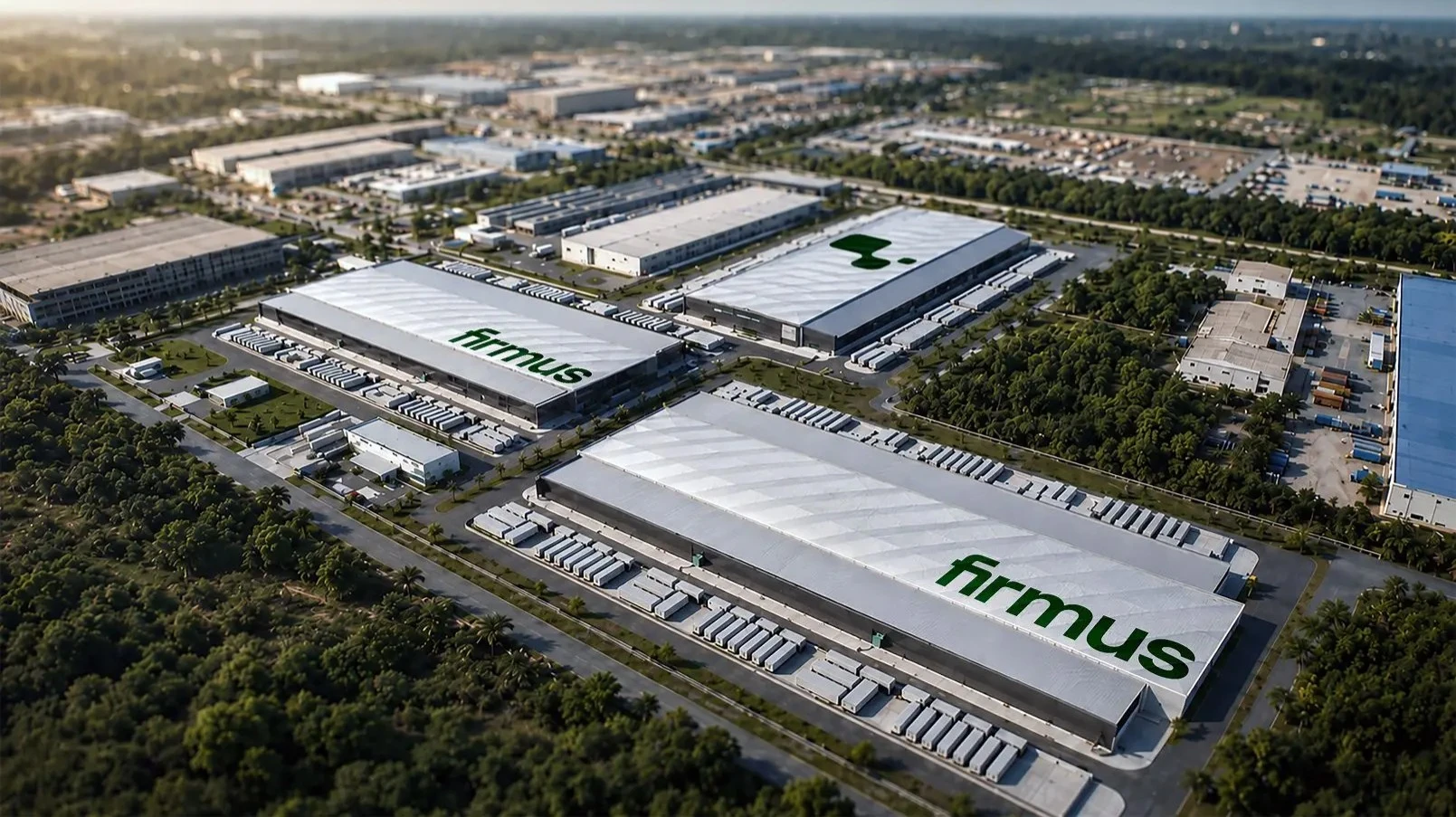
Nvidia-backed Australian data center operator Firmus Grid has withdrawn its planned IPO / Photo: Firmus
Australian data center operator Firmus Grid, which is backed by Nvidia, has withdrawn its planned IPO, citing market volatility and conditions, CNBC reports. The listing would have been the second largest in Australian history, but Firmus failed to attract international investors, who have grown increasingly wary of frothy AI valuations, Bloomberg explains.
Details
Firmus said the proposed offering terms did not adequately reflect the strength of its business and long-term growth outlook, according to CNBC. “The board therefore concluded that proceeding with the offer was not in the best interests of the company and its shareholders,” the company stated. “Firmus will now pursue capital from the private markets and consider alternative public and private market options.” The start-up’s business model hinges on a steady influx of fresh capital, Bloomberg notes.
This was a dramatic about-face for the company, which just days earlier had signaled healthy demand for a deal that would have valued it at more than $30 billion. Less than three months ago, it was valued at $10.5 billion.
Firmus Grid was looking to raise as much as $5.5 billion in its IPO. The book closed as scheduled on Thursday morning, but the offer failed to generate sufficient demand, sources told Bloomberg. Potential investors were unconvinced that such a sharp increase in the company’s valuation was justified given that it had yet to prove its business model and generated revenue of just $51 million in fiscal 2026, Bloomberg writes. Investors were also concerned that existing shareholders could flood the market with stock soon after the debut, according to Bloomberg’s sources.
What is going on in the IPO market?
The IPO’s cancellation is a stark example of investor pushback against what some see as overly generous financing terms for AI companies, as borrowing costs rise worldwide and uncertainty persists over the technology’s long-term returns, Bloomberg reckons.
“Investors just weren’t prepared to pay a sky-high price up front for capacity that’s still largely on the drawing board,” said Josh Gilbert, lead analyst for APAC and Middle East at eToro. “The timing hasn’t helped either, with higher yields lifting borrowing costs and shrinking what investors will pay today for earnings that sit years down the track.”
UniSuper, one of Australia’s biggest pension funds, was among the institutional investors that did not participate in the IPO process, Bloomberg reported. “We think that Firmus indeed has a compelling story. It just doesn’t have a compelling valuation,” the fund’s chief investment officer, John Pearce, said. “So much has to go right to justify the valuation.”
Investors are becoming increasingly selective as they await major deals such as Anthropic’s IPO. That caution has already affected several IPOs: in September alone, four companies from different industries that were seeking to raise at least $50 million canceled or postponed their listings, including Bamboo Insurance and Holtec Nuclear, as well as industrial manufacturer Amaero and smart-ring maker Oura.

IPO outlook
The failed IPO has sent a warning signal to other companies preparing to go public, especially following a string of disappointing debuts by AI infrastructure companies, Bloomberg writes. “The bear case is having a moment, because the cost of capital has become unhinged and equities with long duration are taking a hit, so the set up in the short term is challenging,” warns Roundhill Investments CEO Dave Mazza.
Several companies are already dragging their feet after publicly filing paperwork with regulators. AI cloud computing provider Nscale and SoftBank-backed AI data center and power infrastructure developer SB Energy filed for U.S. listings last month but have yet to begin marketing their respective deals to investors.
About Firmus
Much of Firmus’ valuation was based on the assumption that the company would successfully build a network of data centers across Asia to serve customers such as Meta Platforms and OpenAI, Bloomberg writes. The company began as a bitcoin mining operation in Australia in 2019 before pivoting to Asia’s rapidly growing AI infrastructure market.
Firmus has a pipeline of planned projects totaling 912 MW, but only 46 MW has been built, according to investor documents seen by Bloomberg. The company has signed several deals with major customers and secured $2 billion in investment commitments from a pool of investors including Nvidia and Blackstone.
In September, Firmus announced agreements with Meta. The company will provide GPU computing capacity at its Asian AI data centers, built on Nvidia’s DSX platform, to support Meta’s AI research, model development, and training.