Goldman and Deutsche Launch "Bond Baskets" Ahead of the French Elections — Bloomberg


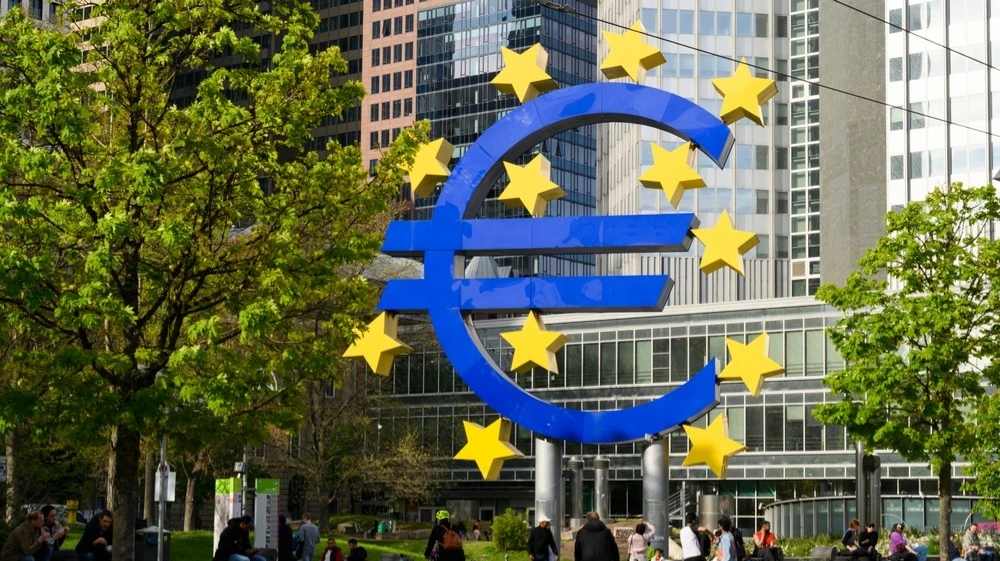
Ahead of the 2027 presidential election in France, Goldman Sachs and Deutsche Bank have begun offering investors baskets of French bonds / Photo: AlexAnton/Shutterstock
Ahead of the 2027 French presidential election, Goldman Sachs and Deutsche Bank have begun offering investors baskets of French bonds, including the riskiest bank debt, Bloomberg reported, citing sources. These instruments will allow investors to profit from different election outcomes or hedge against the associated risks, the agency notes.
Baskets allow investors to open long or short positions in portfolios of securities—including Additional Tier 1 (AT1) bonds, the riskiest type of bank debt—without directly owning the underlying assets. Investors gain exposure to the risk by trading the underlying bonds or through derivatives such as total return swaps, sources told the agency.
The political situation in France has already begun to directly affect credit markets: over the past month, risk premiums on French bank bonds have risen across most of the yield curve, although spreads in the broader AT1 market have mostly narrowed, according to Bloomberg.
Why Do Banks Use Credit Baskets?
Goldman Sachs is actively engaged in the growing credit basket market, according to Bloomberg. Previously, the bank, along with JPMorgan Chase, structured deals that allowed for indirect exposure to the private lending market through insurers, which are among the largest holders of this asset class. The banks also formed portfolios of public companies related to private lending.
Germany's Deutsche Bank will officially launch its own credit basket platform next month, but is already structuring similar deals based on individual requests, according to Bloomberg. Such instruments do not reflect the trading divisions’ own positions and are used exclusively to execute client transactions, the agency noted.
"These portfolios were not created specifically in response to current events, but they are available to clients who wish to implement different perspectives on the situation," said Sean Flanagan, head of investment solutions at Deutsche Bank, in a Bloomberg report.
A Goldman Sachs spokesperson declined to comment to the news agency.
Why Is This Important?
Political risk in France is becoming a key factor for investors, according to Bloomberg. The main question is how President Emmanuel Macron’s successor will handle a budget deficit of over 5%, rising debt-service costs, and an economy on the brink of recession.
“Economic growth in France is slowing, fiscal policy remains unstable, the momentum for reform has stalled, and the political outlook is simply daunting,” note economists at Berenberg.
This article was AI-translated and verified by a human editor