Google will launch AI chips into space on a SpaceX rocket. Will they compete in orbit?
SpaceX is already sending Amazon chips into space

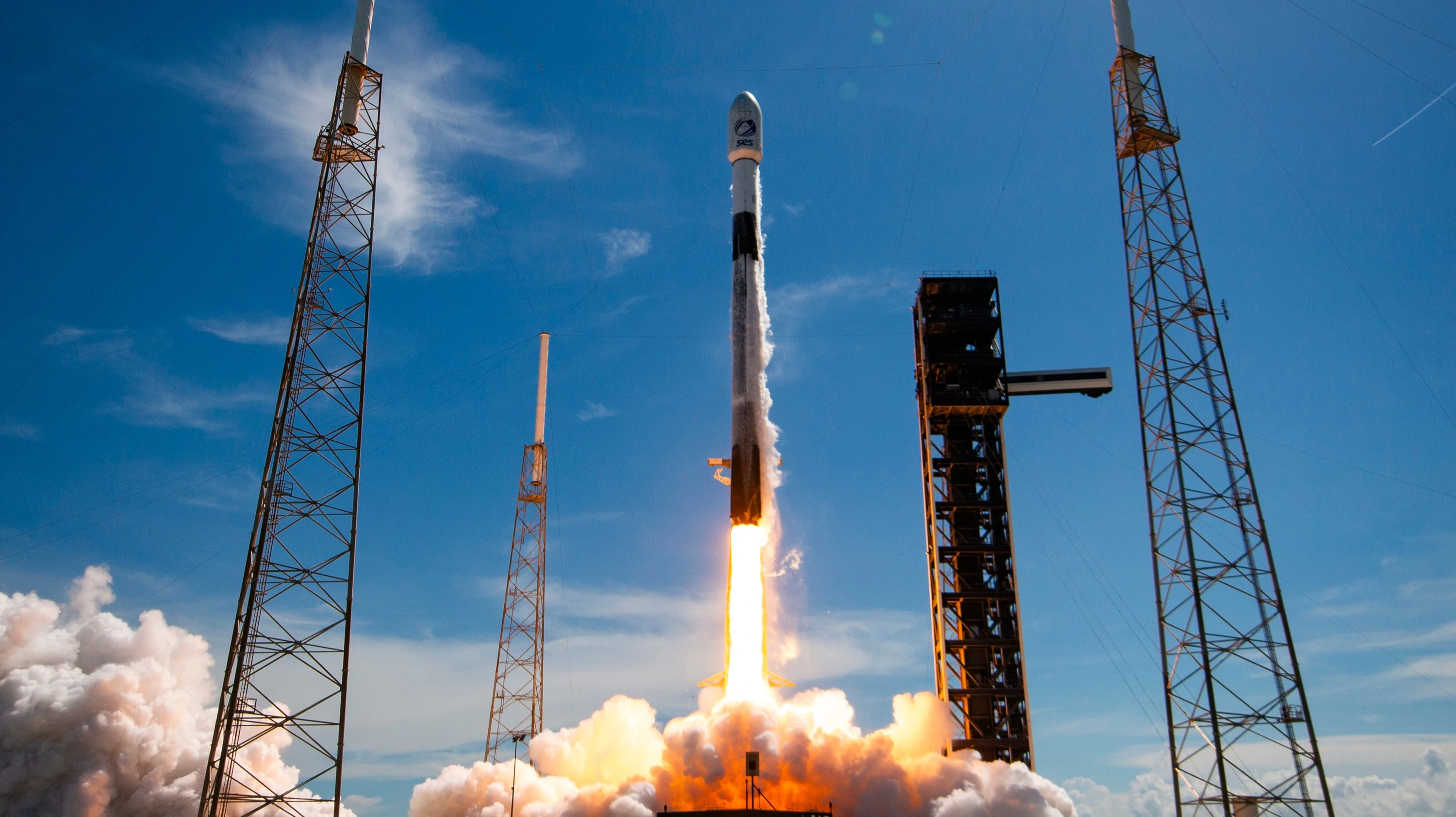
Google will send AI chips into Earth orbit using SpaceX's Falcon 9 rocket / Photo: X/SpaceX
Google will send its artificial intelligence chips into space for research. According to Barron’s, this will be one of the first tests of space data center technology. SpaceX will deliver the chips into orbit; the company also wants to build data centers beyond Earth, making it and Google “friends and rivals.”
Details
Google will test how its TPU (Tensor Processing Unit) chips perform in space, including whether they can withstand a 10-minute flight to low Earth orbit and exposure to radiation outside Earth's atmosphere, the company said in a blog post.
Elon Musk's space company, SpaceX, is responsible for delivering the satellite into orbit and is also developing the concept of data centers for artificial intelligence in space. The launch of the Transporter 18 mission is scheduled for October 1.
Following the first test, Google plans to launch two more satellites into orbit in 2027. Going forward, the company hopes to combine several groups of satellites so they can work together on large-scale AI-related tasks.

“Exploring space as a potential location for scalable AI computing won’t happen overnight. This first launch is intended to help us understand what works, identify points of failure, and use the findings in future missions,” Google said.
During trading on September 24, Alphabet shares rose 1.2%. SpaceX shares fell 0.9%.
What does SpaceX have to do with this?
SpaceX expects to begin launching its satellites equipped with data center infrastructure as early as 2027 using the fully reusable Starship rocket, according to Barron’s. In the long term, SpaceX plans to deploy up to 1 million such satellites into orbit. The company’s dominant position in the space launch market will help it carry out these plans, Barron’s adds.
At the same time, SpaceX isn’t shying away from helping potential competitors: for example, it is launching satellites for Amazon, which wants to compete with its Starlink satellite internet service, according to Barron’s. Alphabet, Google’s parent company, pays SpaceX nearly $1 billion a month for access to computing power. This, combined with the launch of TPUs into space, will make the companies “friends and rivals,” the publication believes.
Context
Deploying computing power in space makes it possible to harness unlimited solar energy and avoid constraints related to land availability, electricity, and resistance from local communities. However, investors are skeptical that orbital computing will prove cheaper than ground-based data centers, Barron’s noted. The publication explained that the market’s caution stems from concerns about cooling equipment in a vacuum, maintaining satellites, and protecting them from radiation.
Meanwhile, demand for electricity to power AI on land continues to grow. By 2028, it will reach nearly 100 GW—about 8% of the current total installed capacity of power plants in the U.S., according to Morgan Stanley analyst Stephen Bird, whose estimates are cited by Barron’s.
This article was AI-translated and verified by a human editor