Halyk Bank repurchased more than 27,000 depositary receipts as part of its buyback program
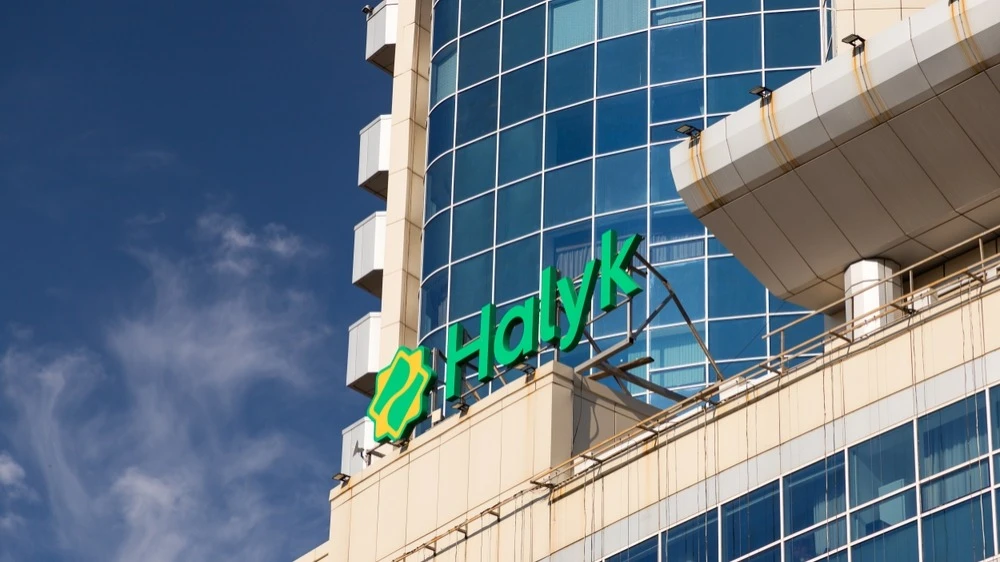
Kazakhstan's largest bank continues to buy back depositary receipts to "optimize capital" / Photo: Soto-san / Shutterstock.com
Halyk Bank conducted another purchase as part of its annual depositary receipt buyback program. According to the bank’s announcement, a total of 27,400 shares were repurchased through Citigroup Global Markets Limited on the London Stock Exchange and other European exchanges for $804,300 at an average price of $29.4.
In total, the bank’s program for 2025–2026 provides for the repurchase of securities worth up to $50 million, but no more than 1% of all outstanding securities, based on the assumption that each depositary receipt represents 40 common shares. The stated amount is not binding: in 2024, the bank had a similar program, but only $22.3 million worth of ADRs were repurchased under it. The cumulative amount of purchases under the new program currently stands at $10.1 million.
In December 2021, the bank made a one-time purchase of 845.8 million shares (7.2% of the capital). The purchases were made not only on foreign exchanges but also on the KASE, with a total value of 154 billion tenge ($361.5 million at the average exchange rate for 2021).
The bank’s statements indicate that the buyback of depositary receipts is being conducted “for the purpose of capital optimization,” without providing further explanation. Sergey Suverov, an investment strategist at Aricapital Asset Management, notes that Halyk Bank’s depositary receipts do not currently need support: they have fallen slightly from the $35.75 high reached in April but are still holding above $30, whereas in the fall, when the program began, they were trading closer to $26. “Nevertheless, thanks to the buyback, future dividends are distributed among a smaller number of shares, and shareholders see the company’s confidence in the value of its capital,” he says.
According to Suverov, share buyback programs are often launched when a company cannot find a more effective use for its capital: for example, if the business has grown much faster than the market, or if there are imbalances in the economy and one sector is growing faster than others. “In Kazakhstan, this is more common among banks—one can recall last year’s program by Bank CenterCredit or the Kaspi.kz program that concluded a year earlier,” he notes.
Halyk Bank is Kazakhstan’s largest bank. Its majority shareholder is the ALMEX Holding Group, controlled by Dinara and Timur Kulibayev (62% of shares). As of April 1, 2026, its assets totaled 21.2 trillion tenge ($44.3 billion), capital was 3.7 trillion tenge ($7.7 billion), net profit for Q1 2026 was 234.8 billion tenge ($490.4 million), and market capitalization at the close on July 7, 2026, was 3.94 trillion tenge ($8.35 billion). On Tuesday at 8:30 p.m. Almaty time, the bank’s depositary receipts on the LSE rose 0.81% to $31.
This article was AI-translated and verified by a human editor