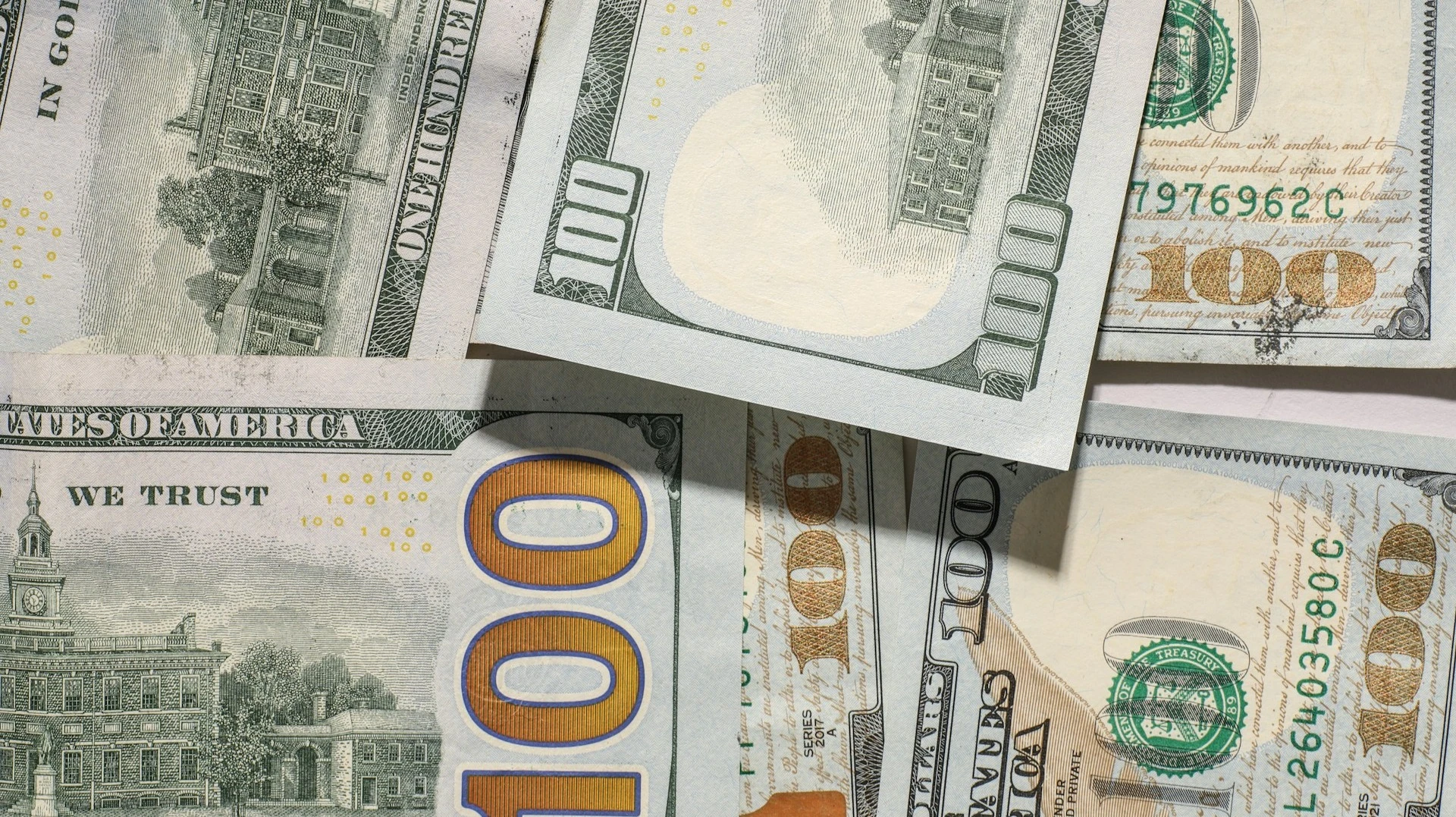
Hedge funds bet on the yen falling to 160 per dollar by the end of the year
The Japanese currency could fall to this level if it breaches the 155 mark, Amundi believes

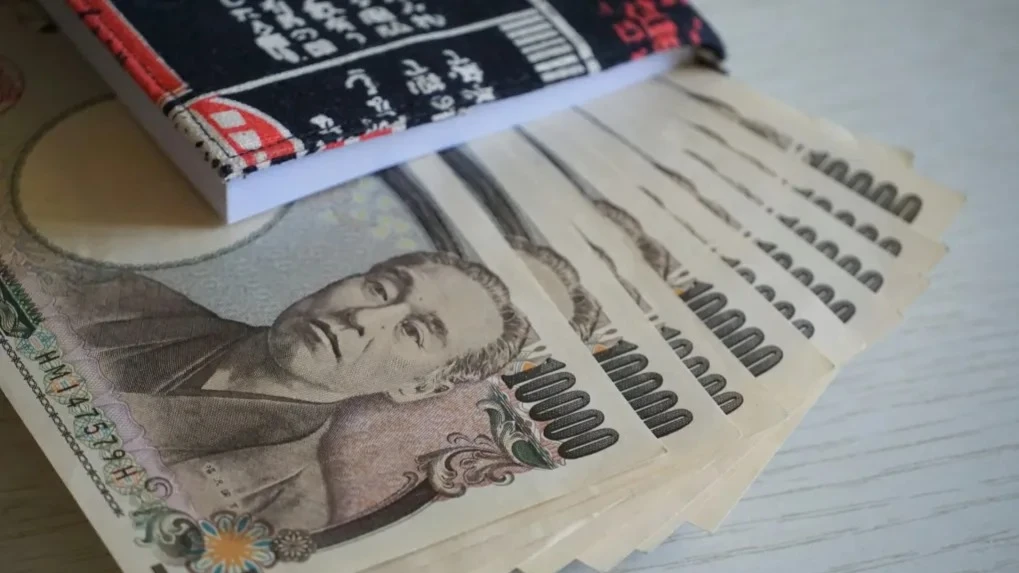
Hedge funds are betting that the yen will weaken to 160 per dollar by the end of 2025 amid differences in the approaches of the U.S. Federal Reserve and the Bank of Japan to interest rates. While the Japanese central bank is not signaling a rate hike, the U.S. regulator is warning that a rate cut at the end of the year is not guaranteed.
Details
Diverging regulatory positions are prompting macro-strategy hedge funds to expect a "smooth move" in the dollar-yen pair toward 157 within a month and 158-160 by year-end, Bloomberg reported, citing Nomura London-based currency options trader Sagar Sambrani. Sambrani said his macro fund clients are gambling massively on further yen weakening through binary options and using cheaper Reverse Knock-Out (RKO) options to reduce risk in case the Japanese central bank decides to strengthen the currency as the yen approaches 160 per dollar.
Not only option traders allow the probability of weakening of the yen against the dollar to 160. The dollar-yen pair could trade up to that level if it breaks 155, said Amundi, Europe's largest asset management company. Tom Bureau, co-head of global currency options trading at Societe Generale, also noted an increase in demand for RKO options on the dollar-yen pair for "tactical, short-term protection."
"The biggest brake on the yen is negative real interest rates. The Bank of Japan did nothing this week to address that, and until it does, [statements alone] won't support the yen for long," says Bloomberg strategist Mark Cranfield.
What's happening to the yen
The Japanese currency lost 4% against the dollar in October, its worst monthly performance since July. On Oct. 30, the dollar reached its highest level against it since February, and trading volume in options that profit when the dollar strengthens against the yen surged.
Currency traders reacted to the Bank of Japan keeping its key interest rate unchanged at 0.5%, with its Governor Kazuo Ueda providing no details on when he might raise it. In contrast to his Japanese counterpart, Fed Chairman Jerome Powell said this week that a prime rate cut in December is not guaranteed.
On October 31, the yen strengthened slightly on Japan's new Finance Minister Satsuki Katayama's statement that the government is "monitoring excessive fluctuations and disorderly movements in the foreign exchange market with increased attention."
This article was AI-translated and verified by a human editor