Iran and Oman are negotiating the reopening of the Strait of Hormuz. Brent crude is down 2%.
The success of the deal to reopen a key oil route could bring Washington and Tehran back to the negotiating table to end the war in the Middle East

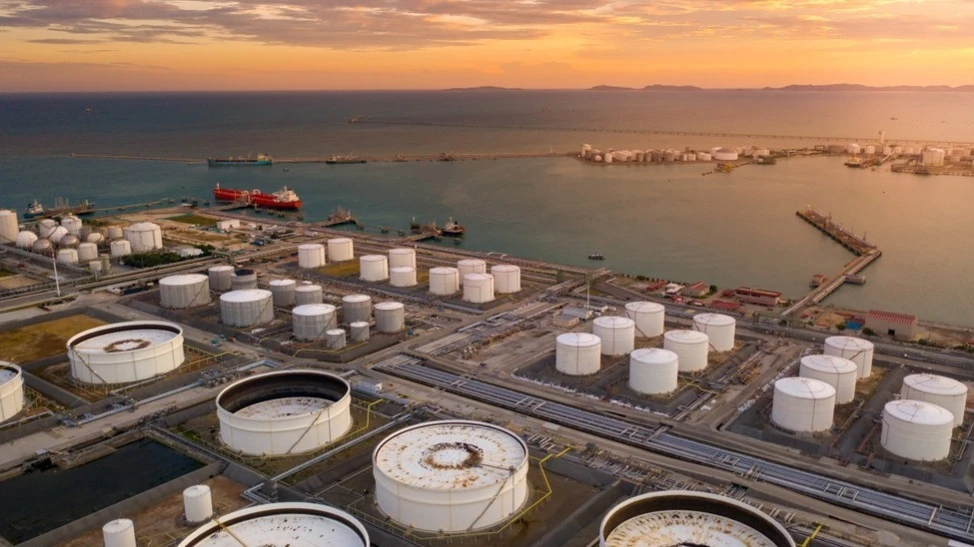
Negotiators from Iran and Oman are trying to reach an agreement on resuming shipping through the Strait of Hormuz. Photo: Da Da Diamond / Shutterstock.com
Negotiators from Iran and Oman are trying to reach an agreement on resuming shipping through the Strait of Hormuz, according to Bloomberg sources. A successful deal would allow Tehran and Washington to resume talks on ending the war in the Middle East, they noted. Iran’s Foreign Ministry confirmed that the talks are taking place. Oil prices continued to fall, dropping by more than 2%.
Details
Iran and Oman, which control the Strait of Hormuz, have resumed consultations following a meeting between officials in Tehran over the weekend, according to Bloomberg sources. Iranian Foreign Minister Seyed Abbas Arakchi held telephone conversations with his counterparts from Saudi Arabia and Oman on Monday evening. Among other things, they discussed the need for cooperation to “eliminate the security threat in the Strait of Hormuz caused by aggressive actions by the U.S.,” according to the Telegram channel of the Iranian Foreign Ministry’s press service.
According to Bloomberg sources, one of the proposals is to resume traffic along the “middle route” through the Strait of Hormuz. Ships have virtually stopped using it since the start of the U.S.-Iran conflict in late February, opting instead for either the northern route near the Iranian coast or the southern route—which passes near Oman’s Musandam exclave, Bloomberg reports.
According to Bloomberg sources, this middle route most likely contains sea mines laid by Iran, so the area will have to be cleared of mines before regular shipping can begin. The United Kingdom, France, and other European countries have stated that they are prepared to lead the mine-clearing operations, but only once it is safe to do so.
Negotiators from Oman are optimistic and hope to issue a statement on progress in the coming days, although this outcome cannot yet be guaranteed, Bloomberg sources added.
U.S. President Donald Trump told Axios on Monday that “in-depth negotiations” are underway between the U.S. and Iran, though he did not specify whether they specifically concern the Strait of Hormuz. According to Axios, the discussions are taking place primarily between Iran and Oman, with the participation of Qatar, Pakistan, Egypt, as well as Trump’s special envoys—Steve Whitcroft and Jared Kushner.
“I think there’s a good chance that something might work out, and if it does—great; if not—we’ll go back to what we were doing two days ago (strikes against Iran. — Oninvest),” Trump said (quoted by Reuters).
Context
Talks between the U.S. and Iran continued amid a mutual ceasefire, which appears to be holding after a two-week exchange of strikes between the two sides was temporarily suspended on Friday, CNBC reports.
Oil prices fell amid optimism regarding negotiations between the parties. During trading on July 28, Brent and WTI fell by about 2%. Goldman Sachs analysts noted on Tuesday that the price of Brent crude should stabilize at $80 per barrel by the end of the year, “if the Strait of Hormuz reopens fully” in the fourth quarter. “However, disruptions in the Red Sea and attacks on Saudi oil infrastructure could become a new risk factor contributing to higher prices for crude oil and petroleum products,” the analysts added (as quoted by CNBC).
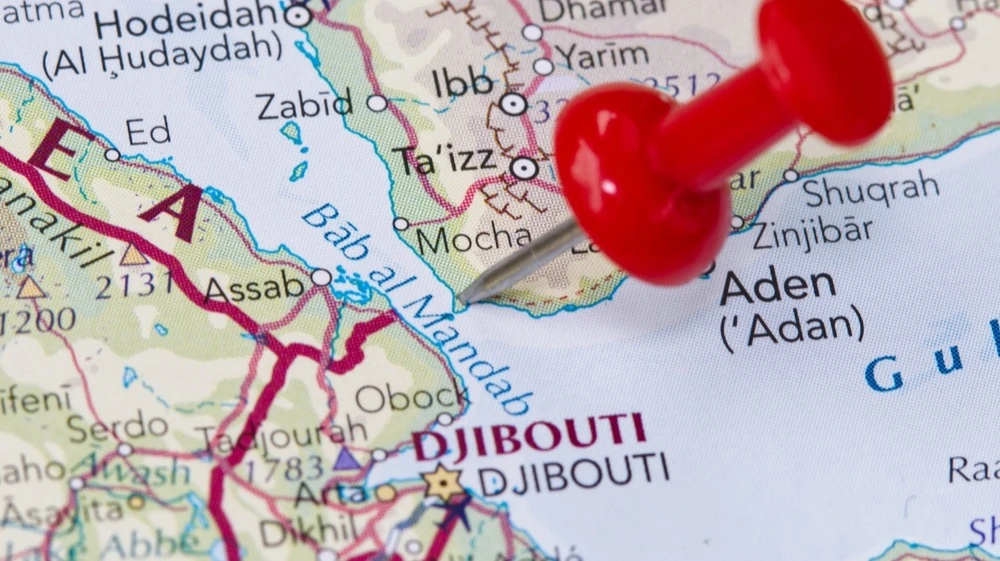
However, tensions in the Middle East remain high. Saudi Arabia announced early Tuesday morning that it had intercepted “several drones” that Iranian-backed groups in Iraq had sent toward its oil facilities. The Jordanian army also said it shot down a drone in its airspace early Tuesday morning, according to Bloomberg.
Traffic through the Strait of Hormuz has become the main obstacle to peace talks between the U.S. and Iran, Reuters notes. The interim agreement, signed by the parties in mid-June—intended to kick off discussions on the Islamic Republic’s nuclear program and lead to a complete cessation of hostilities—effectively expired about three weeks ago.
Vessels are now virtually not passing through the Strait of Hormuz—at least not with their transponders activated to transmit their location. The lull in fighting has helped lower oil prices, but over the past month they have still risen by more than 20% due to the paralysis in the strait, which is a vital artery for global oil supplies.
This article was AI-translated and verified by a human editor