Shares of European and U.S. oil giants have plummeted along with oil prices. Is it time to sell them?
Oil prices could rise to 2026 highs despite the lull in the Persian Gulf, UBS warned


Shares of major oil companies fell in tandem with the drop in oil prices due to the lull in the Middle East / Photo: Tada Images/Shutterstock.com
The 7% plunge in oil prices on July 27 dragged down shares of the oil supermajors. The oil and gas sector is underperforming among the sector groups of the European Stoxx 600 index and is trading lower in U.S. pre-market trading, while U.S. index futures point to a recovery, and most European sectors are rising.
Who's at the bottom of the rankings?
According to Yahoo Finance, Chevron is down 2.9% in U.S. premarket trading, while its main competitor, ExxonMobil, is down 3%. ConocoPhillips has fallen even more sharply, by 3.5%. In Paris trading, France’s TotalEnergies is down 3.3%, while Britain’s BP and Shell in London are down 3.6% and 2.1%, respectively. The European energy sector is down nearly 2%—the worst performance among the sector groups in the pan-European Stoxx 600 index, Reuters reports.
Who's in the black?
CNBC notes that the oil and gas sector is currently bucking the broader market trend. Airline stocks, on the other hand, are being buoyed by the drop in oil prices: Lufthansa, IAG, and Ryanair are up 2.3–2.6%, while European travel and leisure companies are gaining 2.1% on average.
Why Is Oil Getting Cheaper?
The price of a barrel of Brent crude plummeted by nearly 8% on July 27, falling below $90, even though it had been above $100 just last week. The sell-off began after the U.S. and Iran suspended their exchange of strikes late last week. Washington halted the bombings due to a lack of significant targets and concerns about depleting its missile stockpiles, CNBC reported. Tehran stated that it, too, would refrain from new attacks on U.S. bases in the Middle East.
The risk hasn't gone away
The Strait of Hormuz, through which about one-fifth of global maritime oil transit passed before the war, remains effectively closed to ships. An additional threat to supplies comes from rising tensions between the Yemeni Houthis and Saudi Arabia, which could hamper shipments through the Red Sea—an alternative route to the Persian Gulf.
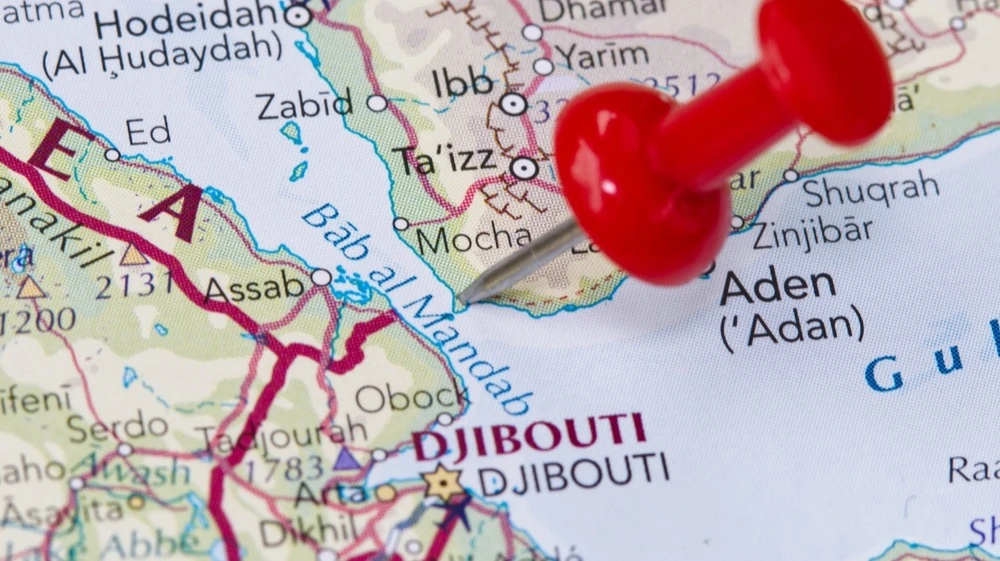
"It is unclear how the situation will unfold, and the risk of further escalation remains high. If hostilities intensify, we cannot rule out oil prices returning to the highs reached earlier this year,” warned analysts at UBS, Switzerland’s largest bank (as quoted by Reuters).
Context
Against the backdrop of a lull in the Middle East and falling oil prices, U.S., U.K., and German government bonds are rising in value. The yield on 10-year Treasuries—the main benchmark for mortgage, auto loan, and credit card rates in the United States—fell by more than 4 basis points to 4.63% at the start of trading. A similar pattern is being observed in Europe, according to CNBC.
This article was AI-translated and verified by a human editor