It's Not Just the War: Morgan Stanley Doesn't Expect the Fuel Market to Ease Until Mid-2027


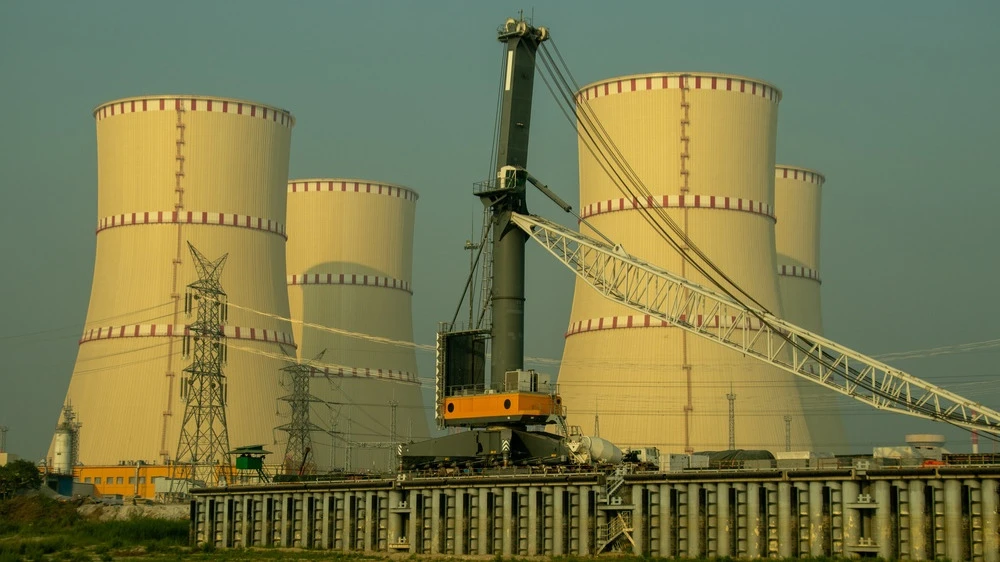
Morgan Stanley believes that supply constraints in the fuel market will persist until mid-2027. Among the reasons are scheduled refinery maintenance / Photo: Mikael Damkier / Shutterstock
Morgan Stanley believes that petroleum product markets will most likely remain tight through mid-2027, even if the current disruptions caused by military actions subside. “An unusually large increase in the number of maintenance outages at oil refineries” is limiting global supply, according to the analysts’ forecast. Their views were published by Bloomberg.
Due to scheduled shutdowns for repairs and maintenance, refineries worldwide will process 3.4 million barrels per day less by the end of the second quarter of next year, according to estimates by Morgan Stanley analysts, including Martijn Rats and Charlotte Firkin. They note that this is two and a half times higher than the norm and exceeds the current decline in refining activity in the Middle East and Russia.
Refineries had been postponing maintenance to take advantage of high refining margins. But analysts emphasized that this work “cannot be postponed indefinitely.” The second quarter of 2027 “already appeared to be a period with a large number of scheduled maintenance shutdowns, but over time, the number [of such outages] increased even further,” Morgan Stanley noted. Furthermore, analysts estimate that refinery utilization rates will likely have recovered very little by that time.
Global markets have faced a fuel shortage amid the conflict in the Middle East, which has been ongoing for nearly eight months, as well as an intensification of attacks by Russia and Ukraine on each other’s energy infrastructure, according to Bloomberg. Due to a sharp drop in exports, prices for fuels such as diesel—which is essential for transportation, heating, and industry—have risen more sharply than those for crude oil, the agency notes.
Overall, since late February, when the war in the Middle East began, Brent crude oil prices have surged by more than 50%. On October 21, the price of Brent futures rose by about 1% more, to around $110 per barrel. WTI crude oil contracts are up more than 1%, trading around $99. Reuters attributes this trend to attacks on ships in the Persian Gulf, as well as the lack of signs of diplomatic progress toward ending the war in the Middle East. In particular, according to the Iranian publication Nournews, Iran informed the head of the Pakistani army yesterday that there would be no negotiations with Washington until its demands were met, Reuters reports. Among other things, Tehran is demanding that Washington ease sanctions against Iran and lift the naval blockade of Iranian ports and ships.
This article was AI-translated and verified by a human editor