Kardigan IPO: Shares in the developer of AI-powered cardiac drugs are now available
The company went public on Nasdaq and raised $400 million


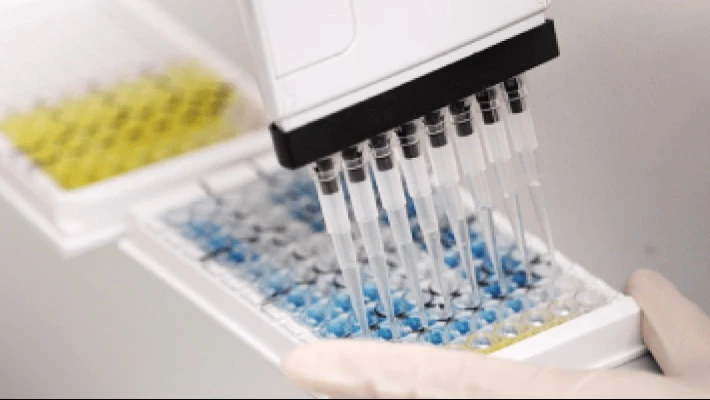
Kardigan's IPO took place amid a recovery in the biotech market / Photo: Kardigan
Pre-market trading in shares of Kardigan, a developer of drugs for the treatment of cardiovascular diseases, has begun on the Freedom client trading platform. The biotech company is seeking funding to advance three cardiovascular drug candidates that are in late-stage trials, according to Reuters. Later on June 18, Kardigan’s shares will be listed on Nasdaq under the ticker symbol KARD.
Details
Kardigan raised $400 million in its IPO. The company sold 25 million shares at $16 per share, which is at the upper end of its previously announced price range ($14–16). The offering size was increased: Kardigan had initially intended to sell 23.3 million shares, Bloomberg noted.
The listing was organized by JPMorgan, Jefferies, Leerink Partners, and TD Cowen.
What makes the company notable?
Founded in 2023, the New Jersey -based biotech startup Kardigan specializes in developing therapies aimed at addressing the root causes of diseases for which there are currently no approved treatments, according to Biopharma Dive. Kardigan was founded by former top executives of another U.S. biotech company, MyoKardia—the company that developed Camzyos, the first-of-its-kind drug for treating cardiovascular diseases. It is used to alleviate symptoms and improve heart function in patients with obstructive hypertrophic cardiomyopathy. This drug has become a bestseller.
Kardigan’s main assets are three drug candidates that are currently in mid- or late-stage clinical trials, Biopharma Dive noted. This means that these development projects have already overcome significant regulatory and research hurdles, which is a critically important factor for investors assessing risks in today’s biotechnology market, according to BioXconomy.
The first of these drugs—danikmatic—was developed to treat genetic dilated cardiomyopathy (a dangerous hereditary condition characterized by stretching and weakening of the heart muscle), Reuters reports. The second, ataciguat, is intended to treat calcified aortic stenosis (a dangerous narrowing of the aortic valve caused by calcium deposits). The third, tonlamarsen, acts on hepatic angiotensinogen and is used to control blood pressure in cases of acute severe hypertension (to prevent recurrent crises). Seeking Alpha notes that all of these drugs were originally developed by third-party organizations, and Kardigan subsequently obtained a license to them as intellectual property.
To optimize the conduct of clinical trials, Kardigan also uses its Prolaio data processing and analytics platform, which, among other things, employs AI tools, according to Seeking Alpha: It collects patient data via wearable sensors and analyzes it during trials using algorithms, according to the company’s IPO prospectus filed with the U.S. Securities and Exchange Commission (SEC).
What's next?
Kardigan plans to use the proceeds from the offering to fund clinical development of its three drug candidates, as well as for other research, to replenish working capital, and for other corporate purposes, according to Kardigan’s IPO prospectus.
In its SEC filing, the company noted that cardiovascular disease is one of the “leading causes of death worldwide; however, innovation in this field has lagged because drug development has focused on broad-based approaches and symptom management.” To address this issue, the company “uses an optimized clinical development system, powered by its proprietary Prolaio data and analytics platform, which enables the automated and continuous collection of vital signs and other physiological information,” according to Kardigan’s IPO prospectus. “We believe that more frequent collection of such real-world data helps improve the efficiency of trials, <...> which could potentially accelerate development timelines [for drugs] in early-stage trials, [which test whether the drug’s mechanism of action works in principle],” the company’s SEC filing states.
In 2025, as Kardigan conducted several mid- and late-stage clinical trials simultaneously, the company’s research and development expenses jumped by 80%, reaching $153 million, according to Biopharma Dive. The company’s net operating loss last year also more than doubled, totaling nearly $202 million. Therefore, an IPO could provide the company with a much-needed infusion of capital, the publication concludes. As of March 31, 2026, Kardigan had $287 million in cash, cash equivalents, and marketable securities, while its total liabilities amounted to $32 million, according to the company’s IPO prospectus.
According to data filed with the SEC, Kardigan's net loss in the first quarter of 2026 rose by 211.7% to $56 million compared with the same period last year.
What People Are Saying in the Market
At the current offering price, Kardigan’s stock has a growth potential of 16.2%, according to Freedom Finance analyst Alem Bektemirov. According to him, the main risk factors for the company remain the possibility of regulators rejecting the registration of its drugs or poor results from clinical trials, which could trigger a drop in the stock price. In addition, Kardigan’s long-term prospects depend on the level of future competition in the cardiovascular disease treatment segment.
Kardigan's IPO took place amid a recovery in the biotech market: investors are once again showing interest in medical companies with advanced clinical programs and relatively clear prospects for commercialization, Reuters notes.
“In recent months, we have seen a clear increase in the number of IPOs in the biotechnology sector, with activity in the healthcare IPOs segment already exceeding last year’s transaction volume. This shows that the window for listings in this industry is open again,” said Lukas Mühlbauer, a research analyst at IPOX Research (as quoted by Reuters). However, the current market situation does not mark a return to the biotech IPO boom of 2020–2021, he added. According to him, investors remain selective and favor companies with clear clinical progress and a more transparent strategy that should lead to regulatory approval of their drugs. Nearly all biotech companies that went public this year are already testing their drugs in Phase II or III clinical trials, and they managed to raise $250 million or more during their IPOs, adds Biopharma Dive.
Although Kardigan has already achieved positive trial results, it will have to make substantial payments to its licensors (the companies from which it purchased the rights to the drugs), royalties or other payments—depending on how successfully the development of its drug candidates progresses, says Donovan Jones, an expert at the research firm IPO Edge. In the long term, this could cut into the company’s potential profits, writes Seeking Alpha.
At the same time, Kardigan’s target markets are quite extensive and will grow steadily due to the general aging of the population, the analyst adds. However, Kardigan will have to contend with fierce competition from both pharmaceutical industry giants and new players who are developing alternative treatments, he notes.
Kardigan is backed by reputable venture capital funds and has enough money for the next stages of research, Jones notes. By all key metrics, the company is a prime example of a successful biotech firm going public, he concludes.
___________________
Freedom clients will be able to access Kardigan shares before the main trading session opens. Trading will begin in the early pre-market session 2–3 hours before the U.S. markets open (from 3:30 p.m. to 4:30 p.m. Astana time). To participate, click on the KARD ticker.
This article was AI-translated and verified by a human editor