"Everyone is hoping that no one will be the first to back down." Why airlines aren't lowering their prices

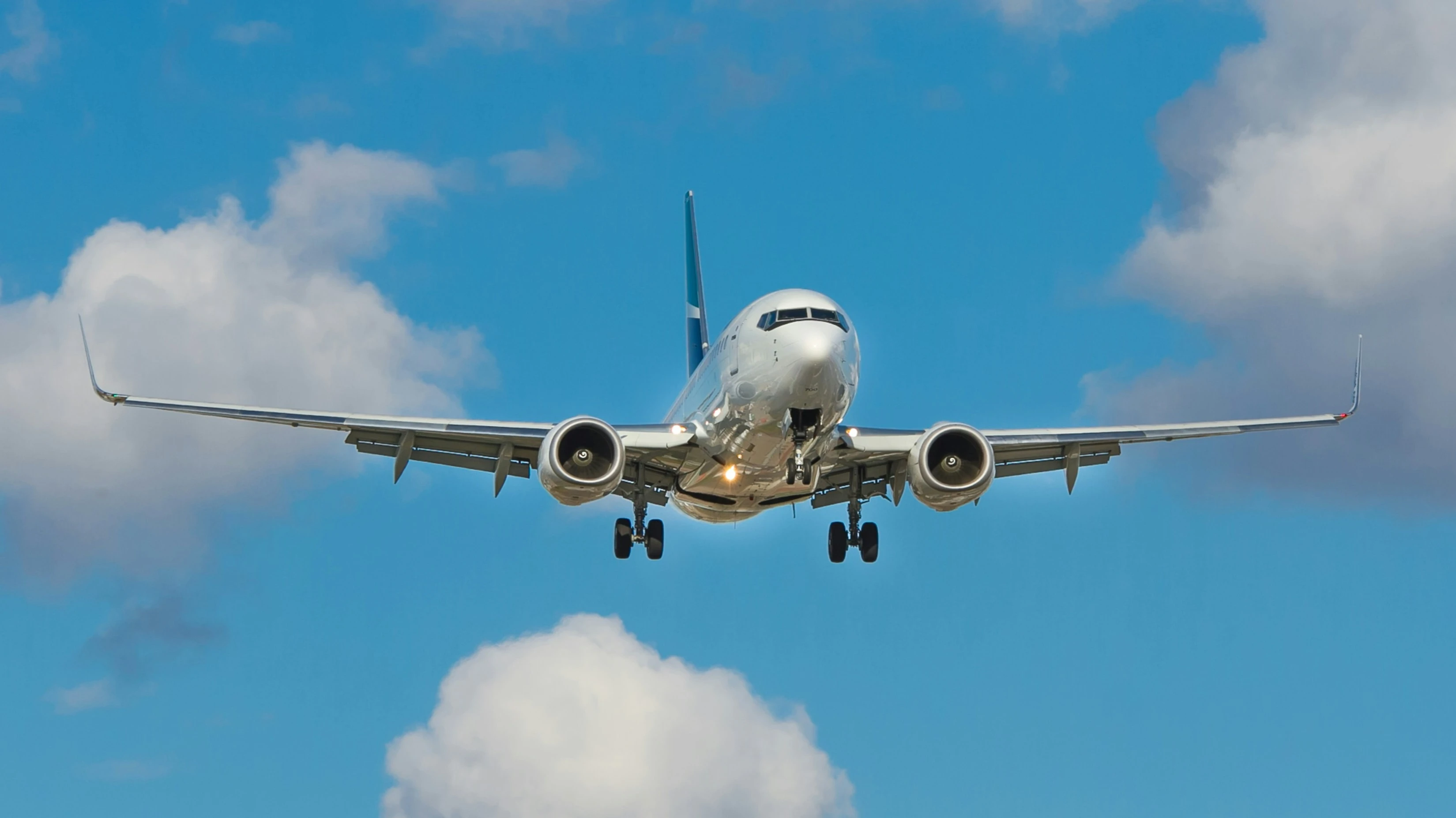
Airlines are adopting a wait-and-see approach to ticket prices,
according to the Financial Times. Although fuel prices have fallen significantly from the highs reached after the start of the U.S.-Iran war, carriers are in no hurry to lower their prices.
Details
Airfare prices remain high following an increase in fuel surcharges, a move many carriers made in response to the oil shock triggered by the conflict in the Middle East. However, if one company lowers its prices, the others will be forced to follow suit in order to remain competitive, explains the FT. That is why industry players are keeping a close eye on one another, the publication notes.
As the industry strives to maximize profits during this turbulent year, “everyone is hoping that no one will be the first to back down and lower prices, triggering an aggressive price war for late-summer bookings,” commented Rick Lewis, an analyst at the consulting firm BCG. “It’s a real wait-and-see stance,” he said.
What's happening with fuel prices?
The benchmark price for jet fuel in Northwestern Europe reached $1,900 per metric ton after the Iranian crisis began. It has since retreated from those peaks in line with crude oil prices and is currently trading at around $1,300, while remaining volatile, according to Argus Media.
European airlines were partially protected by hedging, having locked in fuel prices in advance, unlike their American competitors, who do not use such safeguards. Nevertheless, all carriers were affected by the price increases, and higher fares and cost-cutting measures offset only a portion of the soaring costs.
What Airlines Are Saying
“We are a low-margin business,” Ben Smith, CEO of France’s Air France-KLM, told the FT. “Where we have the opportunity to maintain our current [pricing], we would like to do so to the best of our ability.”
Ben Minucchi, CEO of the U.S.-based Alaska Airlines, estimated that passengers “may be paying 10–20% more” than they did a year ago. “We’re very sensitive to this and are closely monitoring whether we’ve reached a tipping point in our relationship with customers.” According to him, if ticket prices stabilize at current levels and fuel costs fall, “it could be very good for the aviation industry to see some price stability.”
Luis Gallego, CEO of IAG, which includes, for example, British Airways and Iberia, attributes the high ticket prices in part to a reduction in seating capacity.
Malaysia’s AirAsia, which does not hedge jet fuel, had previously raised prices by about a third, but “demand fell by only about 10%, which was very encouraging,” said CEO Tony Fernandes. To recoup losses from the spike in fuel prices, the carrier will need to keep fares at current levels for some time, but ultimately, AirAsia plans to lower prices to a level 5% higher than pre-war levels. “We will move toward lower fares. We want to get back to the way things were,” he promised.
This article was AI-translated and verified by a human editor