Luxury sales have plummeted in China. What will be the market’s next test?
Wealthy customers are cutting back on big-ticket purchases due to strict government policies and falling markets
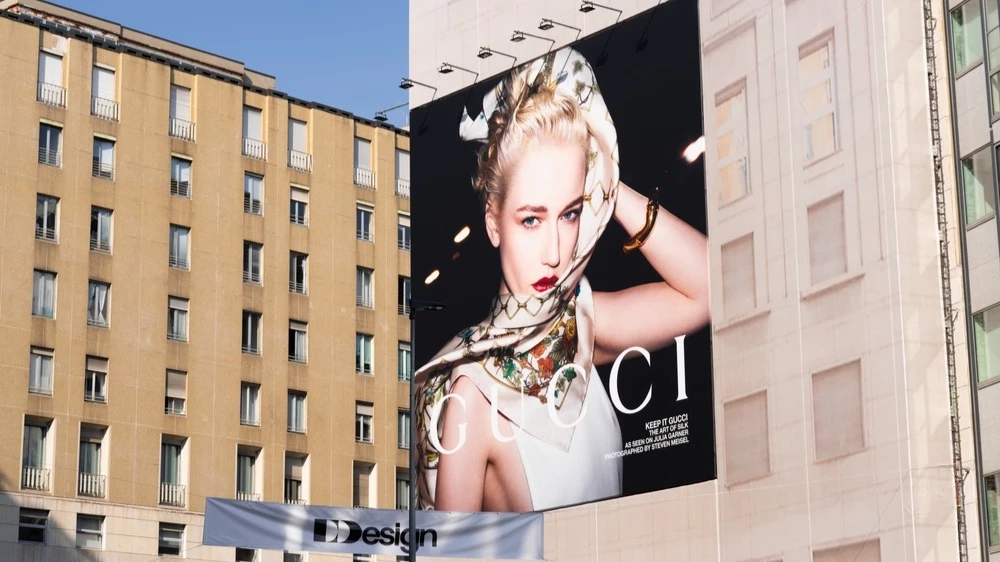
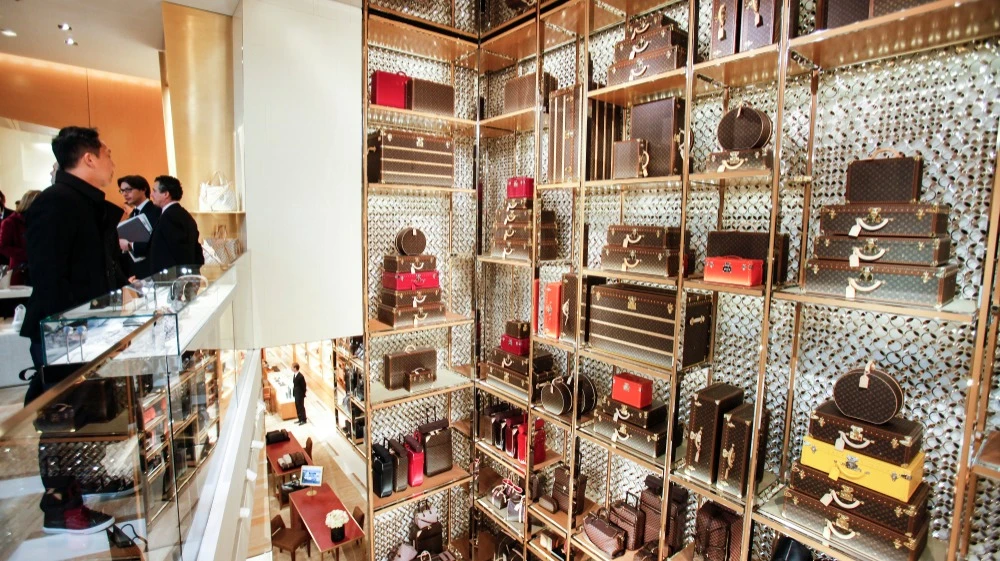
Total sales for the 25 largest luxury brands in China fell by more than 10% in July / Photo: photo-lime / Shutterstock
Total sales in China for the 25 largest luxury brands fell by more than 10% in July, according to Bloomberg. The decline was steeper than in June and marked a sharp reversal from the strong growth seen earlier this year. Beijing’s campaign to tax foreign assets is curbing spending by the country’s wealthiest consumers.
Details
Fashion houses Louis Vuitton and Dior, as well as Gucci, Bottega Veneta, and Balenciaga, reported double-digit declines in July sales in China. Hermès shifted from growth to decline, while growth rates at Chanel and Prada slowed significantly, Bloomberg reports, citing data from three research firms that track industry statistics.
For global luxury industry giants, the situation in the Chinese market—once the main driver of their growth—is becoming increasingly uncertain, the agency reports. While the middle class is cutting back on spending due to the economic slowdown, Beijing’s efforts to control capital flows have dampened the spending appetite of wealthy citizens. This threatens the recovery of the premium goods market, Bloomberg predicts. And yet the upswing had only just begun—less than a year ago.
“Operators are beginning to report greater caution among their VIP clients due to the waning wealth effect and a stricter tax regime for high-income consumers, — said Jacques Roizen, co-founder of the Shanghai-based consulting firm Foresight Performance Partners. — “The July results are causing legitimate concern among luxury company executives.”
Representatives from LVMH, Kering, Hermès, Chanel, and Prada did not respond to Bloomberg's requests for comment.
During trading in Paris on August 20, LVMH shares fell 2.4%—their decline since the start of the year has exceeded 25%. Kering shares dropped 3%, having lost about 20% since January. Prada shares gained 0.8% at the close of trading in Hong Kong; for the year, the brand’s shares are still down 8%.
Beijing Tightens Capital Controls
China’s new measures mark the most significant overhaul of the capital flow system in the past decade, Bloomberg notes. In particular, Beijing has tightened controls on cross-border stock trading and required citizens to pay billions of dollars in taxes on foreign assets and investment income. As a result, the authorities have further restricted the channels that wealthy households have long used to preserve and diversify their capital. This has been one of the factors behind the country’s stock market decline, the agency explains.
The MSCI China Index has completely erased last year’s gains, falling 8.9% this year. The Hong Kong Hang Seng Index has also lost momentum. As wealthy citizens had been shifting their funds en masse into stocks amid falling real estate prices, the stock market crash has undermined their confidence. As a result, the austerity measures have affected not only the luxury sector but also casinos in Macau, which reported a sharp drop in revenue due to the exodus of VIP gamblers, according to Bloomberg.
As Stella Lin, a financial products sales specialist from Shanghai, told Bloomberg, the downturn was enough to make her cut out all discretionary spending. The value of her stock portfolio has plummeted, and she hasn’t bought a single luxury item in recent months. “I already feel like someone who’s lost money,” said Lin, who used to spend at least $15,000 a year on luxury goods. “For the past two months, I haven’t even wanted to step foot in high-end stores. When will I start spending again? You’d be better off asking when the stock market will recover.”
The caution shown by these customers is exacerbating the bleak outlook for China's consumer sector. Retail sales growth slowed to 0.6% last month, with high-end goods—including jewelry and automobiles—taking the hardest hit.
“Over the past two years, we have observed a clear correlation between capital market trends and luxury goods sales, ” said Robert W. Ran, CEO of the Shanghai-based research firm Baiguan. “Previously, this relationship was less obvious, as a significant portion of capital was tied up in real estate.”
What's next?
The next major test will be China’s Valentine’s Day, which is celebrated in August. This period is considered one of the strongest for luxury goods sales, noted Roizen of Foresight Performance. “If brands are unable to demonstrate positive momentum even with such a favorable factor, I will consider that strong evidence of a real slowdown,” he said.
This article was AI-translated and verified by a human editor