The dollar has fallen to a seven-month low. What is driving it down?
Treasury Secretary Scott Bessent has stepped up his rhetoric, and this is affecting the dollar, among other things

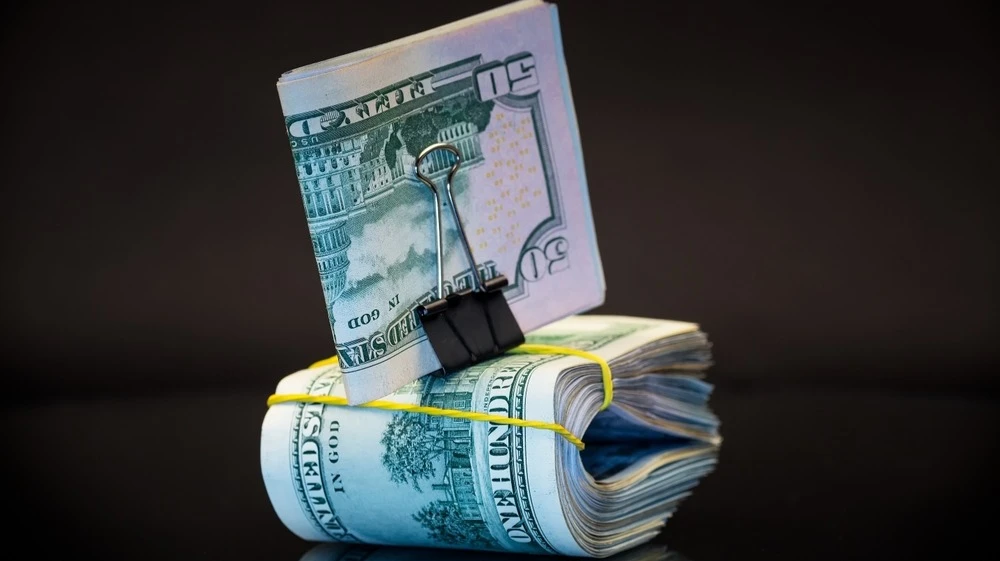
The dollar fell to a seven-month low / Photo: Peredniankina / Shutterstock.com
The dollar exchange rate approached a nearly seven-month low amid a sharp strengthening of the Japanese yen. At the same time, traders are awaiting an announcement from the U.S. Treasury Department regarding the details of its government bond buyback program and the release of inflation data later this week, according to Bloomberg.
Details
The Bloomberg Dollar Spot Index fell 0.2% on Wednesday, September 9, approaching its lowest level since February 18. The agency notes that the main reason for the U.S. currency’s decline was the rise of the yen—the second-largest component in the index’s weighting. The Japanese currency gained 0.5%, bringing its total gain since the beginning of September to approximately 4%.
The dollar also came under pressure after U.S. Treasury Secretary Scott Bessent effectively challenged traders on September 8, according to Bloomberg. The Treasury Secretary stated that he makes market assessments based, in effect, on insider information. These comments were among Bessent’s sharpest yet as part of an unprecedented campaign to bend financial markets to his will, Bloomberg notes.
“I’m the one setting the rules here now, so when we carry out currency interventions involving the Japanese yen, I fully understand what the Bank of Japan will do and what steps the Japanese monetary authorities will take. And you can bet against me if you want,” Scott Bessent said on September 8 at an event at Southern Methodist University in Texas. His quote was reported by Bloomberg.
Bessent must also demonstrate how far he is willing to go to keep U.S. Treasury yields in check through the expanded buyback program announced on August 19. The U.S. Treasury Department is expected to disclose on September 9 the volume of Treasury bond purchases with maturities ranging from 10 to 20 years, the agency reports.
“To make an impact on the market, Bessent will need to complete an initial transaction worth more than $4 billion, and we wouldn’t be surprised if the initial round turns out to be much larger—potentially ranging from $8 billion to $10 billion,” said Mohit Kumar, chief economist and Europe strategist at Jefferies International.
Nevertheless, according to estimates by JPMorgan Chase analysts, the U.S. Treasury is unlikely to disclose additional details regarding the size of the upcoming buyback program.
What Else Affects the Dollar?
Traders are also focusing on Friday's U.S. inflation data, which could influence expectations regarding the Fed's monetary policy decision next week.
The money market is pricing in a roughly 60 percent probability that the U.S. regulator will raise rates by 25 basis points, Bloomberg noted.
Options market indicators suggest that, in the short term, market participants generally remain bearish on the U.S. dollar. At the same time, they anticipate the U.S. dollar will strengthen against the euro and the British pound, for which high energy prices remain a major drag: On Wednesday, Brent crude oil prices jumped to $100 per barrel due to the escalation of the conflict between Washington and Tehran.
This article was AI-translated and verified by a human editor