Nasdaq has longest streak of gains since 2009, S&P 500 hits record again
The index of small and mid-capitalization companies set a new high for the first time since January


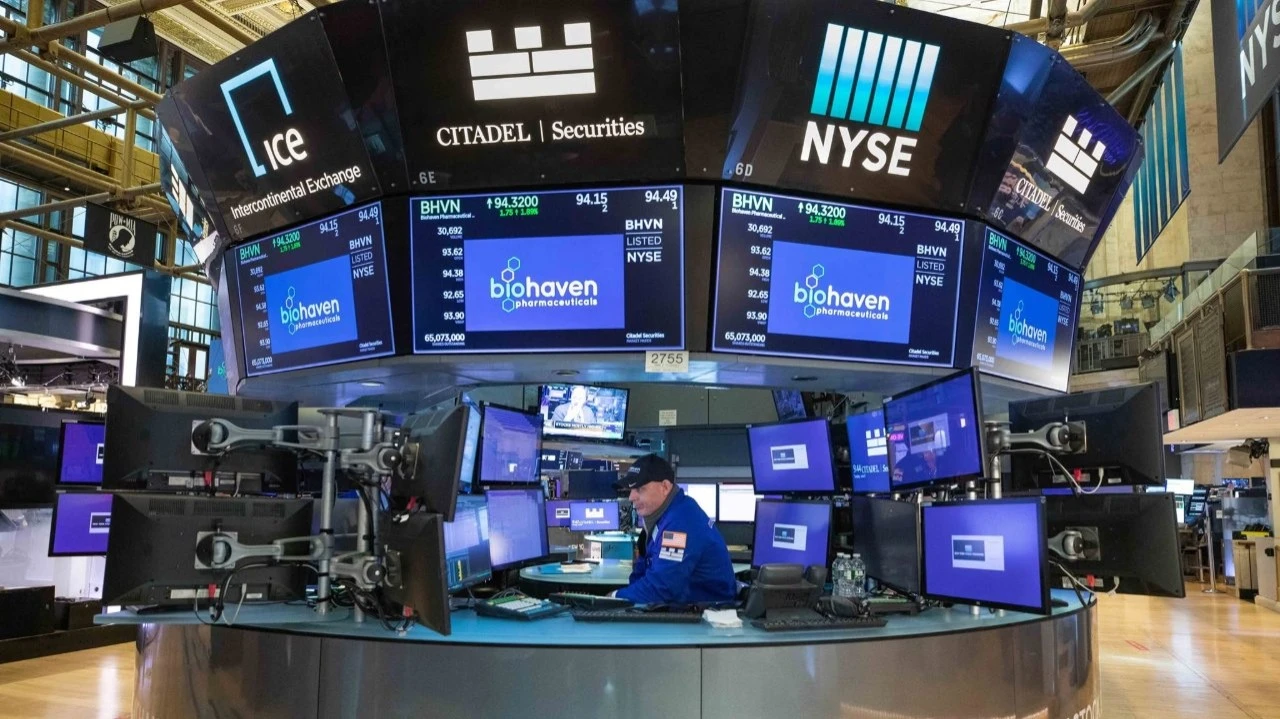
Photo: X / NYSE
The S&P 500 and Nasdaq Composite set new records for the second day in a row at the close on Thursday, April 16, despite Brent crude oil rising to nearly $100 a barrel. Market optimism strengthened after U.S. President Donald Trump said the prospects for a peace deal with Iran "look very good." In addition, Israel announced a 10-day truce with Lebanon, which was one of Iran's demands in the negotiations. Nevertheless, oil rose more than 3% on the day due to ongoing shipping problems in the Strait of Hormuz and supply shortages.
Details
- The broad market index S&P 500 rose by 0.26% on April 16 and closed at 7041.28 points, which was a new record. The previous day, the index finished trading above 7,000 points for the first time.
- The blue-chip index Dow Jones Industrial Average added 0.24%, reaching 48,578.72 points.
- The Nasdaq Composite Technology Sector Index rose 0.36% and ended trading at a record high of 24,102.7 points. The index rose for the 12th consecutive trading session, its longest such streak since 2009, CNBC notes.
- The Russell 2000 index of small and mid-capitalization companies rose 0.2% to 2,719.6 points. It updated the record at the closing for the first time since January, Barron's writes.
- The CBOE Volatility Index (VIX), known as the "Wall Street Fear Index," was down more than 1% and was below 18 points. The psychological mark indicating high volatility is considered to be 20 points.
- Brent crude futures were up 3.4% to $98.16 a barrel and WTI crude futures were up 2.3% to $93.38 a barrel.
- Spot prices for gold practically did not change: the precious metal cost $4789 per troy ounce. Silver cheapened by 0.7% - to $78.43.
- Bitcoin was up about 0.4 percent to $75,060, CoinGecko shows.
What influenced the stock
Stocks got a further boost Thursday after U.S. President Donald Trump announced a ten-day truce between Israel and Lebanon. An end to Israeli strikes on Lebanon was one of the key conditions for the start of talks between the U.S. and Iran, CNBC noted. The next face-to-face meeting between the U.S. and Iranian delegations could take place "probably, possibly next weekend," Trump said. He also said the prospects for a deal with Iran "look very good." He said Iran has agreed to terms it has long resisted, including giving up its pursuit of nuclear weapons, Bloomberg writes. Tehran has not publicly confirmed that it has made such concessions, the agency said.
Brent crude oil rose to nearly $100 a barrel in trading on Thursday before falling back to $98, amid a report by Bloomberg sources about the opinion of a number of Gulf Arab and European leaders that a peace deal between the U.S. and Iran will take about six months to finalize, Bloomberg writes.
Technology stocks rose sharply in the early hours of trading Thursday after an upbeat earnings forecast from Taiwan Semiconductor Manufacturing showed robust demand for AI chips. The gains gave the Nasdaq 100 index its longest streak of gains since 2017, Bloomberg noted.
What the analysts are saying
- The market is starting to tire of Gulf War-related headlines: this was evidenced by the slight rise in US Treasury bond yields on Thursday, according to Ian Lingen, managing director and head of US rates strategy at BMO Capital Markets. - The consolidation now prevailing also suggests that the impact of new geopolitical headlines is waning."
- "Investors have gotten used to buying back every drawdown," Michael Bell, head of market strategy at RBC BlueBay Asset Management, said in a conversation with Bloomberg. - The scenario now is binary: either the Strait of Hormuz will open soon or it won't. With the equity market already assuming the Strait will open soon, the potential for further upside is probably limited."
- "We're going to have to endure a couple of weak quarters for GDP," Rob Williams, chief investment strategist at Sage Advisory, told CNBC. - It's like everyone was just waiting for the Iran situation to somehow resolve itself, and that would certainly be a big plus, but the economy is still only growing at 2%. We probably have a couple quarters ahead of us with growth below 2%."
This article was AI-translated and verified by a human editor