Nebius, IREN, TeraWulf: Which AI and Data Center Stocks Do Short Sellers Prefer?
Amid a sell-off in the sector, Insider Monkey compiled a list of the top picks among short sellers

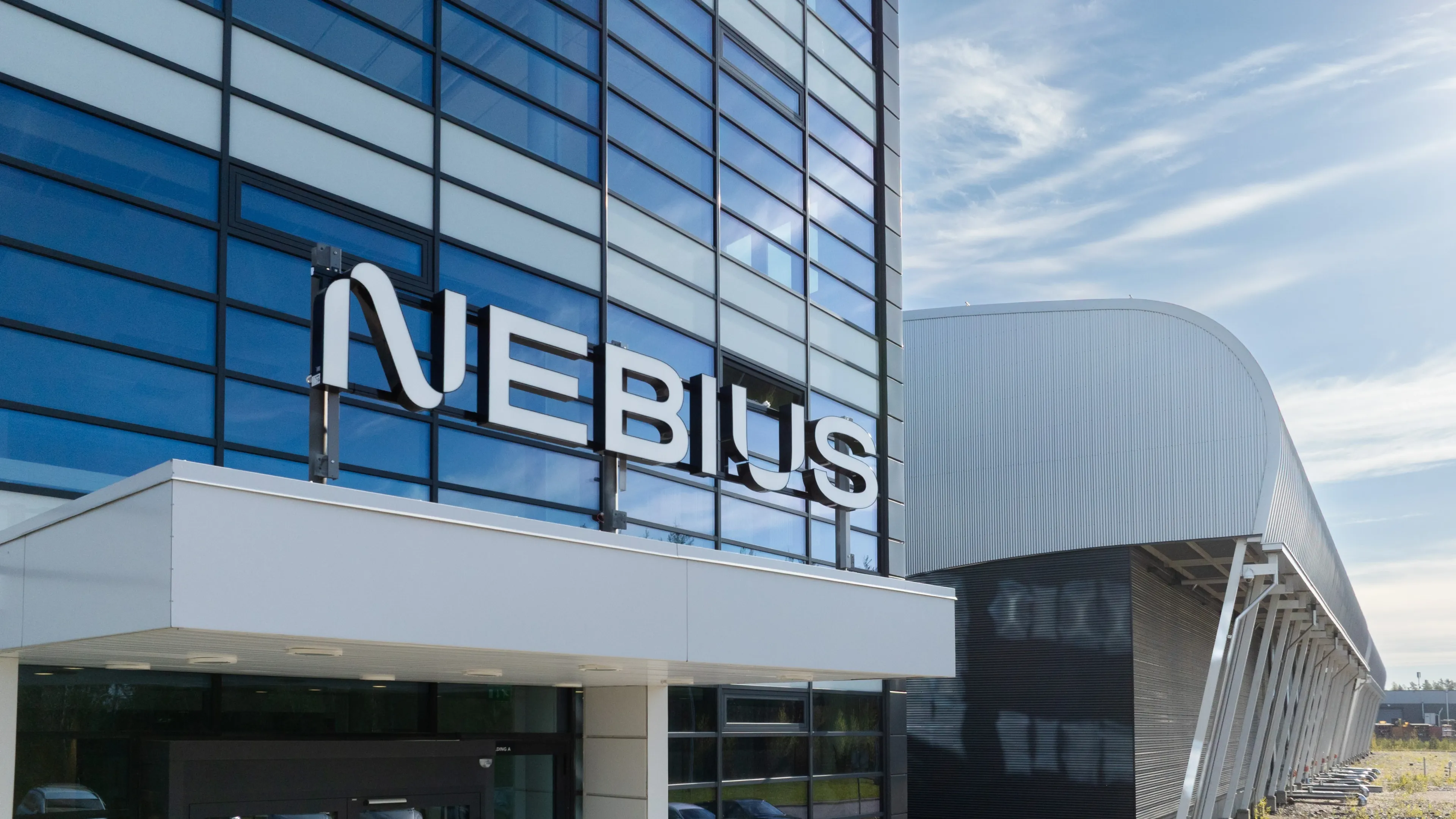
Over the past month, Arkady Volozh's Nebius shares have fallen in price by more than 30% / Photo: Nebius
The sell-off in stocks of companies related to artificial intelligence infrastructure and data centers is intensifying amid investor concerns about Nvidia’s deals, the sector’s overvaluation, and the sustainability of the AI rally. The Global X Data Center & Digital Infrastructure ETF (DTCR), which invests in this sector, lost more than 2% on November 16, falling faster than the Nasdaq Composite Index. Shares of cloud providers CoreWeave and Nebius fell 6%.
Amid the sell-off, Insider Monkey compiled a list of companies in the sector with the highest percentage of short sellers. Here are the companies that made the list:
5. Cipher Digital
Short position volume as of October 30: 18.49%
Performance from the beginning of the year through November 16: -56 .4%
Number of hedge funds holding shares: 72
Cipher Digital, formerly known as Cipher Mining, is shifting its focus from cryptocurrency mining to high-performance computing and AI infrastructure. This transition requires large-scale investments in data centers and power capacity. As of the end of September, the company’s long-term debt stood at $5.45 billion, up from $2.71 billion at the end of 2025, while short-term debt totaled an additional $112.7 million. Revenue for the third quarter of 2026 totaled approximately $27 million, with a negative adjusted EBITDA of $10 million. These figures are not yet commensurate with the scale of infrastructure investments, and the growing debt burden increases the risk in the event of construction delays or cash flows falling short of expectations, writes Insider Monkey.
Nevertheless, Cipher Digital still has growth potential. Cipher Digital has added Amazon Web Services to its client roster and reported that the extension of lease agreements for its Barber Lake fracking facility in Texas has brought its contracted revenue to approximately $9.1 billion over 20 years.

4. Nebius Group
Short position volume as of October 30: 18.74%
Performance from the beginning of the year through November 16: +30%
Number of hedge funds holding shares: 86
Over the past month, Nebius Group’s stock has fallen by more than 30%. The company, founded by Yandex co-founder Arkady Volozh, has raised its capital expenditure forecast for 2026 from $20–25 billion to $27 billion amid accelerated data center construction and the expansion of its GPU fleet. To finance these plans, the company secured a $3.5 billion credit line from Citi. This deal provides additional liquidity but also increases the company’s financial obligations. As of early November, Nebius’s total debt stood at $10.2 billion—significantly less than that of its competitor CoreWeave, which stands at $51.6 billion.
Nevertheless, the stock remains attractive to long-term investors, according to Insider Monkey. Third-quarter results showed strong demand for Nebius’s services: revenue grew 571% year-over-year to $980.8 million, exceeding expectations. Nebius reported that in the third quarter, customers signed longer-term contracts at higher prices and made larger upfront payments. These prepayments covered more than 100% of the capital expenditures associated with those agreements in the third quarter, including costs for building data centers and network infrastructure.
3. Applied Digital
Short position volume as of October 30: 20.32%
Performance from the beginning of the year through November 16: -40 .5%
Number of hedge funds holding shares: 59
Over the past month, Applied Digital's stock has fallen by more than 30%. The company is actively investing in the development of high-performance data centers, but its enormous capital requirements and its operation in a highly competitive market make these shares a potentially risky choice, the publication notes.
One of Applied Digital's main challenges is its heavy reliance on external financing to carry out its ambitious expansion plans. As of August 31, the company had $3.7 billion in cash and cash equivalents, compared with $6.4 billion in debt.
Nevertheless, Applied Digital has already secured contracts for approximately 1.41 gigawatts of mission-critical IT capacity across five data center campuses. The largest contract was signed with cloud provider CoreWeave, and its partners include an unnamed hyperscaler with an investment-grade rating.
2. IREN Limited
Short position volume as of October 30: 22.31%
Performance from the beginning of the year through November 16: -56 .9%
Number of hedge funds holding shares: 59
IREN is a major player in the AI infrastructure market, but its ambitious expansion plans carry significant financial and execution risks, according to Insider Monkey. By the end of the current fiscal year, the company plans to invest approximately $15 billion in capacity expansion. IREN reported that it already has $9 billion in cash and committed financing, while another $6 billion is “contingent” financing that depends on market conditions.
At the same time, IREN’s revenue from leasing computing power for AI nearly tripled in the last quarter, reaching $200 million. The company reported that contracts—which are expected to bring its annual revenue to over $4 billion—have already been signed and financed. However, IREN now expects to reach this level only in January, rather than by the end of this year, and the timeline may be pushed back to the end of February.

1. TeraWulf
Short position volume as of October 30: 24.34%
Performance from the beginning of the year through November 16: +1 .9%
Number of hedge funds holding shares: 88
Over the past six months, TeraWulf’s stock has fallen by more than 50%, erasing nearly all of this year’s gains. The company is also shifting its focus from Bitcoin mining to leasing computing power for AI. Although the company has signed major long-term agreements for AI hosting with Google’s support, investors are increasingly concerned about how much capital is needed to implement these projects and when they will generate sustainable profits.
TeraWulf estimates the cost of developing the campus in Havesville, Kentucky, and the first data centers at approximately $4–4.5 billion. On November 4, the company announced credit support agreements with Google regarding approximately $19 billion in contractual lease obligations.
Meanwhile, TeraWulf’s financial metrics are improving. Third-quarter revenue rose to $76.23 million from $50.57 million a year earlier. Net income totaled $709.9 million, compared with a loss of $455.01 million for the same period last year.
How the ranking was compiled
In the first step, Insider Monkey compiled a list of leading companies in the AI infrastructure and data center sectors. It then selected stocks from that list where the short interest exceeds 5% of the outstanding shares. The stocks were ranked in ascending order by short interest.
This article was AI-translated and verified by a human editor