Nebius Secured a $3.5 Billion Credit Line Amid a Sell-Off in AI-Sector Stocks
The funding will be used to build data centers and purchase graphics processing units, the company said


Nebius Founder Arkady Volozh / Photo: Nebius
Nebius Group, led by Arkady Volozh, which provides cloud computing power for AI, has agreed with Citi on a $3.5 billion credit line. The funds will be used to build data centers and purchase graphics processing units as part of a global expansion of its infrastructure, according to a company statement.
The new credit line has a term of 364 days. The agreement provides for an initial interest rate of SOFR plus 2.75% per annum, with a maximum rate of 3.5%.

Nebius emphasized that the new funding will give the company greater flexibility in choosing the timing and structure of future capital raises needed to grow the business in 2027 and beyond. Among other sources of funding, the company cites customer prepayments and operating cash flow.
“We still have a number of capital sources to finance the next phase of growth, including asset-backed financing based on investment-grade customer commitments under long-term contracts totaling more than $40 billion,” — said Nebius Chief Operating Officer Ofir Nave, whose remarks are quoted in the press release.
Nebius currently has about $10 billion in outstanding convertible bonds following the issuance of $5.75 billion worth of them in August, according to Reuters.
Context
Nebius announced new funding amid a sell-off in AI-sector stocks that began last week due to concerns about the debt burden of companies in this segment. The trigger was a sharp drop in the value of bonds issued by Nebius’s competitor, CoreWeave. Nebius and CoreWeave are typically considered among the leading “neocloud” companies that build data centers specifically for artificial intelligence applications.
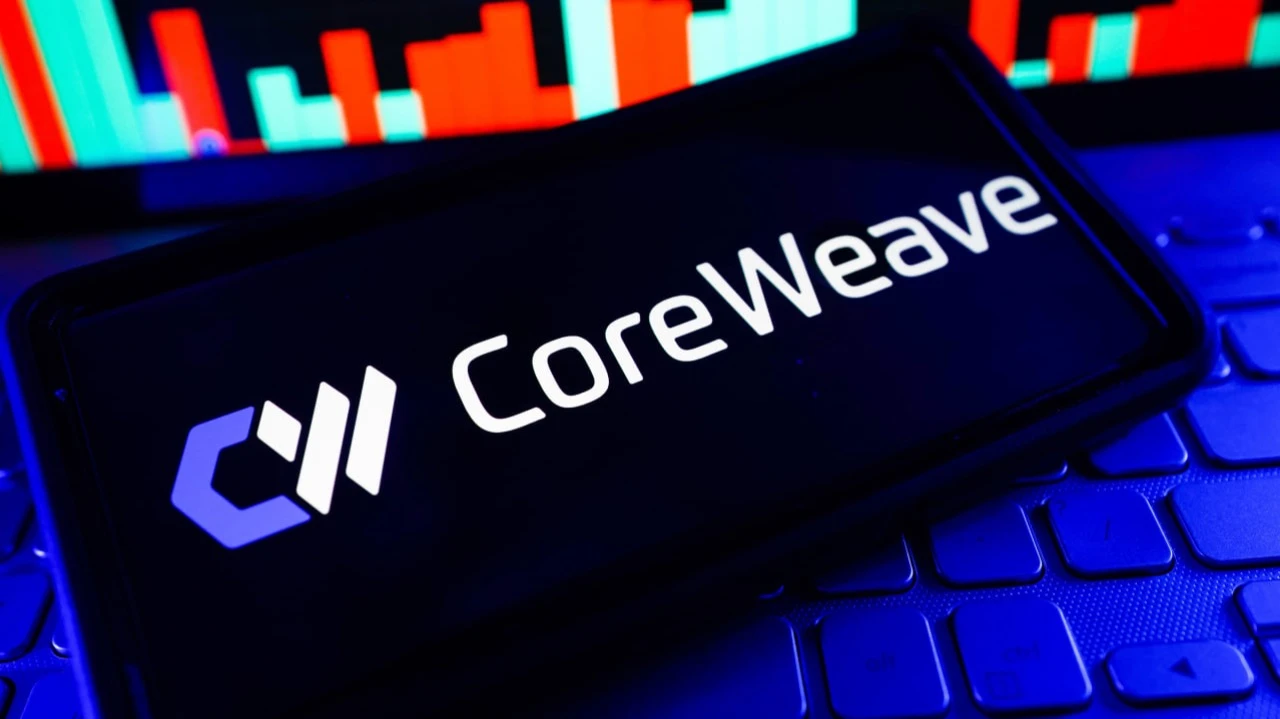
Nebius's stock price has more than doubled this year, but since the beginning of October, the stock has fallen 27%. CoreWeave’s stock price fell 29% in October, after which the company lost all of its year-to-date gains. Nevertheless, about 70% of analysts still recommend buying shares of both companies, according to MarketWatch data.
This article was AI-translated and verified by a human editor