North Sea oil price premiums jump despite US-Iran truce

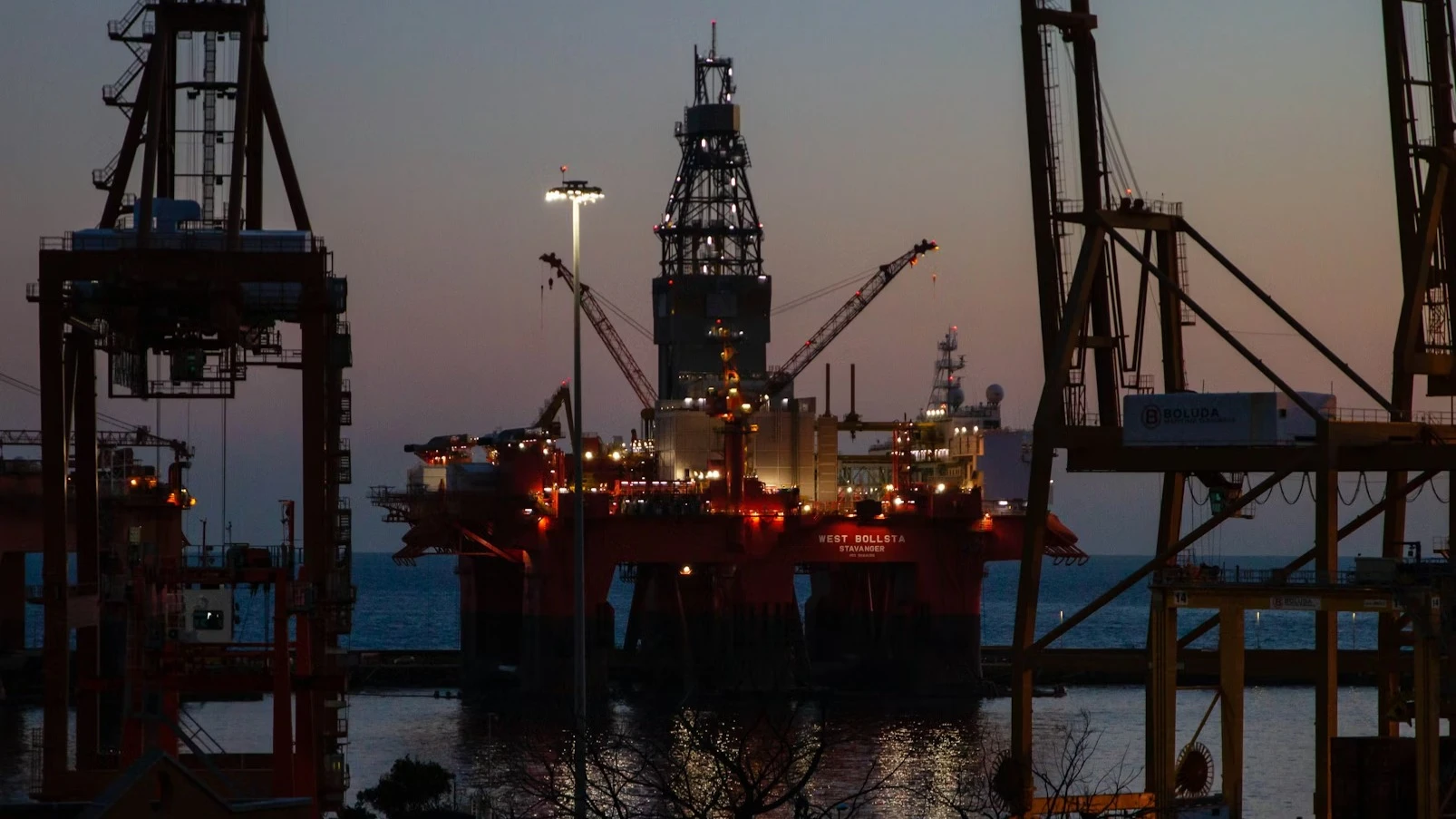
North Sea oil prices surge despite US truce with Iran / Photo: Unsplash / Maria Lupan
Physical North Sea crude oil prices have risen sharply, suggesting a continued supply shortage in the market, Bloomberg notes. Despite a U.S.-Iran truce to restore traffic in the key Strait of Hormuz for global trade and already causing the value of oil futures to collapse, real oil supplies remain expensive and are selling at a large premium to core prices, the agency said.
One batch of U.S. crude with delivery to Europe was sold for more than $20 above the Dated Brent benchmark, while another was sold at a premium of $18, a trader monitoring the Platts price window told Bloomberg. Those values are about double the previous record for the deal, set in late March.
Four grades of oil in the North Sea were offered at a premium of more than $20 to Dated Brent, while usually they are traded only a few dollars higher or lower, the agency writes. In addition, there were eight bids on the market, for which there were no offers.
Dated Brent is a key indicator of the real price of oil that is bought and sold in the North Sea. It is used to calculate a large part of global transactions. On Tuesday, the indicator crossed $144 a barrel, setting an all-time high since 1987. June Brent crude futures were at around $109 a barrel that day before collapsing to $96 on April 8 amid the suspension of hostilities in the Middle East. The gap shows how much buyers are willing to overpay for immediate supplies, Bloomberg writes.
The spot price of Brent was around $125 a barrel on Wednesday.
What's happening in the market
Despite a two-week cease-fire between the U.S. and Iran to open the Strait of Hormuz, there was little sign that supplies had returned to normal levels on Wednesday, Bloomberg noted. The route remains largely blocked, and so far only two ships have been able to take advantage of the pause in hostilities, Iran's Fars news agency reported . Hours after the ceasefire, Iran again closed the passage through the strait, accusing the U.S. of violating the terms of the agreement because of Israel's ongoing attacks on Lebanon. That sent futures prices up more than 2.5% in the early morning hours of Thursday, April 9.
Amrita Xi, founder of Energy Aspects, estimates that the real party price reflects the situation "on land and at sea," as producers in the Middle East cut production by 13 million bpd during the war and most tankers are now heading to the U.S. to pick up oil there. It could take until June to divert those ships back, she believes.
Full capacity recovery will take up to five months, predicts Amena Bakr, Middle East and OPEC expert at Kpler.
This article was AI-translated and verified by a human editor