Not a White Knight: How the “Savior” of “AI-Nostradamus” Makes Money by Sensing Trouble
Citadel could be called a savior—or a vulture: this week, the company likely struck a lucrative deal by acquiring the assets of the hedge fund Situational Awareness at a discount

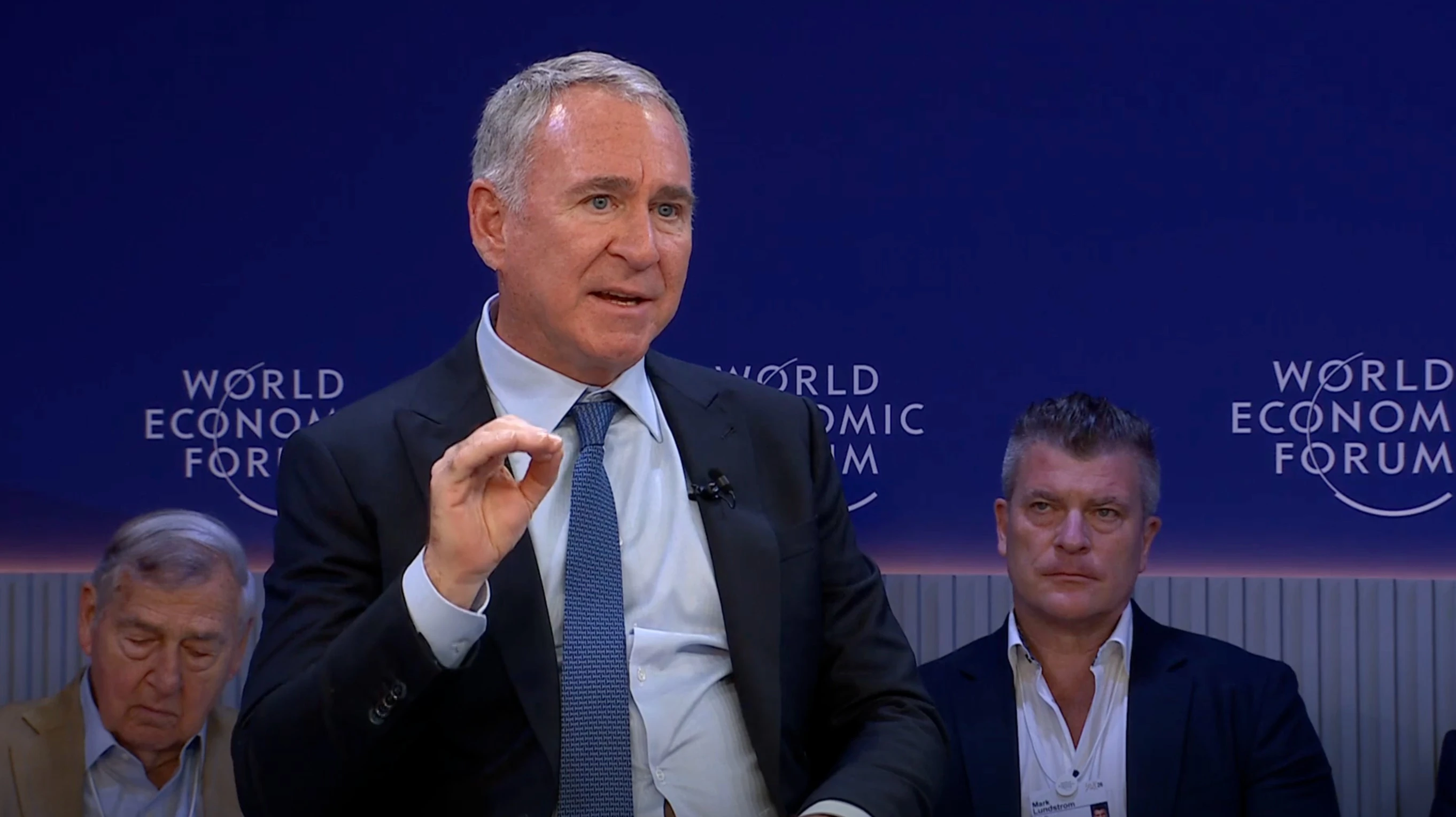
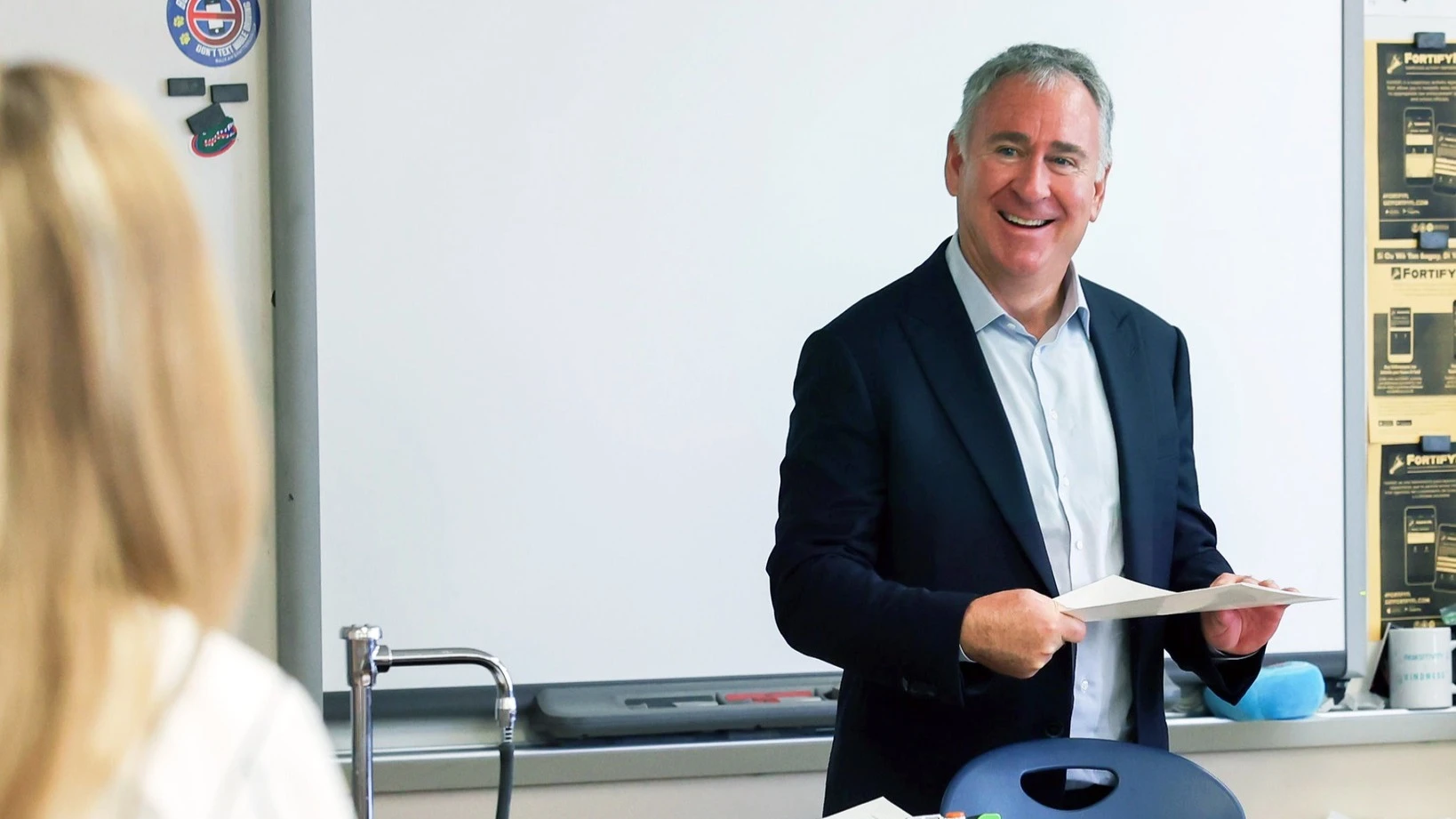
Ken Griffin at the Davos Forum in January 2026 / Still from the video broadcast of the WEF 2026 session
“On Wall Street, it’s practically become a saying: if Ken Griffin calls you, you’re in trouble,” Bloomberg wrote in an article about the resolution of the crisis at the hedge fund Situational Awareness. The fund’s difficulties allowed Griffin’s investment firm, Citadel, to acquire a large block of shares at a substantial discount in less than a day. But this is just one of nearly a dozen similar episodes in the career of Citadel’s founder. Ken Griffin, who ranks 35th on Forbes’ list of the world’s richest people, has managed to turn others’ misfortunes into a source of profit for his company since the early 2000s.
“Citadel doesn’t play the role of a ‘white knight’—it makes well-thought-out investments,” says Bruno Schneller, managing partner at Erlen Capital Management. “Whether you call it a savior or a vulture probably depends on your point of view, but it’s best to view it as an experienced provider of crisis capital.”
A “white knight” is a term used in the market to describe a friendly investor who rescues a company from an unwanted takeover.
Ken Griffin's Strategy
Citadel is distinguished by its almost unparalleled ability to anticipate impending trouble—and then capitalize on it with lightning speed, according to Bloomberg, citing sources in the investment industry. Its mastery of what Wall Street calls “crisis capital” has earned Citadel a reputation as one of the most astute investment firms. To illustrate this, Bloomberg quoted billionaire Cliff Asness, CEO of the hedge fund AQR Capital Management. Here’s how he described his emotions at the moment when Griffin called him during the 2007 market crash:
"I looked up and saw the Valkyries approaching. Then I heard Death's scythe scraping against my door. I tried with all my might to run toward the light."
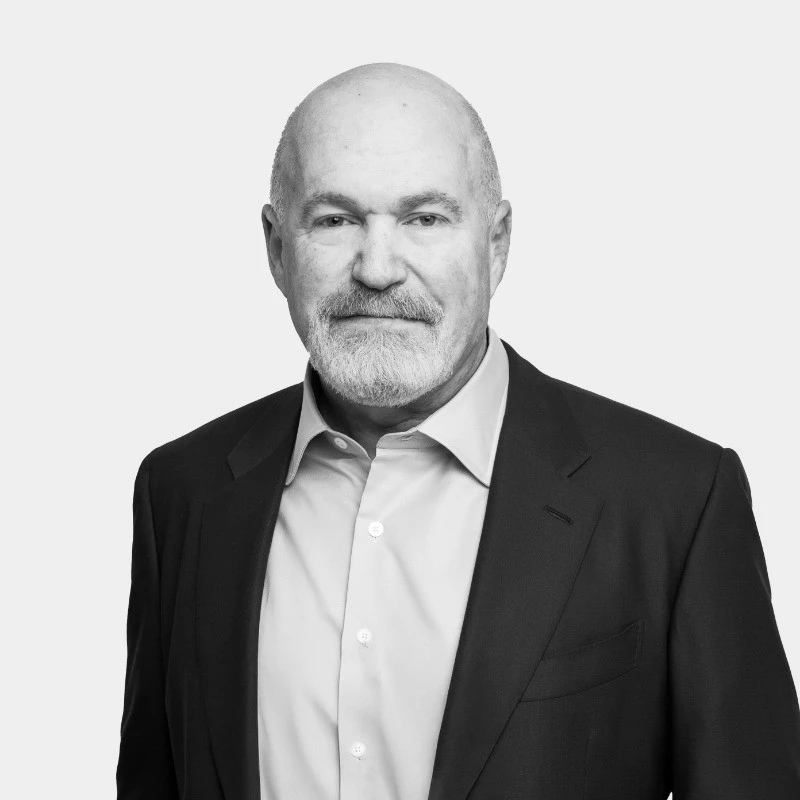
For decades, Griffin honed his strategy: find a company in trouble, step in quickly, and strike a profitable deal. Sometimes the deal involved poaching employees—for example, in 2001, Griffin hired a team of analysts from Enron just a few hours after the energy giant filed for bankruptcy.
Among Citadel’s successful deals was its 2006 acquisition of the assets of the hedge fund Amaranth Advisors, which lost $6.6 billion on natural gas futures and was forced to shut down. According to a Bloomberg source, this acquisition generated returns for Citadel comparable to what the fund typically earned in half a year.
Another good example is the deal with the hedge fund Sowood Capital Management, from which Citadel purchased the majority of its $30 billion portfolio in 2007. Sowood’s managers reached out to Citadel themselves on Sunday morning, realizing that after a sharp decline in the portfolio’s value, they would be unable to meet their creditors’ demands. In just one night, by the time the market opened on Monday, the parties had closed the deal. Griffin later recalled that late that evening, one of his competitors called to inform him that he intended to take over Sowood’s assets by morning. Griffin replied, “There will be nothing left to take in the morning.”
Not all deals were profitable. In 2021, Citadel, in partnership with the investment firm Point72 Asset Management, provided $2.75 billion to the hedge fund Melvin Capital, which had been hit hard by the surge in GameStop stock driven by retail traders. The following year, Melvin went bankrupt anyway—however, according to one of Bloomberg’s sources, Citadel did not lose money on that investment.
The Rescue of "AI-Nostradamus"
This week, Citadel acquired a large stake in the crisis-stricken hedge fund Situational Awareness at a 10% discount. Its founder, Leopold Aschenbrenner, a former OpenAI employee, made a name for himself through his research on AI safety. In 2024, he published an essay titled “Situational Awareness: The Decade Ahead,” in which he claimed that general artificial intelligence would emerge in the coming years and completely reshape the global economy. The essay went viral, and Aschenbrenner earned the nickname “the Nostradamus of AI.” Riding the wave of this fame, he launched a hedge fund to invest in AI, despite having no prior experience in investment management. To build up his positions, Aschenbrenner borrowed money from brokers.

Following the market downturn in July, Aschenbrenner faced the threat of a forced sale of assets under pressure from creditors. The deal with Citadel allowed Situational Awareness to avoid this and retain its stake in the AI company Anthropic. The negotiations took less than a day. According to one source, Citadel contacted Situational Awareness on the evening of July 29, discussed the details overnight, and signed the contract before the market opened the next day.
It is not known exactly which assets Citadel acquired from Aschenbrenner. However, many of the largest holdings in the Situational Awareness portfolio surged on the day the deal was closed. For example, Nebius Group shares jumped 27%, Bloom Energy shares rose 26%, and CoreWeave shares climbed nearly 22%.
A Citadel spokesperson declined to comment, and a Situational Awareness spokesperson did not respond to the request.
This article was AI-translated and verified by a human editor