Oil and gas bypassing the Strait of Hormuz: Gulf countries seek new routes
Middle Eastern countries seek to reduce dependence on Iranian threats and ensure uninterrupted oil exports amid growing geopolitical tensions

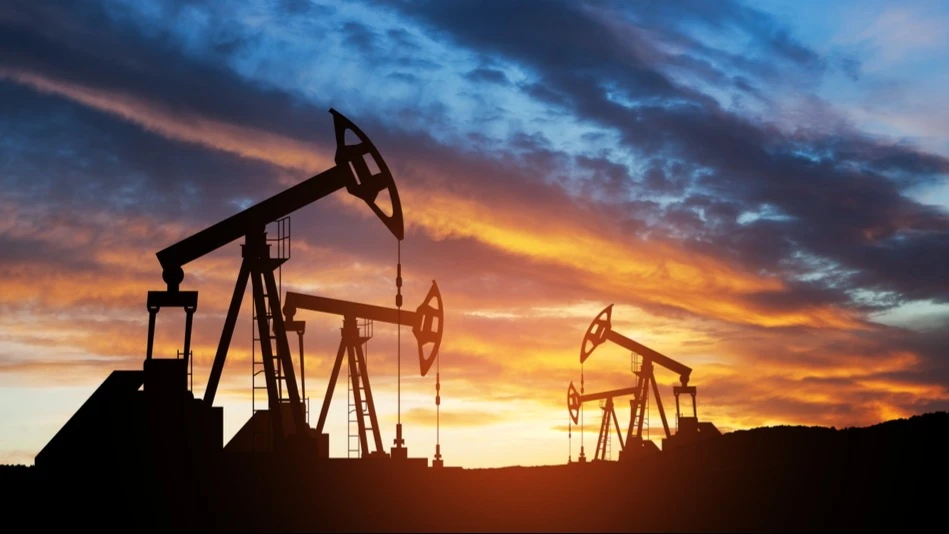
Three fundamental problems stand in the way of new projects: cost, political complexities and long lead times, writes the FT / Photo: Hamara / Shutterstock.com
The threat of Iran's unrestricted control over the Strait of Hormuz has prompted the Gulf countries to revive projects to build expensive pipelines bypassing the key transportation hub off the coast of Iran for the sake of unimpeded oil and gas exports. The creation of new infrastructure is seen as the only way to guarantee uninterrupted energy supplies, the Financial Times (FT) reports, citing industry representatives.
According to analysts and top energy company executives interviewed by the newspaper, despite the high cost, political complexities and long implementation timeframes, the development of the pipeline network remains a non-alternative solution to reduce the region's "chronic vulnerability" to possible "blockages" of shipping through the strait.
Strategic asset: the success of the East-West system
The current crisis in the Middle East has confirmed the strategic value of the East-West oil pipeline built by Saudi Arabia in the 1980s. The 1,200-kilometer-long pipeline makes it possible to transfer up to 7 million barrels of oil per day to the Red Sea, to the port of Yanbu, bypassing the Strait of Hormuz. Saudi Aramco chief Amin Nasser said it is now the "main route" on which Riyadh is betting. "In hindsight, the East-West pipeline seems like an ingenious solution," an unnamed top manager at a Gulf energy company told the FT.
Against this background, according to the newspaper, Saudi Arabia is considering exporting most of its production (10.2 million barrels) via pipeline rather than through Iranian-controlled waters. These discussions, according to the FT, include exploring further expansion of East-West pipeline capacity or the construction of new pipeline routes.
From pipes to trade corridors
This is not the first time the idea of building oil pipelines in the Middle East has been discussed, the FT points out. Previous such plans have been repeatedly frozen due to high costs and complexity. However, with the latest escalation of the conflict, the mood in the Gulf countries has changed, says Maysoun Kafafi, senior adviser for Middle East programs at the Atlantic Council: "I sense a shift from hypothetical speculation to operational reality. Everyone is looking at the same map and coming to the same conclusions."
According to Kafafi, the most sustainable option is not to build or expand the capacity of a single pipeline, but to build a whole "network of corridors" in the region. In the future, these routes could become multimodal and be used to transport not only oil and gas, but also other goods.
One option also remains the massive US-backed IMEC project, an ambitious plan to create a pipeline corridor that would run from India through the Persian Gulf to Europe, a Middle Eastern official reminded the FT. Initially, part of that project included the politically difficult construction of a pipeline to the Israeli port of Haifa. However, whether the pipelines from the Gulf to the Mediterranean end in Israeli or Egyptian ports, they will be built, assured Yossi Abu, CEO of Israel's NewMed Energy.
What are the risks and obstacles
Three fundamental problems stand in the way of implementing the new projects, says the FT. First of all, the cost is prohibitive: according to estimates by the Cat Group (a private Lebanese company that was one of the main builders of the Saudi East-West pipeline), duplicating the East-West system today would cost at least $5 billion, while transnational routes from Iraq through Syria or Jordan could require $15 billion to $20 billion.
Security risks to radical groups and unexploded ordnance in Iraq also remain a major obstacle, and recent Iranian drone attacks on Omani ports have confirmed the vulnerability of even areas previously considered secure, the FT points out.
Political concerns also include who will manage the pipeline and control the flow. "It's always been considered cheaper and safer to bring a ship in, load it up and set it sailing," says Cat Group CEO Christopher Bush.
Near-term outlook
In the short term, the most viable options to address the energy export issue may be to expand the East-West system and the existing route from Abu Dhabi to Fujairah. This would increase capacity without the complexities of new cross-border infrastructure, the FT points out.
Context
Oil prices jumped nearly 9% on Thursday, April 2, on the back of US President Donald Trump's statements about his readiness to launch an "extremely powerful" strike against Iran in the next two to three weeks. The White House's rhetoric has renewed fears of prolonged disruptions in energy supplies, Investing.com noted.
The cost of June futures for Brent crude oil rose to $109.7 per barrel at an intraday high. May futures for WTI oil added more than 12% and traded at $112.33 per barrel.
Investors are still concerned about the situation around the Strait of Hormuz. In parallel with the geopolitical factor, the market is under pressure from inventory data, as Investing.com points out. According to the U.S. Energy Information Administration (EIA), commercial stocks of crude oil in the U.S. for the week ended March 27, increased by about 5.5 million barrels, which significantly exceeded the forecasts of analysts who expected moderate growth.
This article was AI-translated and verified by a human editor