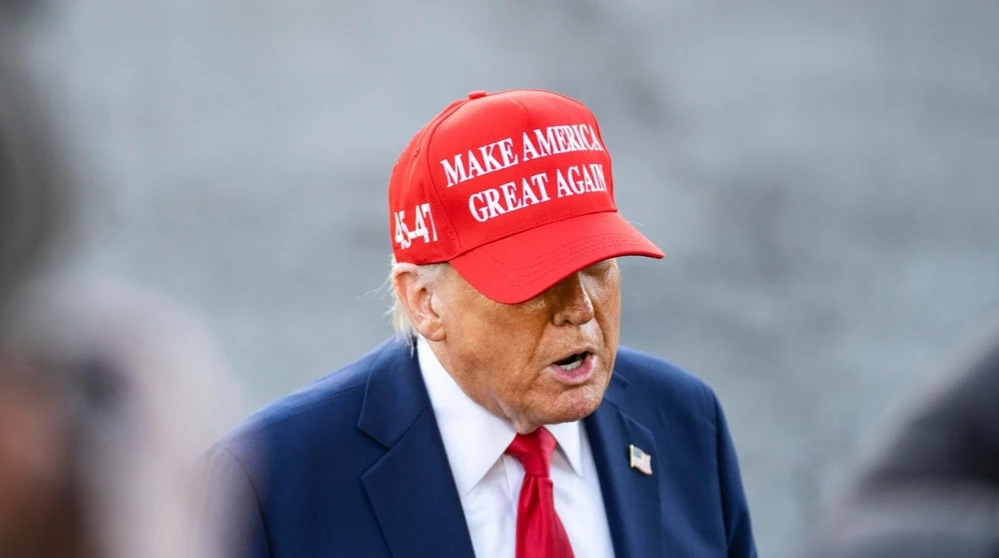
Oil and the dollar rose, bonds fell: Trump rejected Iran's proposal
The U.S. president expects negotiations with Tehran to resume this week

Treasury yields rose, and stock futures fell after Trump rejected Iran's proposals / Photo: Dogora Sun/Shutterstock.com
Oil prices resumed their upward trend after U.S. President Donald Trump rejected Iran’s latest proposal to resume shipping through the Strait of Hormuz. Mark crude rose by nearly 3% at one point, while U.S. WTI rose by nearly 2%. Oil remains a key factor for the markets, as high energy costs are fueling inflationary pressures and reinforcing expectations of further interest rate hikes by the U.S. Federal Reserve (Fed), according to Bloomberg.
Against the backdrop of rising oil prices, the sell-off of U.S. Treasury bonds resumed: the yield on two-year U.S. Treasury bonds rose by five basis points to 4.9%, while the yield on 10-year bonds rose by four basis points to 5.2%.
Stock markets also saw declines. The MSCI Asia Pacific Index (MSCI AC Asia Pacific) fell 0.8%, and Nasdaq 100 futures dropped 0.9%. Gold fell 2.5%, while silver lost 4%.
Against this backdrop, the dollar rose slightly on Monday and strengthened against most major currencies, remaining near a two-month high. The dollar index (DXY), which tracks the dollar’s value against a basket of major currencies, rose to 101.15 and was on track for a 1.7% gain for September—its best monthly performance since June. The euro and the British pound weakened by 0.1% against the U.S. currency.
What Analysts Are Saying
"The U.S. dollar may rise further in the short term if tensions in the energy market persist and inflationary risks continue to mount," said OCBC currency strategist Sim Mo Seong. The bank’s base case scenario still calls for moderate appreciation of the U.S. dollar by the end of the year, according to Reuters.
“Investors were once again disappointed by the lack of diplomatic progress [between the U.S. and Iran],” noted Rajiv De Mello, senior macro portfolio manager at Gama Asset Management. “Hopes that these discussions would help de-escalate the conflict in the Middle East and pave the way for the resumption of shipping through the Strait of Hormuz have been dashed” (quoted from Bloomberg).
The stalemate in the Middle East, “is likely to remain the focus of the market” until the Fed’s preferred inflation measure and the U.S. jobs report are released later this week, noted Prashant Nevnah, senior interest rate strategist at TD Securities. Traders are fully pricing in at least one more 25-basis-point rate hike by the end of the year after the central bank raised borrowing costs this month for the first time since 2023, Bloomberg reports.
“As long as the conflict surrounding Iran persists, markets will face the prospect of higher inflation, rising interest rates, and tighter financial conditions,” emphasized Wei-Sern Ling, managing director of Union Bancaire Privée. “However, investors should look for buying opportunities with a long-term perspective, given the lower valuations at this time, supported by rapid earnings growth driven by AI” (quoted by Bloomberg).
The combination of strong economic growth and high energy prices poses a risk to future inflation expectations, added Ekaterina Bigos, senior market strategist at BNP Paribas Asset Management. “The fact that growth remains robust adds a certain degree of complexity to the path for central banks,” Bigos noted (as quoted by the Financial Times).
This article was AI-translated and verified by a human editor