Oil prices jumped by nearly 10%. The price of Brent crude exceeded $83 per barrel

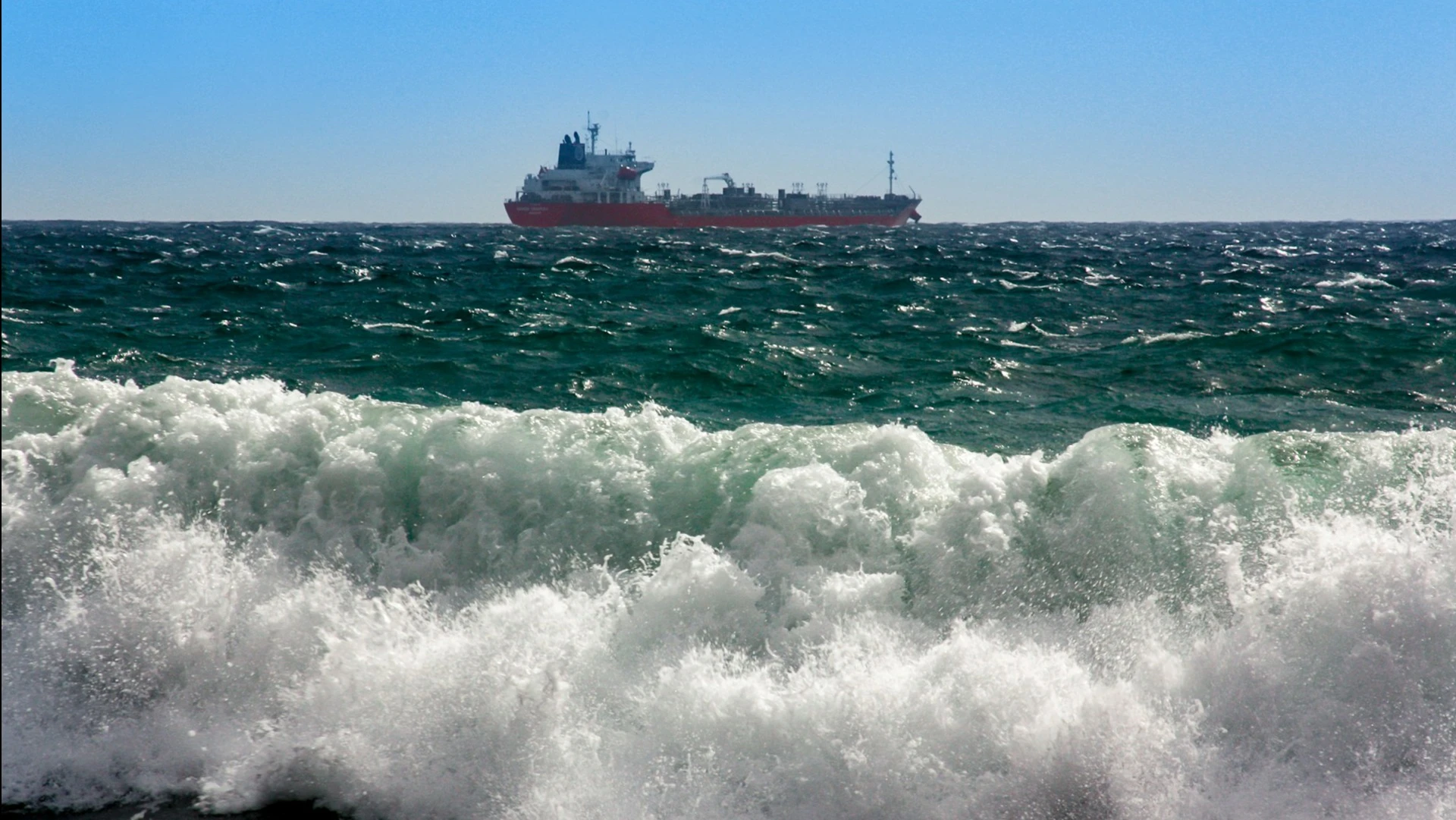
Oil prices surged in response to the escalation in the Strait of Hormuz / Photo: Unsplash/Mauro Shared Pictures
Oil prices jumped nearly 10% on Monday, July 13. Traders rushed to factor in the risk of a new slowdown in shipments through the Strait of Hormuz, according to Bloomberg.
September futures for the benchmark Brent crude rose as much as 9.9% during the day, reaching $83.54 per barrel. According to FactSet, the last time Brent rose above $80 during a trading session was on July 8—after the U.S. struck Iran’s main oil terminal in the Persian Gulf on the island of Khark, Barron’s reports.
U.S. West Texas Intermediate (WTI) futures for August delivery also rose by about 10% at their peak and were trading above $78.4 per barrel.
The market reacted to a statement by U.S. President Donald Trump, who promised to reimpose a blockade on Iranian ships passing through the Strait of Hormuz. Trump assured that the strait would remain open to all other countries. However, he said the U.S. intends to levy a 20% tax on the value of cargo transported through the strait.
Kpler’s MarineTraffic service reported on Monday that the number of commercial vessel transits through the strait over the weekend fell by 52% compared with the previous weekend. Only 12 such passages were recorded on Sunday, according to Barron’s. Before the war began, more than 100 ships crossed this vital waterway every day, the publication notes.
“I think many market participants believe that the current outbreak of hostilities will be temporary,” Helima Croft, head of global commodities strategy at RBC Capital Markets, told Barron’s. “However, we still believe that shipping will not return to pre-war levels in the near future, and that disruptions in the Middle East will persist and hit hardest those countries that lack viable alternative routes.”
On Sunday, Goldman Sachs analysts noted that the rise in oil prices in recent days “shows just how critical supplies through the Strait of Hormuz remain for prices in the short term.” Although various alternative routes exist, including overland pipelines in Saudi Arabia and the UAE, their capacity is insufficient to fully offset the impact of a closure of the strait, Barron’s notes.
This article was AI-translated and verified by a human editor