Oil jumped 4% after the exchange of blows between the U.S. and Iran. What's in the markets?
The slump has hit the stock market in Asia and threatens to spill over to stocks in Europe and the US

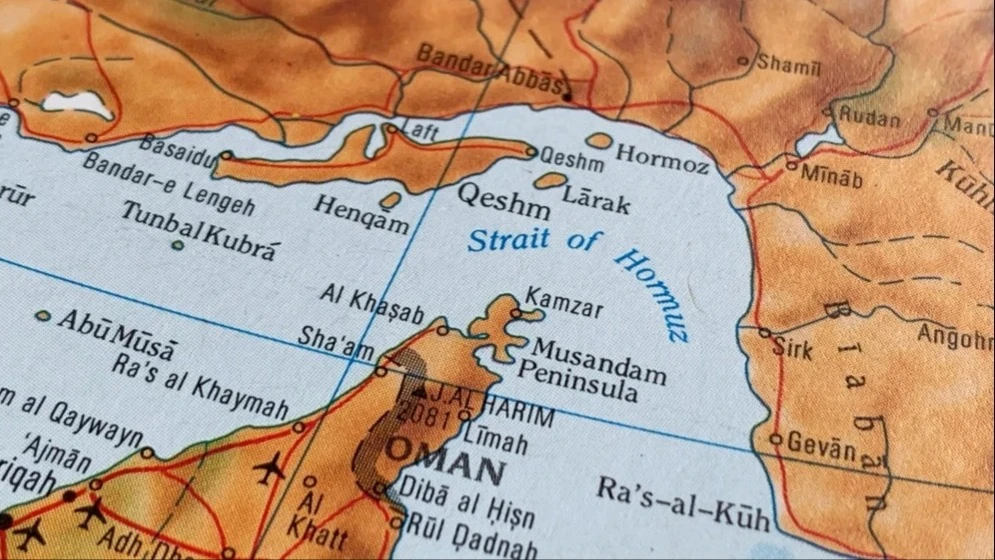
As early as Wednesday, Ma. 27, markets were full of hope that the main oil corridor would soon open / Photo: AustralianCamera/Shutterstock.com
Oil prices rose sharply on Thursday morning, May 28, after a new round of escalation of the military confrontation between the US and Iran: the parties announced mutual strikes. Traders are again concerned that the actual blockage of the Strait of Hormuz, crucial to global energy supplies, will be prolonged. Futures for the international oil benchmark Brent and the main North American grade WTI added 4% each and rose to $98 and $92 per barrel, respectively.
Details
The U.S. military attacked Iran again, shooting down four attack drones for defensive purposes and hitting a ground control center that threatened the passage of ships through the Strait of Hormuz, MS NOW TV (formerly known as MSNBC) reported on the morning of May 28, citing an official in Ma. Iran's Islamic Revolutionary Guard Corps said it retaliated against the U.S. airbase around 4:50 a.m. local time, the semi-official Iranian Tasnim news agency wrote.
"Markets are sitting on pins and needles waiting for this [peace] deal between the U.S. and Iran to materialize," Bloomberg quoted KCM Trade analyst Tim Waterer as saying. - "The latest tit-for-tat strikes are clearly dissonant with claims of successful negotiations. These constant swings are beginning to wear out investors' patience."
What other markets
The MSCI All Country World Index, the broadest gauge of the global equity market, retreated from an all-time high, losing 0.4%. Asian shares slipped 2.1%, breaking a five-day rally fueled by hopes of a peace deal and a booming technology sector. The dynamics of futures indicates that the decline will spill over to the U.S. and European markets, states Bloomberg.
As sentiment worsened, the dollar, the main defensive asset during the Middle East crisis, began to rise. Bonds fell in value as rising oil prices heightened inflation fears and yields on benchmark 10-year treasuries rose. Gold fell nearly 2% to $4370 a troy ounce, and bitcoin led the cryptocurrency market decline.
Context
Shortly before the exchange of blows, Citibank pointed out that the oil market was beginning to feel more confident: there were signs that Washington and Tehran were moving closer to a peace agreement, and investors were increasingly less putting worst-case scenarios of supply disruptions into prices. At the same time, the bank warned that the prolonged rise in oil prices is beginning to develop into broad inflationary pressures, including through indirect effects on the cost of other goods and services - and this forces central banks to take a more "hawkish" position, CNBC reported.
This article was AI-translated and verified by a human editor