OpenAI Catches Up to Anthropic, Deals a Blow to Rival Nebius: Key Takeaways on the IPO Ahead of November 8

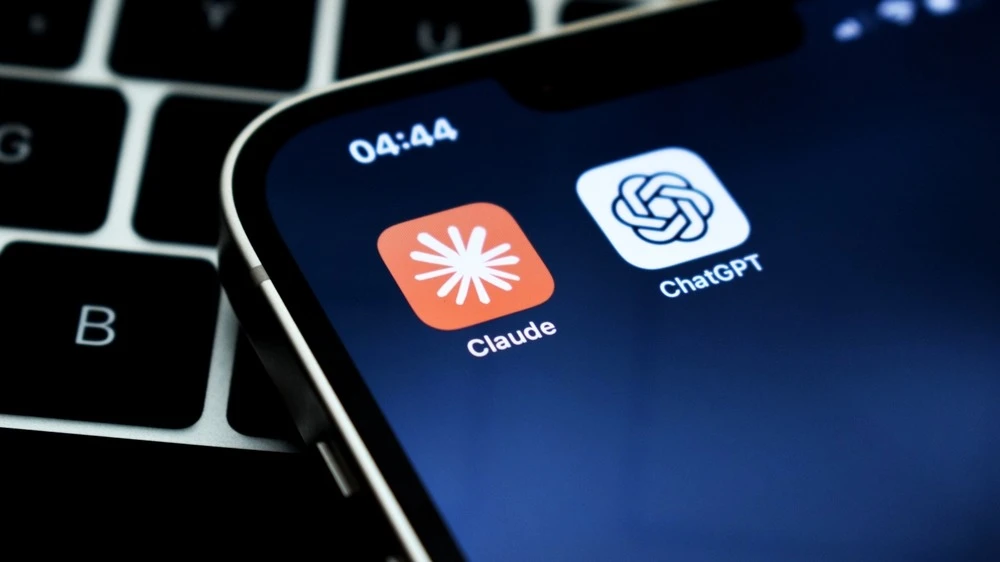
Potential investors in Anthropic have lowered the company's valuation from $2 trillion to $1.2–1.3 trillion, while rival AI lab OpenAI raised funds in a round valued at $1.25 trillion / Photo: miss.cabul / Shutterstock.com
Potential investors in Anthropic have lowered their valuation of the company ahead of its IPO amid a sell-off in tech stocks following the U.S. election. They are now discussing a valuation of $1.2–1.3 trillion, and some expect it to drop to $1.1 trillion, down from the $2 trillion the company itself had hoped for. Meanwhile, rival AI lab OpenAI raised about $11 billion at a valuation of $1.25 trillion as part of a funding round that could total up to $20 billion. Check out our roundup of the week’s top events in the initial public offering (IPO) market.
What is known about future placements
— Potential investors in Anthropic have lowered their valuation of the company ahead of its IPO amid a widespread sell-off of tech stocks following the U.S. election, Bloomberg reported, citing sources. They are now discussing a valuation of $1.2–1.3 trillion, and some are considering a further reduction to $1.1 trillion. Previously, investors had valued the company at $1.4–1.5 trillion, and as recently as late September, the company itself was aiming for a valuation of over $2 trillion. The revision of expectations came after the Nasdaq 100 plummeted 6.4% on November 5, causing the market capitalization of the index’s companies to shrink by a record $2.3 trillion in a single day. According to Reuters, investors also doubt that Anthropic will be able to go public in November.
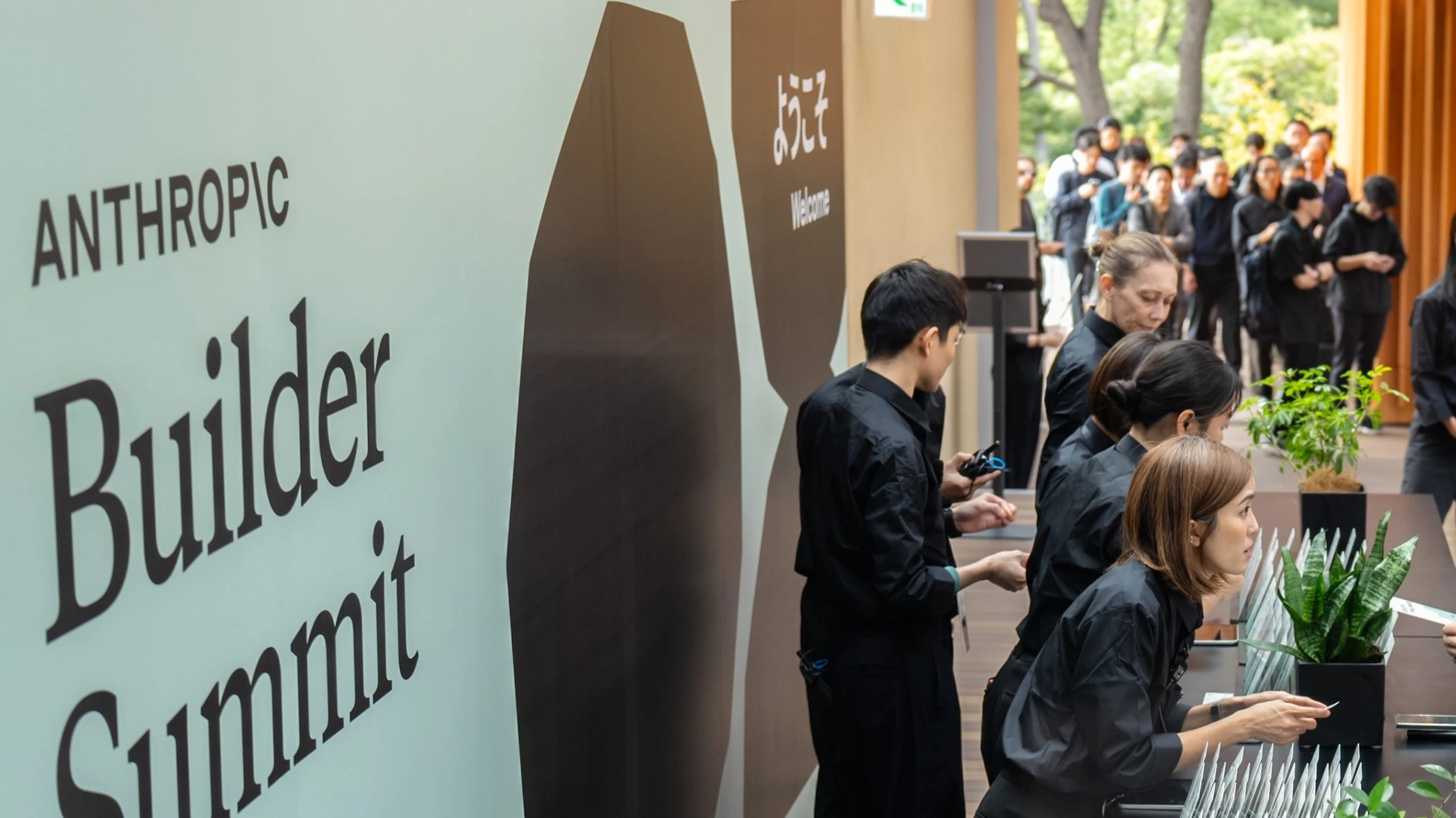
— Meanwhile, OpenAI has raised about $11 billion in the first phase of a new funding round at a valuation of $1.25 trillion, Bloomberg reported, citing sources. The total amount of the round could reach $20 billion, with the company expecting to raise the remainder in the coming weeks. OpenAI had initially planned to raise at least $30 billion at a valuation of $1.4 trillion, but scaled back its plans amid a sell-off of AI company stocks and investor concerns about massive data center expenses. The company is conducting this new funding round following its decision to postpone its IPO until 2027.
— ElevenLabs, a developer of voice AI models, may begin preparations for an IPO in 2028, Bloomberg reported, citing the company’s CEO, Mati Stanishevsky. Founded in 2022, the startup develops technology for voice AI agents used in sales and call centers, as well as for audiobook narration and advertising translation. ElevenLabs recently completed a $300 million employee stock sale, in which the company was valued at $22 billion—twice as much as in February. The company anticipates growing demand for voice-based AI agents for business, but faces competition from Alibaba and U.S. developers, including Fish Audio.
— George Armani’s heirs prefer to take his fashion house public rather than sell it to a major player in the industry, Reuters reported, citing sources. According to the designer’s will, his heirs must sell approximately 15% of the company within 12 to 18 months of his death, and then sell an additional 30% to 54.9% or conduct an IPO within three to eight years. Armani is valued at €5–7 billion. Negotiations regarding the sale of the initial stake by March 2027 are already underway, with L’Oréal and EssilorLuxottica showing the greatest interest. The heirs are considering the possibility of dividing the stake among several investors to maintain flexibility ahead of the IPO.
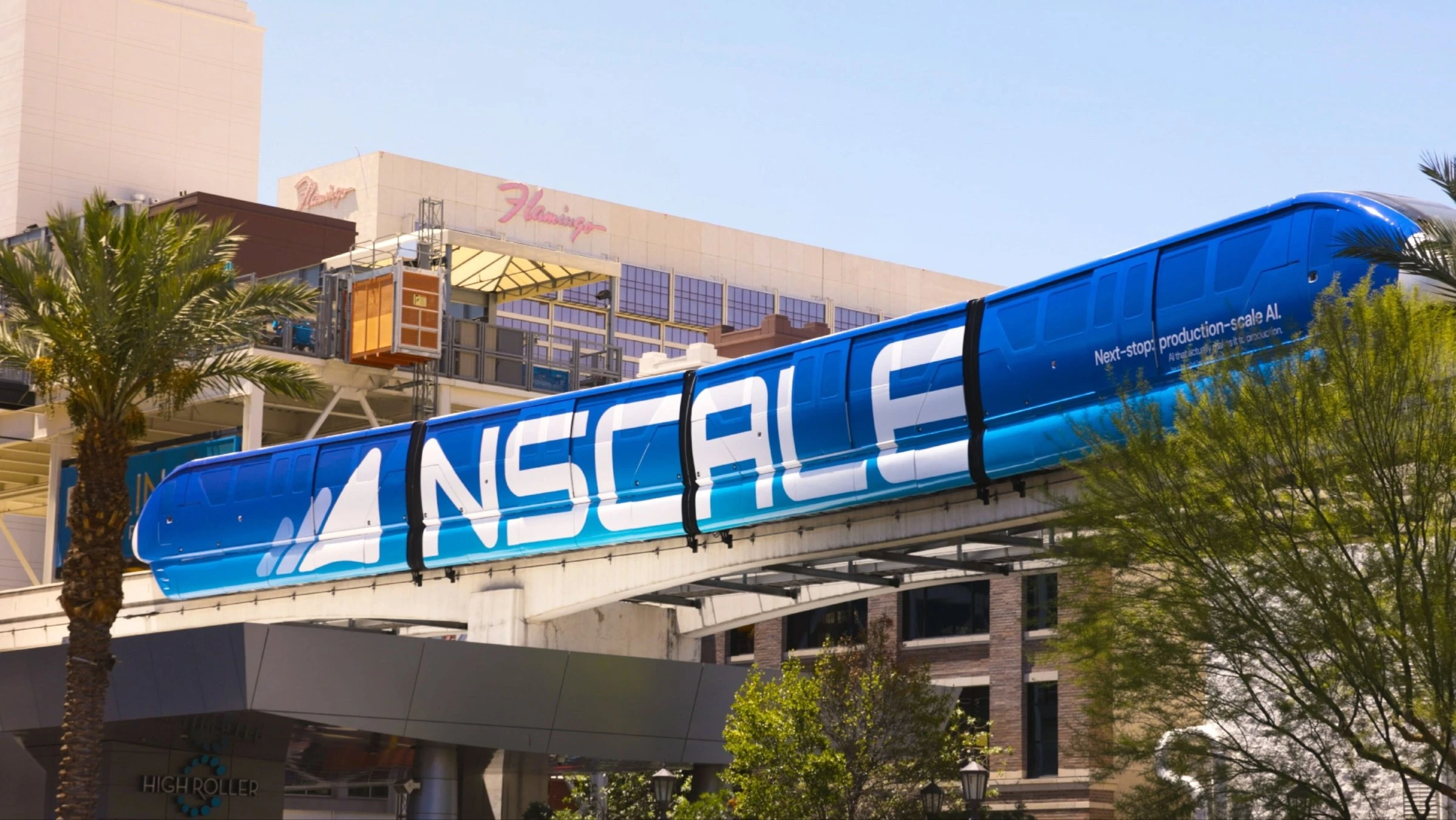
— British AI startup Nscale, which is preparing for an IPO valued at $35 billion, has lost a potential contract with Microsoft worth tens of billions of dollars, according to the Financial Times and Bloomberg, citing sources. Microsoft declined the opportunity to more than double the amount of computing power it leases at a data center in Texas, forcing Nscale to seek new clients. Microsoft had previously also walked away from a $3 billion deal in the United Kingdom, and construction of Nscale’s largest project in West Virginia has faced delays.
— German state-owned energy company Uniper has approved a new dividend policy to boost its appeal to investors ahead of a potential IPO, Reuters reported. The company plans to increase dividends by 7% annually and pay €0.77 per share for 2026, up from €0.72 the previous year. German authorities are considering a partial public offering or the sale of a stake to a strategic or financial investor to reduce their stake in Uniper. The company’s value, including net cash, could reach €14 billion.
— Rohlik, a Czech online grocery retailer, is considering going public, and Prague, previously considered one of the venues for a dual listing, may now become the sole market for the offering, Bloomberg reported, citing the company’s founder and CEO, Tomáš Čupr. A final decision on the IPO has not yet been made. Rohlik, which became the first Czech “unicorn” in 2021, posted positive adjusted EBITDA for the first time in the fiscal year ending in April. The company expects to maintain profitability through automation and is considering expanding into the Polish market, as well as developing its robotics business.
— Swiss dental startup vVardis, whose investors include Apollo Global Management and OrbiMed, plans to raise up to $228.6 million in a U.S. IPO, Bloomberg reported. The company intends to offer 9.524 million shares at a price ranging from $21 to $24 per share, which, at the upper end of the range, corresponds to a valuation of approximately $4.4 billion. vVardis develops treatments for early-stage tooth decay that do not require drilling. Since its launch in the U.S. market in 2024, its Curodont product has been adopted by more than 20,000 dental clinics. In the first half of 2026, the company’s revenue more than tripled to $28.6 million, while its net loss narrowed to $27.8 million. vVardis plans to list its shares on the NYSE under the ticker symbol VVVV.
Who has postponed its IPO?
— Yangtze Memory Technologies, China’s largest manufacturer of NAND flash memory (YMTC), has suspended preparations for a $4.9 billion IPO in Shanghai amid a stock market slump and stricter regulatory requirements, Reuters reported, citing sources and an internal company document. The offering, which could have been the second-largest in Asia this year, was planned for the STAR Market—China’s equivalent of the U.S. Nasdaq exchange. According to the sources, the delay could last several months, and the IPO is now expected to take place in the first half of 2027.
— The $2 billion IPO in Hong Kong of Baidu’s AI chip development unit, Kunlunxin, may be postponed until 2027 due to delays in obtaining approval from Chinese regulators, Bloomberg reported, citing sources. The company filed a confidential registration statement back in January and had expected to receive approval this summer. Kunlunxin develops chips for servers and data centers and is considered one of China’s key manufacturers of AI accelerators, alongside Huawei and Cambricon. Meanwhile, Baidu has dismissed reports of a possible postponement as market rumors.
— OPay, a fintech company backed by SoftBank, has canceled its $304 million U.S. IPO due to an investigation by a regulator in an unnamed country, Reuters reported. The company, whose core business is centered in Nigeria, stated that the investigation concerns a market that is not material to its operations and will not affect its financial performance or operations. Previously, OPay had set the offering price for 16 million American Depositary Shares at $19 per share—the lower end of the announced range—which corresponded to a valuation of approximately $4 billion.
How Did This Week's IPOs Go?
— The $529 million IPO of Dubai-based DIP Holding attracted bids from major investors, including Saudi Arabia’s sovereign wealth fund, PIF, and a Blackstone unit, Bloomberg reported. The offering, the first in the UAE this year, was oversubscribed by about four times. Parent company Dubai Investments sold a 20% stake in DIP at 1.12 dirhams ($0.30) per share, valuing the company at approximately $2.6 billion. DIP owns the 2,300-hectare Dubai Investments Park complex, which includes warehouses, hotels, and commercial real estate. Trading in the shares will begin on November 11.
Other Important News from the World of IPOs
— The Democrats’ victory in the U.S. midterm elections has heightened investors’ concerns about the prospects for IPOs by companies involved in AI infrastructure, according to Bloomberg. The victory of candidates who advocated for restrictions on data center construction could lead to higher costs and delays for new projects. Against this backdrop, shares of cloud providers CoreWeave and Nebius have plummeted by more than 40% over the past month, the agency notes. The sell-off has heightened uncertainty ahead of planned IPOs by Nscale, Aggreko, and SoftBank-backed SB Energy. Investors believe that companies with existing computing infrastructure will have an advantage.
— Companies preparing for an IPO in Hong Kong have begun to disclose investor relationships in greater detail amid tighter regulatory scrutiny, Bloomberg reported. For example, Chinese memory chip manufacturer Hosin Electronics, which plans to raise $156 million, said that up to 42% of the offering could be purchased by strategic investors, including Transsion and Longsys, in whose IPOs Hosin itself had previously participated. The Hong Kong regulator has required investment banks to scrutinize such ties more closely to prevent artificially inflated demand, the agency explains. Jiangsu Xinde Semiconductor has also disclosed similar relationships with investors.
This article was AI-translated and verified by a human editor