Plenty of Oil, but No Gasoline: The IEA Warned That Consumption Will Fall for the First Time Since 2020
If military conflicts continue to disrupt refinery operations, the tight supply of automotive fuel will persist this summer, according to the IEA

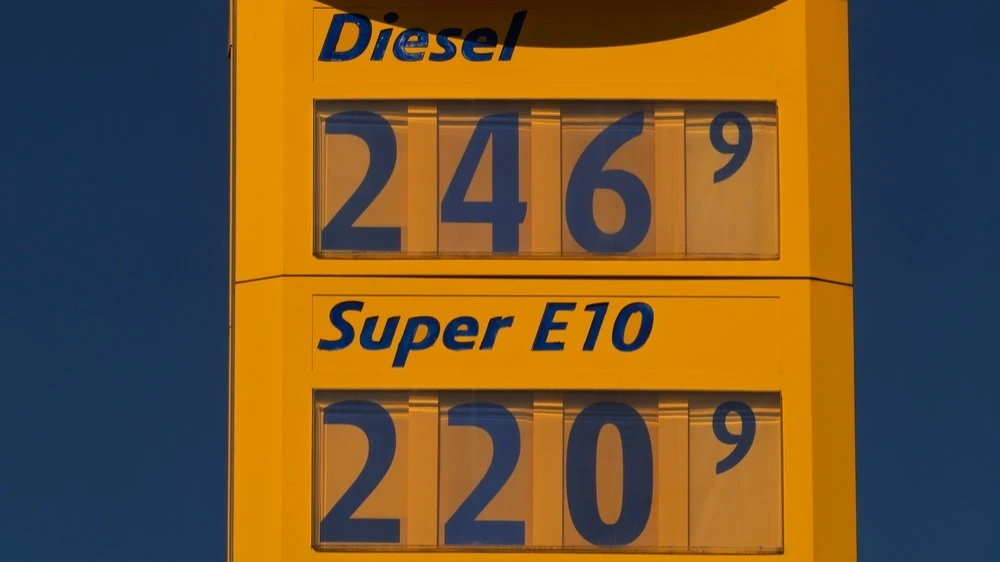
The International Energy Agency has warned of a shortage of gasoline and diesel fuel / Photo: VGV MEDIA/Shutterstock.com
Annual oil consumption is set to decline for the first time since the COVID-19 pandemic, the International Energy Agency (IEA) has warned. Although crude oil supplies on the market have increased, there is a shortage of gasoline and diesel: refineries in the Middle East and Russia are not operating at full capacity due to the wars.
Details
Global oil demand in 2026 will decline by an average of 1 million barrels per day compared to last year, the IEA reported in its July outlook. This will be the first such decline since the pandemic-hit year of 2020, CNBC notes. Consumption is declining “extremely unevenly—both by fuel type and by region,” the IEA noted —the blockade of the Strait of Hormuz, through which 20% of the world’s oil passed, disrupted exports from the Persian Gulf.
In the second quarter, consumption fell by 4.8 million barrels per day; in the third quarter, the IEA expects a decline of 1.7 million; and in the fourth quarter, a return to growth of 1.2 million. Oil supply rose by 4.1 million barrels per day in June thanks to the resumption of shipping through the Strait of Hormuz. Global oil inventories rose last month for the first time since February: the amount of crude on tankers at sea increased so much that it offset the decline in onshore storage facilities, according to The Wall Street Journal.
Where Did the Gas Go?
The IEA warned of gasoline and diesel shortages due to the impact of the wars on refining in the Middle East and Russia, the Financial Times noted. In June, refineries worldwide processed 6 million barrels per day less than a year earlier: Middle Eastern export refineries never resumed operations, Russian refining output fell due to military strikes, and Asian refineries were not operating at full capacity, the IEA noted.
Gasoline consumption remains high, however—governments are taking steps to protect car owners from high prices at the pump. “As a result, withdrawals from commercial stocks have exceeded normal rates,” the FT quotes the IEA report as saying. The agency warned that if this trend continues and wars keep disrupting refinery operations, gasoline supplies will be tight this summer.
Context
On the morning of July 10, oil prices rose slightly but then lost momentum and slipped into negative territory. Brent futures are trading down 0.2%— around $76 per barrel—while West Texas Intermediate futures are trading around $72.
Moscow banned diesel exports this week to address the domestic fuel crisis. Deputy Prime Minister Alexander Novak announced that Russia will begin purchasing petroleum products from abroad in July.
China restricted exports of petroleum products at the very outset of the Iranian crisis. The breakdown of the ceasefire in the Middle East and Russia’s stance mean that Beijing is unlikely to resume exports, the FT notes.
This article was AI-translated and verified by a human editor