Profits at the two leading U.S. oil companies have skyrocketed. They've found a "weak spot."
Without progress on the Strait of Hormuz, prices for petroleum products could rise even further

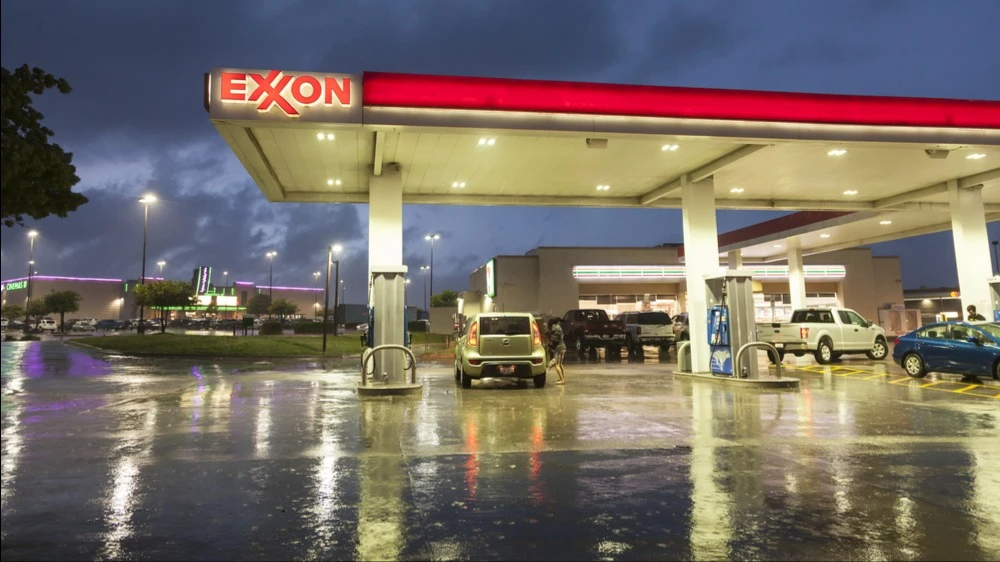
Rising fuel prices threaten to pit U.S. oil giants against Donald Trump / Photo: Philip Lange / Shutterstock.com
Oil giants ExxonMobil and Chevron saw their profits increase significantly last quarter thanks to high oil prices caused by the war in the Middle East. Due to limited capacity for producing, refining, and exporting oil and petroleum products in the Persian Gulf, U.S. companies are operating at full capacity. But their windfall profits are bringing them ever closer to a clash with Donald Trump, who is demanding lower fuel prices.
Details
ExxonMobil and Chevron, the two largest U.S. energy companies, reported a combined profit of $26.5 billion in the second quarter of 2026. ExxonMobil reported a twofold increase in net income compared to the same period last year, reaching $14.5 billion. This is the company’s best result since 2022. Chevron’s net income soared fivefold to $12.2 billion. This is a record for Chevron.
Both companies have increased production to near-record levels, and their refineries are operating at near-maximum capacity to supply gasoline, diesel fuel, and other products to consumers affected by the war in the Middle East, the Financial Times notes.
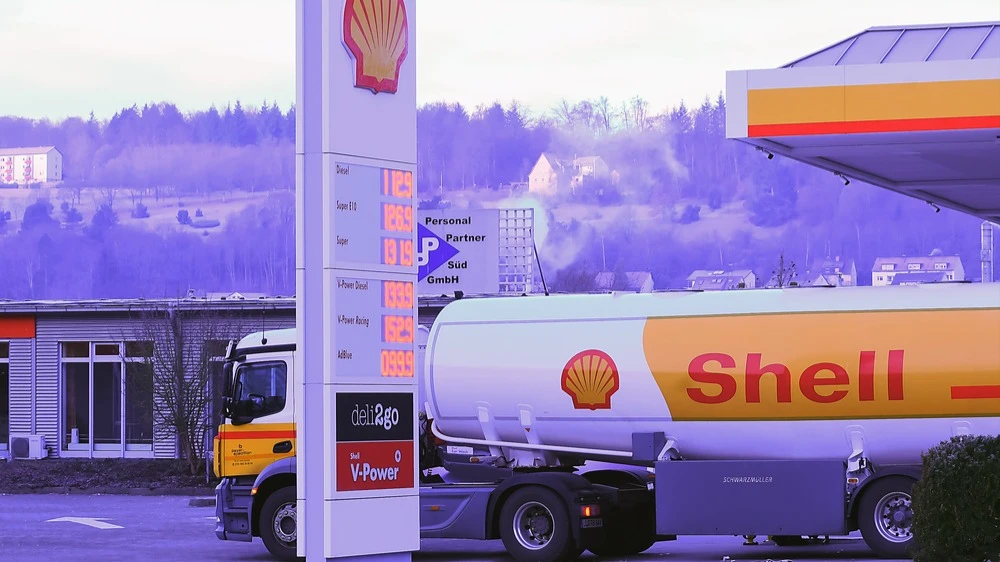
“We’re moving full steam ahead, and that’s a good thing because the world needs it,” Chevron CEO Mike Wirth told CNBC. However, the threat to the oil market is no longer limited to the Strait of Hormuz—through which one-fifth of global supplies passed before the war—the top executive said. “The situation is stressful, and I’m afraid it will remain so. We’re running out of time. With each passing day, the situation is becoming increasingly dire,” he noted.
ExxonMobil’s adjusted earnings of $3.52 per share fell short of analysts’ estimates by 8 cents, CNBC notes. On the other hand, Chevron beat forecasts by 50 cents, earning $6.06 per share, the network added. Revenue for both companies comfortably exceeded Wall Street expectations: $116 billion versus $97.8 billion for ExxonMobil and $70 billion versus $62 billion for Chevron.
How much higher can prices go?
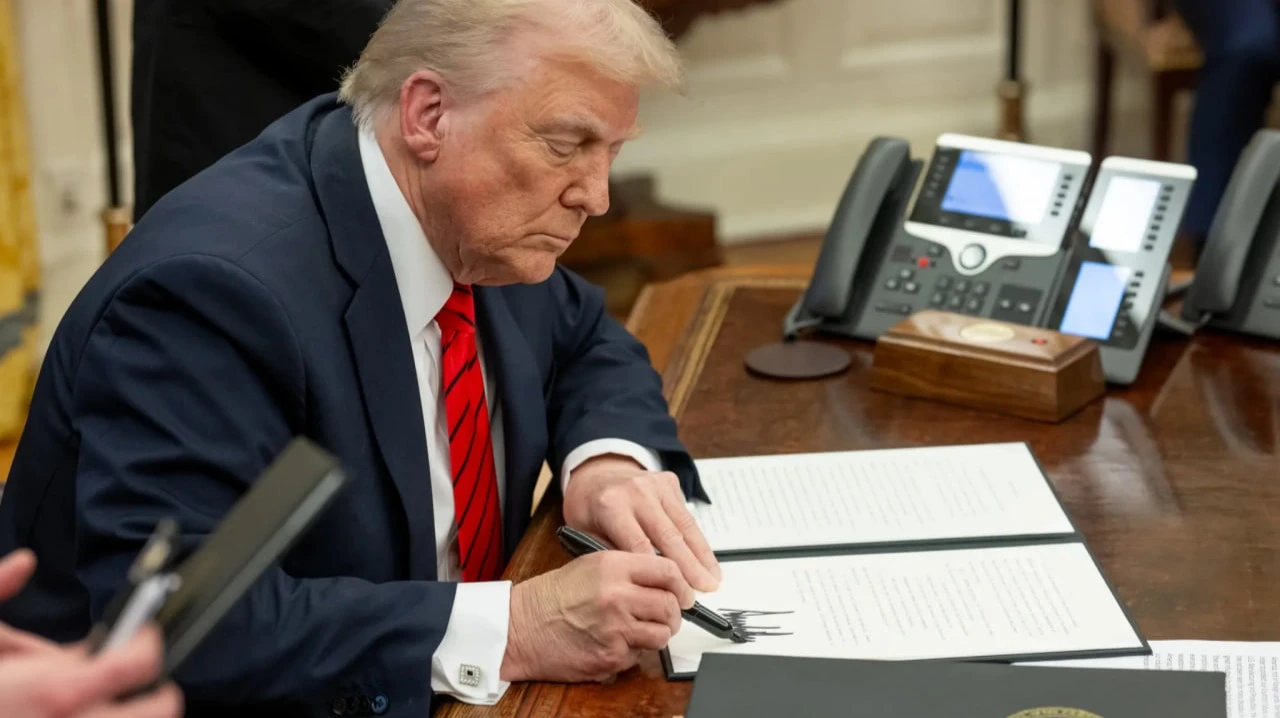
Higher profits driven by rising oil prices will please investors, but at the same time, they are bringing companies closer to a clash with U.S. President Donald Trump, who accuses the industry of inflating prices, according to the FT. High fuel prices in the run-up to the U.S. midterm elections this fall could prompt Trump to resume his attacks on the sector, the newspaper writes.
The price of petroleum products could rise even further if the Strait of Hormuz is closed to tanker traffic, ExxonMobil CFO Neil Hansen told the FT. Ukraine’s strikes on Russian oil refineries and China’s decision not to export petroleum products are also limiting global supplies, he added. The main “pain point” is not crude oil, which is trading within its historical range, but rather petroleum products such as gasoline and diesel, Hansen asserts.
"We haven't seen such a low level of refining capacity in a long time. As a result, we're starting to see a fairly significant increase in profitability," noted ExxonMobil's CFO.
The rise in prices can easily be explained by disruptions in global supply, and profits in the oil sector are still lower than in other sectors, James Viklund, managing director of investment bank PPHB, told the FT. “If you look at return on invested capital (ROIC), which is what really matters, it [for oil companies] is still only one-third of what tech companies are earning,” he noted.
What about the stocks?
ExxonMobil shares fell more than 2.5% after the market opened on July 31, while Chevron shares rose by about 1%.
ExxonMobil's stock has risen by about 30% since the beginning of 2026. Analysts generally recommend holding the stock: there are 17 “Hold” ratings compared to 11 “Buy” and “Overweight” ratings and one “Sell” rating, according to MarketWatch. The average price target of $167.27 is 7% higher than the closing price on Thursday, July 30.
Chevron shares have risen by about 26% since January. Wall Street has taken a more favorable view of the stock: 21 analysts recommend buying, seven recommend holding, and one recommends selling. The average target price of $215.04 is 12% higher than the most recent closing price.
This article was AI-translated and verified by a human editor