Inflation in the eurozone accelerated in July due to rising oil prices. What will happen to interest rates?

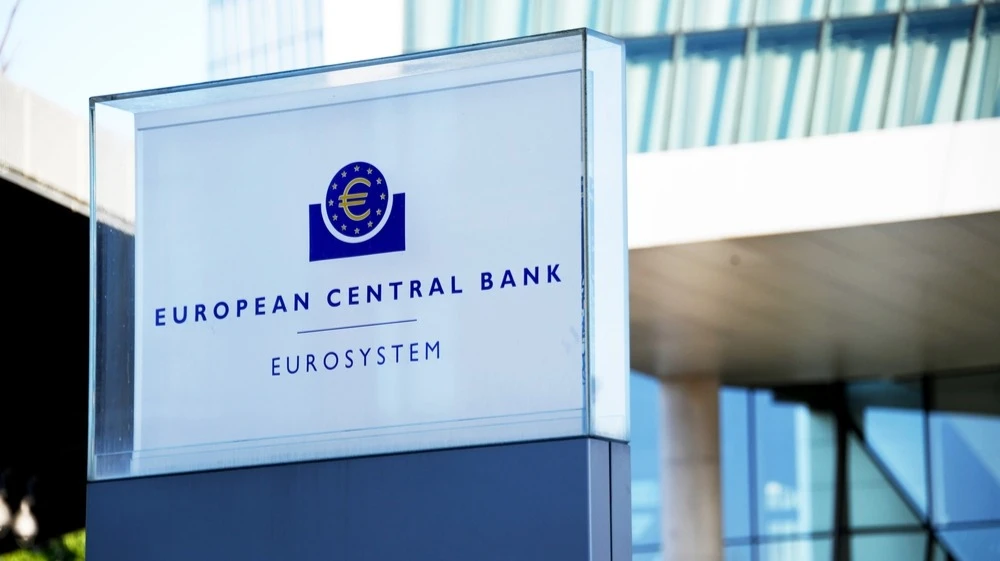
Inflation in the eurozone rose in July amid tit-for-tat strikes between the U.S. and Iran and rising oil prices / Photo: nitpicker / Shutterstock
Inflation in the eurozone accelerated in July following the breakdown of the U.S.-Iran truce, which led to a rise in oil prices. This has reinforced the view that the ECB will have to raise interest rates again, according to Bloomberg.
Details
In July, consumer prices in the EU rose 2.9% year-over-year—up from 2.8% in June—Eurostat announced. The result was in line with the median forecast of economists surveyed by Bloomberg. The estimate was released following a larger-than-expected acceleration in inflation in France and Spain, the agency notes.
Overall, energy prices in the eurozone countries jumped 10% in the month just ended, and inflation also accelerated in the services sector.
The report was released a week after ECB officials paused their key interest rate hikes to assess the impact of the renewed escalation of the conflict in the Middle East on inflation and the region’s economy. The day before, on July 30, the Bank of England also left its interest rate unchanged but stated its readiness to raise it in the event of an escalation of the conflict with Iran.
What's next?
Market participants predict with nearly a 90 percent probability that the ECB will raise rates by a quarter of a percentage point in September, following up on its June move, according to Bloomberg. By that time, ECB officials will have received August inflation data as well as updated forecasts.
Although ECB President Christine Lagarde refrained from making any promises last week, other ECB officials explicitly pointed to further steps regarding monetary policy. For example, ECB Governing Council member Gediminas Šimkus of Lithuania stated that the likelihood of a rate hike is “significantly higher” than the likelihood of maintaining the pause. His Slovak colleague, Peter Kazimir, in turn, noted that, in his view, the ECB will have to raise rates at least one more time, “even if the situation improves somewhat.”
Context
On Wednesday, July 29, the United States launched a new wave of strikes against Iran in response to an attempted attack by the Islamic Revolutionary Guard Corps on U.S. forces in the Middle East. In addition, on July 21, the Iranian-backed Houthis in Yemen threatened to attack any ships traveling to or from Saudi Arabian ports, posing a serious threat to oil exports bypassing the blocked Strait of Hormuz.
The day before, on July 30, Egypt reported a drone attack on ships in a Mediterranean port.
Brent crude oil futures rose 0.6% on July 31 and are trading at $89.5 per barrel. U.S. West Texas Intermediate (WTI) crude oil futures are trading at $84.
This article was AI-translated and verified by a human editor